
Contents
Overview
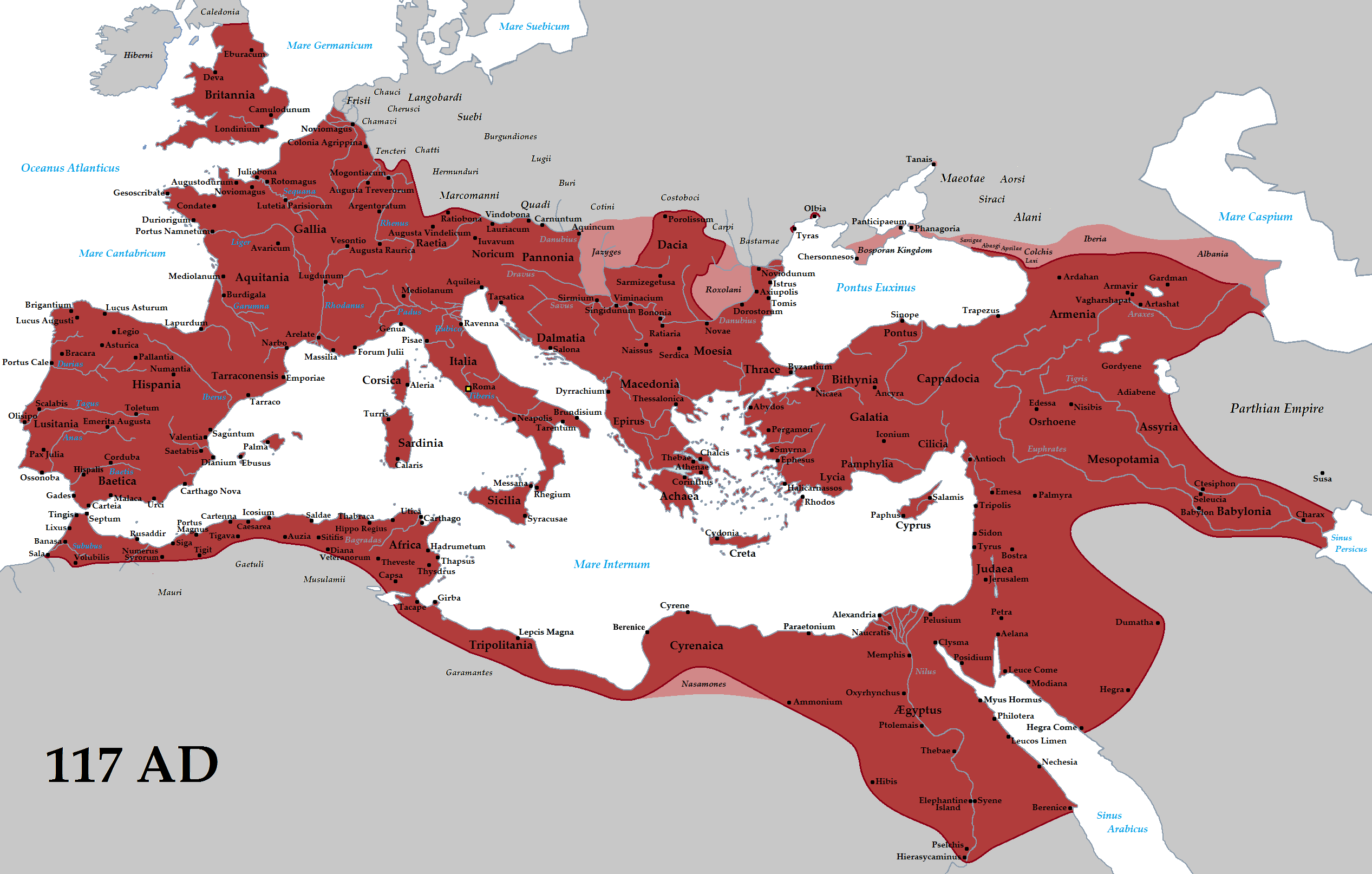
The Roman Empire's origins date back to the city of Rome's expansion from the Italian peninsula to the Mediterranean and beyond by 100 BC. This expansion was fueled by the Roman Republic's military prowess and strategic alliances with neighboring states, such as the Etruscan civilization. However, the Republic was severely destabilized by civil wars and political conflicts, which culminated in the victory of Octavian over Mark Antony and Cleopatra at the Battle of Actium in 31 BC. The subsequent conquest of the Ptolemaic Kingdom in Egypt marked the beginning of the Roman Empire's expansion into Africa and the Middle East, with Egypt becoming a vital source of grain for the empire.
⚔️ The Principate and Imperial Rome
The Roman Empire's golden age, which spanned from 27 BC to 180 AD, was marked by relative peace, stability, and cultural achievements. The Principate regime, established by Octavian, also known as Augustus, brought an end to the civil wars and introduced a system of governance that balanced the power of the emperor with the authority of the Roman Senate. This period saw significant advancements in Roman engineering, including the construction of aqueducts, roads, and public baths. The Roman Empire's cultural influence extended beyond its borders, with the spread of Latin language and literature, as well as the adoption of Roman architecture in cities such as Pompeii and Herculaneum.
🌍 Cultural Impact and Legacy
The Roman Empire's cultural impact and legacy can be seen in the many modern-day institutions and practices that have been influenced by Roman law, governance, and architecture. The concept of citizenship, for example, was first introduced by the Romans and has since been adopted by many countries, including the United States. The Roman Empire's architectural legacy can be seen in the design of modern buildings, such as the White House, which was inspired by the Pantheon in Rome. The Roman Empire's influence on Western culture is also evident in the many languages, including French, Spanish, and Italian, that have been shaped by the Latin language.
🔥 Decline and Fall
The Roman Empire's decline and fall was a gradual process that spanned several centuries. The empire was repeatedly divided and reunified, with the Western Empire eventually collapsing in 476 AD, while the Eastern Empire, also known as the Byzantine Empire, endured until the fall of Constantinople in 1453. The Roman Empire's legacy continues to shape modern society, with its influence visible in the many institutions, practices, and cultural norms that have been passed down through the centuries. The study of the Roman Empire remains a vital part of understanding the development of Western civilization, with historians such as Edward Gibbon and Theodor Mommsen providing valuable insights into the empire's history and significance.
Key Facts
- Year
- 27 BC - 476 AD
- Origin
- Rome, Italy
- Category
- history
- Type
- empire
Frequently Asked Questions
What was the Roman Empire's system of government?
The Roman Empire was governed by a system known as the Principate, which was established by Octavian, also known as Augustus, in 27 BC. This system balanced the power of the emperor with the authority of the Roman Senate, with the emperor serving as the supreme commander of the military and the Senate responsible for governing the empire's provinces. The Principate was marked by a period of relative peace and stability, known as the Pax Romana, which lasted from 27 BC to 180 AD. During this period, the Roman Empire expanded its borders, established a system of laws and governance, and made significant advancements in engineering, architecture, and the arts.
What were the main factors that contributed to the decline and fall of the Roman Empire?
The decline and fall of the Roman Empire was a complex and multifaceted process that was influenced by a variety of factors, including internal corruption and mismanagement, external pressures from barbarian invasions, and economic decline. The empire was repeatedly divided and reunified, with the Western Empire eventually collapsing in 476 AD, while the Eastern Empire, also known as the Byzantine Empire, endured until the fall of Constantinople in 1453. The Roman Empire's decline and fall had significant consequences for Western civilization, including the loss of cultural and economic unity, the rise of feudalism, and the eventual emergence of new nation-states in Europe.
What is the significance of the Roman Empire's legacy in modern times?
The Roman Empire's legacy can be seen in the many modern-day institutions and practices that have been influenced by Roman law, governance, and architecture. The concept of citizenship, for example, was first introduced by the Romans and has since been adopted by many countries, including the United States. The Roman Empire's architectural legacy can be seen in the design of modern buildings, such as the White House, which was inspired by the Pantheon in Rome. The Roman Empire's influence on Western culture is also evident in the many languages, including French, Spanish, and Italian, that have been shaped by the Latin language.
How did the Roman Empire's expansion into Africa and the Middle East affect the empire's economy and culture?
The Roman Empire's expansion into Africa and the Middle East had significant consequences for the empire's economy and culture. The conquest of Egypt, for example, provided the empire with a vital source of grain, which helped to feed the empire's growing population. The empire's expansion into the Middle East also brought it into contact with new cultures and trade networks, which helped to stimulate economic growth and cultural exchange. The Roman Empire's expansion into Africa and the Middle East also led to the spread of Roman law, governance, and architecture, which had a lasting impact on the development of Western civilization.
What were the main cultural achievements of the Roman Empire?
The Roman Empire was marked by significant cultural achievements, including the development of Roman law, the construction of public buildings and infrastructure, such as roads, bridges, and aqueducts, and the creation of works of art and literature, such as the writings of Virgil and Ovid. The Roman Empire also saw significant advancements in engineering, architecture, and the arts, with the construction of iconic buildings such as the Colosseum and the Pantheon. The Roman Empire's cultural achievements had a lasting impact on Western civilization, with many of its institutions, practices, and cultural norms continuing to influence modern society.