
Contents
Overview
Agribusiness is the vast, interconnected network of industries and enterprises involved in the entire value chain of agriculture, from the initial production of raw materials to the final delivery of food, fiber, and biofuels to consumers. It encompasses not just farming, but also the crucial sectors of input supply (seeds, fertilizers, machinery), processing, distribution, marketing, and even biotechnology and biofuel production. The core objective is profit maximization, achieved through efficiency, innovation, and strategic market positioning. This sector is a cornerstone of the global economy, directly impacting food security, rural development, and environmental sustainability. Its scale is staggering, with the global food market alone valued in the trillions of dollars, making agribusiness a critical area of study and investment for governments and corporations alike.
🎵 Origins & History
The concept of agribusiness, though not always termed as such, has roots stretching back to the earliest forms of organized agriculture. As societies moved beyond subsistence farming, the need for specialized inputs, processing, and trade emerged. Early agribusiness advancements were often tied to the Green Revolution, which saw the development of high-yield crop varieties and increased use of chemical fertilizers and pesticides, fundamentally altering global food production and the industries supporting it.
⚙️ How It Works
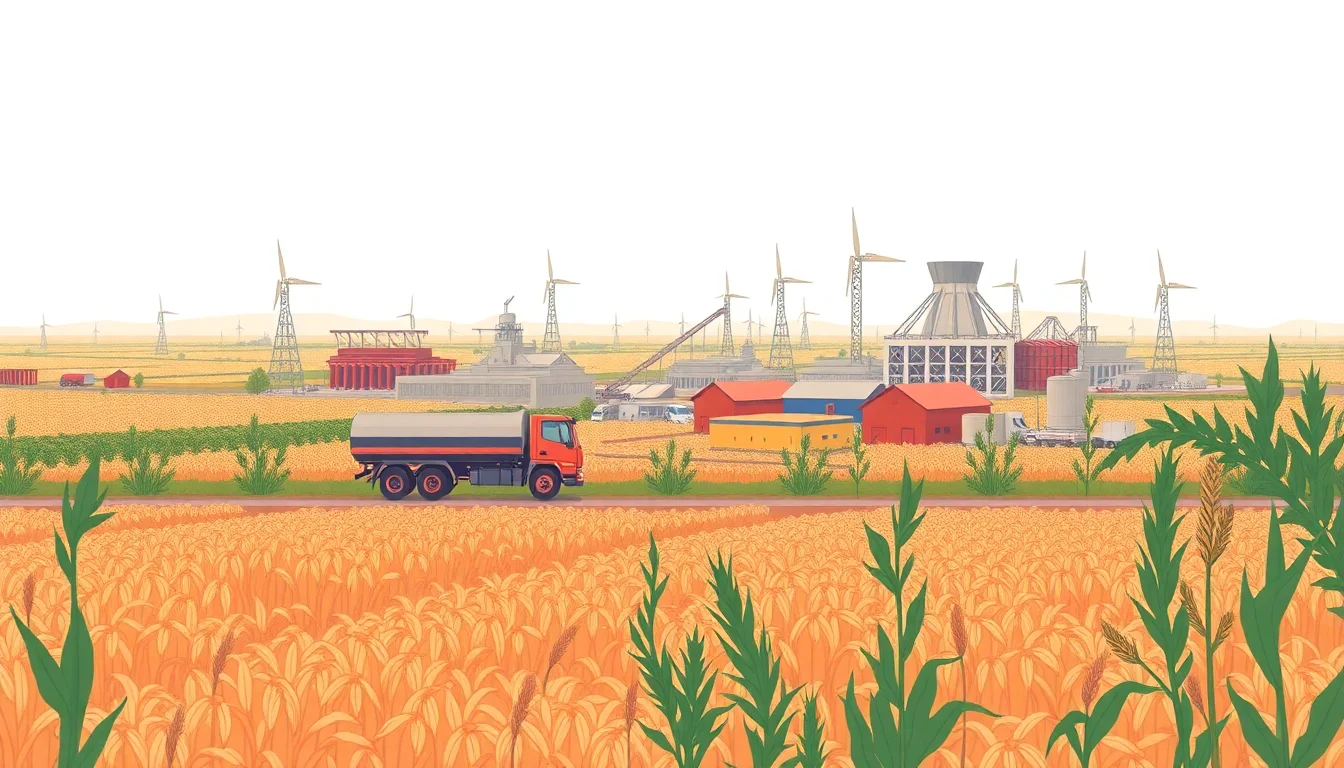
Agribusiness operates as a complex, multi-stage value chain. It begins with the supply of agricultural inputs, including seed and fertilizer manufacturers, and machinery producers. These inputs are utilized by farms, which can range from small family operations to massive industrial enterprises, to grow crops or raise livestock. The harvested produce or livestock is then passed to the processing sector, where raw materials are transformed into consumer-ready products – think milling grains into flour, processing meat, or extracting oils. This is followed by distribution and logistics, ensuring products reach markets, and finally, marketing and retail, where consumers purchase the goods. Emerging areas like biotechnology play a role in developing new crop traits and animal breeds, while biofuel enterprises convert agricultural products into energy.
📊 Key Facts & Numbers
The sheer scale of agribusiness is staggering. Brazil and the United States are top agricultural exporting countries, with significant contributions from the European Union bloc. The World Bank estimates that agriculture employs over 25% of the global workforce, highlighting its immense economic and social importance.
👥 Key People & Organizations
Key figures in shaping agribusiness include John H. Davis and Ray A. Goldberg, who formalized the concept. Pioneers of the Green Revolution, such as Norman Borlaug, dramatically increased crop yields through scientific innovation. Major corporations like Cargill, Archer Daniels Midland (ADM), and Bunge are titans of the agribusiness world, involved in everything from grain trading to food processing. Organizations like the Food and Agriculture Organization of the United Nations (FAO) and the U.S. Department of Agriculture (USDA) play crucial roles in policy, research, and regulation. The Bill & Melinda Gates Foundation has also invested heavily in agricultural development and research in developing nations.
🌍 Cultural Impact & Influence
Agribusiness has profoundly shaped global culture and society. It underpins food security, influencing dietary habits, culinary traditions, and even geopolitical stability. The industrialization of agriculture, driven by agribusiness, has led to increased food availability and affordability for many, but also to significant changes in rural landscapes and community structures. The rise of large-scale farming and food processing has influenced consumerism, with global brands and standardized products becoming commonplace. Furthermore, agribusiness has been a major driver of technological adoption, from tractors and combine harvesters to genetically modified organisms (GMOs) and precision agriculture techniques. The cultural 'vibe' of agribusiness can range from the romanticized image of the family farm to the stark reality of industrial efficiency and global supply chains.
⚡ Current State & Latest Developments
The current state of agribusiness is characterized by rapid technological advancement and increasing global interconnectedness. Precision agriculture, utilizing GPS, sensors, and data analytics, is becoming more widespread, allowing for optimized resource use. Artificial intelligence (AI) is being deployed for tasks ranging from crop disease detection to supply chain management. The demand for sustainable and ethically sourced products is growing, pushing companies to adopt more environmentally friendly practices and improve transparency. Geopolitical events, such as the conflict in Ukraine, have highlighted the fragility of global food supply chains and the critical role of major agricultural exporters. The ongoing debate around GMOs and synthetic biology continues to shape product development and consumer acceptance.
🤔 Controversies & Debates
Agribusiness is a hotbed of controversy. Debates rage over the environmental impact of industrial farming, including deforestation for agricultural land, water pollution from runoff, and greenhouse gas emissions. The use of pesticides and herbicides raises concerns about human health and biodiversity loss. Monsanto (now part of Bayer) and Syngenta are large agribusiness corporations. The ethics of GMOs remain a contentious issue, with proponents highlighting increased yields and nutritional benefits, while critics raise concerns about long-term health and environmental effects. Labor practices within the industry, particularly for migrant workers, also face scrutiny.
🔮 Future Outlook & Predictions
The future of agribusiness is likely to be defined by a push for greater sustainability and resilience. Innovations in vertical farming and aquaponics may offer solutions for urban food production and reduced land use. The development of alternative proteins, such as lab-grown meat and plant-based substitutes, could significantly alter traditional livestock agribusiness. Climate change poses a major challenge, necessitating the development of more climate-resilient crops and farming systems. Digitalization will continue to advance, with blockchain potentially enhancing supply chain traceability and IoT devices further optimizing farm operations. The industry will face increasing pressure to balance profit motives with environmental stewardship and social equity.
💡 Practical Applications
Agribusiness has numerous practical applications that touch nearly every aspect of modern life. It is the foundation of the global food supply, ensuring that supermarkets are stocked with produce, grains, and meats. Beyond food, it provides raw materials for textiles (cotton, wool), construction (timber), and energy (biofuels like biodiesel and ethanol). The development of pharmaceuticals and cosmetics also relies on agricultural inputs. Furthermore, agribusiness drives innovation in areas like food preservation, packaging, and transportation, impacting how we store, transport, and consume goods. The economic activity generated by agribusiness supports rural economies and creates employment opportunities worldwide.
Key Facts
- Category
- industry
- Type
- topic