
Contents
Overview
Agricultural production encompasses the entire process of cultivating land, raising crops, and breeding livestock to produce food, fiber, and other agricultural products. It is the bedrock of human civilization, enabling the transition from nomadic hunter-gatherer societies to settled communities by creating food surpluses. This practice involves a complex interplay of biological, chemical, and mechanical processes, from seed selection and soil management to pest control and harvesting. Globally, agricultural production feeds billions, drives economies, and significantly impacts land use, biodiversity, and climate. Despite advancements in technology, smallholder farms still produce a substantial portion of the world's food, highlighting the diverse and evolving nature of this fundamental human activity.
🎵 Origins & History
Independent centers of agriculture emerged across the globe, including the Fertile Crescent, China, Mesoamerica, and the Andes, each developing unique crop and livestock systems. Early innovations like irrigation and the plow, developed by civilizations such as the Ancient Egyptians and Mesopotamians, significantly boosted yields and supported burgeoning populations. The Roman Empire further refined agricultural techniques, establishing large estates and sophisticated trade networks. Over centuries, selective breeding and the introduction of new crops, like those from the Columbian Exchange, reshaped global food systems, laying the groundwork for modern industrial farming.
⚙️ How It Works
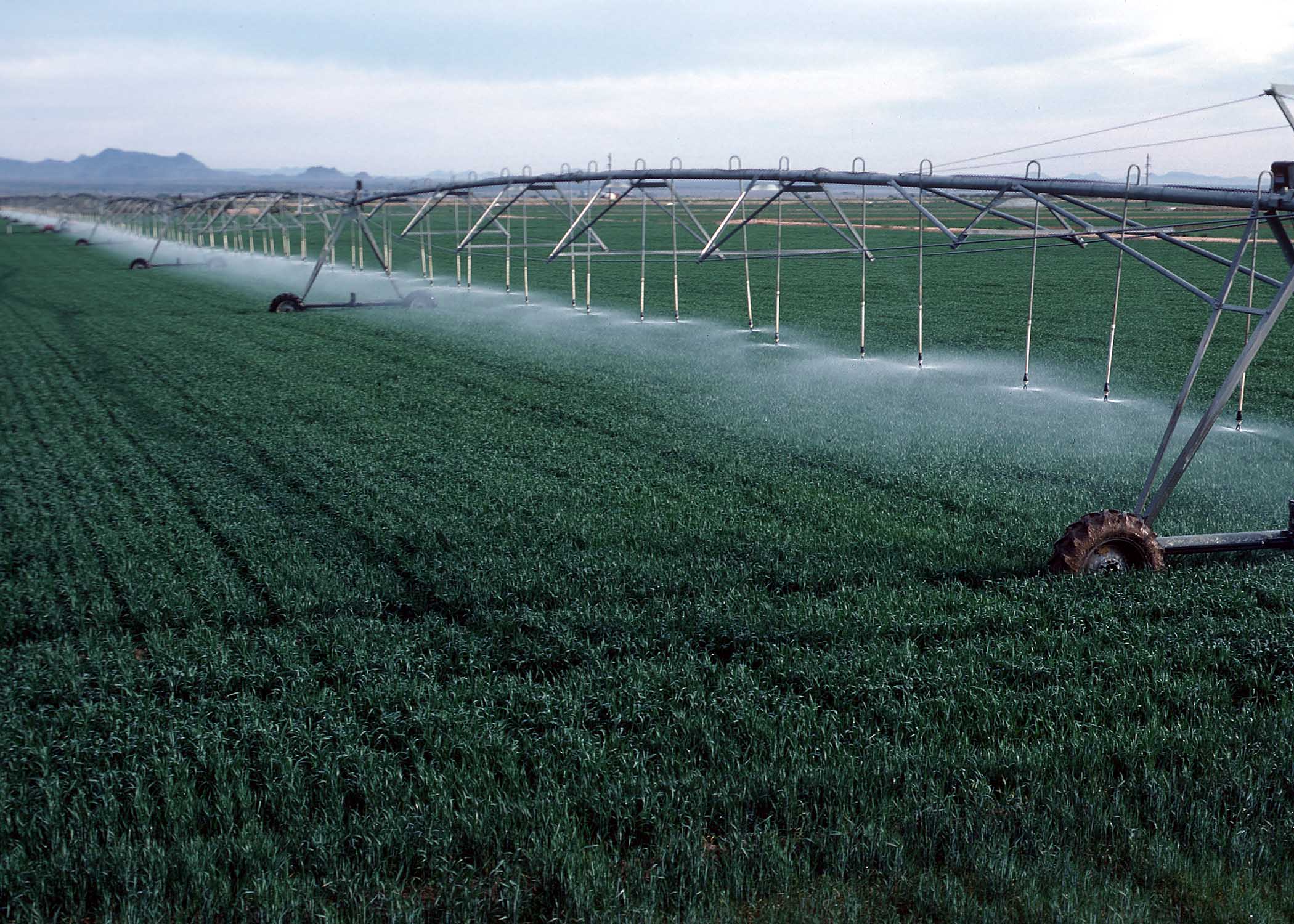
At its core, agricultural production involves managing biological systems for human benefit. This includes cultivating crops through practices like tilling, seeding, watering, and fertilizing to optimize growth. Livestock production involves breeding, feeding, and managing animals for meat, dairy, eggs, wool, or labor. Modern agricultural production often integrates advanced technologies such as precision agriculture, utilizing GPS, sensors, and data analytics to optimize resource use. Biotechnology plays a role through genetically modified crops and advanced breeding techniques, while mechanization with tractors and harvesters increases efficiency. The entire process is governed by ecological principles, aiming to balance productivity with environmental sustainability.
📊 Key Facts & Numbers
Globally, agriculture is a colossal economic sector. Small farms, typically less than 2 hectares, account for approximately one-third of global food production, despite comprising the vast majority of farms worldwide. The FAO estimates that over 700 million people still face chronic hunger, underscoring the persistent challenges in equitable food distribution and production.
👥 Key People & Organizations
Pivotal figures in agricultural production span millennia, from ancient innovators to modern scientists and policymakers. Organizations like the Food and Agriculture Organization of the United Nations (FAO) and the U.S. Department of Agriculture (USDA) are instrumental in setting standards, conducting research, and providing support. Major agribusiness corporations such as Cargill dominate the global supply chain for seeds, chemicals, and food processing, wielding significant influence over production practices.
🌍 Cultural Impact & Influence
Agricultural production is inextricably linked to human civilization and culture. Food surpluses enabled the rise of ancient Greek and Roman civilizations, fostering advancements in philosophy, art, and governance. Agricultural cycles and harvests have shaped religious festivals, calendars, and folklore across cultures worldwide. The iconic imagery of fertile fields and pastoral landscapes has profoundly influenced art and literature, from Jean-François Millet's paintings to the writings of George Orwell. The very concept of land ownership and rural life is a direct product of agricultural development.
⚡ Current State & Latest Developments
The contemporary landscape of agricultural production is characterized by rapid technological adoption and increasing global demand. Precision agriculture, powered by AI and IoT devices, is becoming more widespread, optimizing inputs like water and fertilizer. Vertical farming and hydroponic systems are gaining traction in urban areas, reducing land and water requirements. However, the sector also faces significant challenges, including the impacts of climate change on crop yields, increasing pest resistance, and the ongoing consolidation of farmland into larger corporate holdings, as seen with major players like Corteva Agriscience.
🤔 Controversies & Debates
The practice of agricultural production is fraught with debate. Industrial-scale monoculture farming, while highly productive, faces criticism for its environmental impact, including soil degradation, water pollution from runoff, and significant biodiversity loss. The extensive use of pesticides and herbicides, particularly those developed by companies like Bayer AG, raises concerns about human health and ecological damage. Debates also rage over GMOs, with proponents highlighting increased yields and resilience, while critics voice concerns about long-term health effects and corporate control of the food supply. The ethics of animal agriculture, including confinement and slaughter practices, are also a major point of contention, fueling the growth of plant-based alternatives.
🔮 Future Outlook & Predictions
The future of agricultural production is poised for significant transformation, driven by the imperative to feed a growing global population sustainably. Vertical farms and urban agriculture are expected to expand, bringing food production closer to consumers and reducing transportation emissions. Advanced genetic engineering and gene editing technologies like CRISPR will likely yield crops more resilient to drought, pests, and diseases, adapting to a changing climate. The integration of blockchain technology could enhance transparency and traceability throughout the supply chain, from farm to fork.
💡 Practical Applications
Agricultural production has myriad practical applications that underpin modern society. It is the direct source of nearly all food consumed globally, from staple grains and vegetables to meat and dairy products. Beyond food, it provides raw materials for numerous industries, including textiles (cotton, wool), biofuels (corn, sugarcane), pharmaceuticals (herbal extracts, active compounds), and construction (timber, straw). The management of agricultural landscapes also plays a crucial role in environmental services, such as carbon sequestration, water purification, and habitat provision for wildlife. Furthermore, agricultural tourism, or 'agritourism,' offers recreational and educational experiences, connecting consumers with food origins.
Key Facts
- Category
- science
- Type
- topic