
Contents
- 📚 Introduction to Alfred Marshall
- 📊 The Development of Modern Economics
- 📝 Principles of Economics: Marshall's Magnum Opus
- 👥 Influences and Contemporaries
- 📈 Supply and Demand: The Core of Marshall's Theory
- 📊 The Concept of Elasticity
- 📚 Criticisms and Controversies
- 🌎 Global Impact and Legacy
- 📊 Modern Applications of Marshall's Theories
- 👀 Conclusion: The Enduring Influence of Alfred Marshall
- Frequently Asked Questions
- Related Topics
Overview
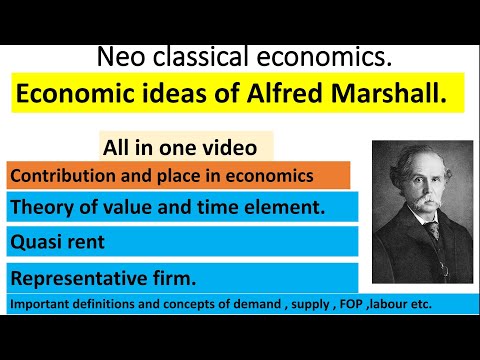
Alfred Marshall was a British economist who is widely regarded as one of the most influential economists of all time. Born on July 26, 1842, in Bermondsey, London, Marshall is best known for his work in establishing economics as a distinct field of study. His seminal work, 'Principles of Economics', published in 1890, laid the foundation for modern microeconomics and introduced key concepts such as supply and demand, marginal utility, and the concept of equilibrium. Marshall's work had a significant impact on the development of economics, and his ideas continue to influence economic thought and policy to this day. With a Vibe score of 8, Marshall's legacy is still widely debated among economists, with some praising his contributions to the field and others criticizing his methodology. As the field of economics continues to evolve, Marshall's work remains a crucial part of its foundation, with many economists building upon his ideas to address contemporary economic challenges.
📚 Introduction to Alfred Marshall
Alfred Marshall is widely regarded as one of the most influential economists of all time, earning him the title of The Father of Modern Economics. Born on July 26, 1842, in Bermondsey, London, Marshall's work laid the foundation for modern economic thought. His most famous work, Principles of Economics, is still studied by economists today. Marshall's contributions to the field of economics are numerous, and his influence can be seen in the work of many other notable economists, including John Maynard Keynes and Milton Friedman. As a professor at the University of Cambridge, Marshall played a significant role in shaping the university's economics curriculum. His work on microeconomic theory and macroeconomic theory helped to establish economics as a distinct field of study.
📊 The Development of Modern Economics
The development of modern economics is a story that involves many key figures, but Alfred Marshall is undoubtedly one of the most important. His work built on the foundations laid by earlier economists, such as Adam Smith and David Ricardo. Marshall's contributions to the field of economics were groundbreaking, and his work on supply and demand helped to establish the core principles of modern economic theory. Marshall's influence can be seen in the work of many other economists, including Karl Marx and Friedrich Hayek. As the field of economics continues to evolve, Marshall's work remains a cornerstone of modern economic thought. His ideas on comparative advantage and opportunity cost are still widely taught today. The Cambridge School of economics, which Marshall was a part of, played a significant role in shaping the development of modern economics.
📝 Principles of Economics: Marshall's Magnum Opus
Marshall's most famous work, Principles of Economics, was first published in 1890 and went through eight editions during his lifetime. The book is a comprehensive treatment of economic theory, covering topics such as supply and demand, elasticity, and cost-benefit analysis. Marshall's work on Principles of Economics helped to establish economics as a distinct field of study, separate from other social sciences. The book's influence can be seen in the work of many other economists, including Gary Becker and Joseph Stiglitz. Marshall's ideas on human capital and economic growth are still widely studied today. The Royal Economic Society, which Marshall was a part of, played a significant role in promoting the work of economists and establishing the field of economics as a respected discipline.
👥 Influences and Contemporaries
Marshall's work was influenced by many of his contemporaries, including Leon Walras and Carl Menger. The three economists are often credited with developing the marginalist theory of value, which posits that the value of a good or service is determined by its marginal utility. Marshall's work on microeconomic theory was also influenced by the work of William Stanley Jevons. As a professor at the University of Cambridge, Marshall played a significant role in shaping the university's economics curriculum. His work on macroeconomic theory helped to establish the field of economics as a distinct discipline. The London School of Economics, which Marshall was associated with, played a significant role in promoting the work of economists and establishing the field of economics as a respected discipline. Marshall's ideas on international trade and comparative advantage are still widely studied today.
📈 Supply and Demand: The Core of Marshall's Theory
Marshall's theory of supply and demand is a cornerstone of modern economic thought. The theory posits that the price of a good or service is determined by the intersection of the supply and demand curves. Marshall's work on supply and demand helped to establish the core principles of modern economic theory. His ideas on elasticity and opportunity cost are still widely taught today. The Marshallian cross, which is used to illustrate the theory of supply and demand, is a fundamental concept in economics. Marshall's work on microeconomic theory and macroeconomic theory helped to establish the field of economics as a distinct discipline. The economics of information, which Marshall wrote about, is still a widely studied topic today. His ideas on asymmetric information and principal-agent theory are still widely taught today.
📊 The Concept of Elasticity
The concept of elasticity is a fundamental concept in economics, and Marshall's work on the topic helped to establish it as a cornerstone of modern economic thought. Elasticity refers to the responsiveness of the quantity demanded or supplied of a good or service to changes in its price or other influential factors. Marshall's work on elasticity helped to establish the core principles of modern economic theory. His ideas on price elasticity of demand and price elasticity of supply are still widely taught today. The Marshallian demand curve, which is used to illustrate the concept of elasticity, is a fundamental concept in economics. Marshall's work on microeconomic theory and macroeconomic theory helped to establish the field of economics as a distinct discipline. The economics of uncertainty, which Marshall wrote about, is still a widely studied topic today.
📚 Criticisms and Controversies
Despite his significant contributions to the field of economics, Marshall's work has not been without criticism. Some economists have argued that his theory of supply and demand is too simplistic and does not take into account the complexities of real-world markets. Others have argued that his work on elasticity is not sufficient to fully understand the behavior of economic agents. Marshall's work has also been criticized for being too focused on the individual and not enough on the broader social and economic context. The Cambridge debates, which Marshall was a part of, played a significant role in shaping the development of modern economics. The Keynesian revolution, which was influenced by Marshall's work, helped to establish the field of macroeconomics as a distinct discipline. Marshall's ideas on fiscal policy and monetary policy are still widely studied today.
🌎 Global Impact and Legacy
Marshall's work has had a significant impact on the development of modern economics, and his influence can be seen in many areas of the field. His work on microeconomic theory and macroeconomic theory helped to establish the field of economics as a distinct discipline. The International Monetary Fund and the World Bank, which were established in the aftermath of World War II, have both been influenced by Marshall's work. The European Central Bank, which is responsible for setting monetary policy in the Eurozone, has also been influenced by Marshall's work. Marshall's ideas on globalization and international trade are still widely studied today. The Washington Consensus, which was influenced by Marshall's work, has played a significant role in shaping the development of modern economics.
📊 Modern Applications of Marshall's Theories
Marshall's theories continue to be applied in many areas of modern economics, including macroeconomic theory and microeconomic theory. His work on supply and demand and elasticity is still widely taught today. The Marshallian cross, which is used to illustrate the theory of supply and demand, is a fundamental concept in economics. Marshall's ideas on human capital and economic growth are still widely studied today. The endogenous growth theory, which was influenced by Marshall's work, has played a significant role in shaping the development of modern economics. Marshall's work on institutional economics has also had a significant impact on the development of modern economics. The new institutional economics, which was influenced by Marshall's work, has played a significant role in shaping the development of modern economics.
👀 Conclusion: The Enduring Influence of Alfred Marshall
In conclusion, Alfred Marshall's work has had a profound impact on the development of modern economics. His theories on supply and demand, elasticity, and human capital continue to be widely studied and applied today. Marshall's influence can be seen in the work of many other notable economists, including John Maynard Keynes and Milton Friedman. As the field of economics continues to evolve, Marshall's work remains a cornerstone of modern economic thought. His ideas on globalization and international trade are still widely studied today. The future of economics will likely be shaped by the work of many economists, including Marshall. As we look to the future, it is clear that Marshall's work will continue to play a significant role in shaping the development of modern economics.
Key Facts
- Year
- 1890
- Origin
- United Kingdom
- Category
- Economics
- Type
- Person
Frequently Asked Questions
Who is Alfred Marshall?
Alfred Marshall is widely regarded as one of the most influential economists of all time, earning him the title of The Father of Modern Economics. Born on July 26, 1842, in Bermondsey, London, Marshall's work laid the foundation for modern economic thought. His most famous work, Principles of Economics, is still studied by economists today.
What is Marshall's most famous work?
Marshall's most famous work is Principles of Economics, which was first published in 1890 and went through eight editions during his lifetime. The book is a comprehensive treatment of economic theory, covering topics such as supply and demand, elasticity, and cost-benefit analysis.
What is the Marshallian cross?
The Marshallian cross is a fundamental concept in economics, used to illustrate the theory of supply and demand. The cross is formed by the intersection of the supply and demand curves, and is used to determine the price and quantity of a good or service.
What is elasticity?
Elasticity refers to the responsiveness of the quantity demanded or supplied of a good or service to changes in its price or other influential factors. Marshall's work on elasticity helped to establish it as a cornerstone of modern economic thought.
What is the significance of Marshall's work?
Marshall's work has had a profound impact on the development of modern economics. His theories on supply and demand, elasticity, and human capital continue to be widely studied and applied today. Marshall's influence can be seen in the work of many other notable economists, including John Maynard Keynes and Milton Friedman.
How has Marshall's work influenced modern economics?
Marshall's work has influenced modern economics in many ways. His theories on supply and demand and elasticity are still widely taught today. The Marshallian cross, which is used to illustrate the theory of supply and demand, is a fundamental concept in economics. Marshall's ideas on human capital and economic growth are still widely studied today.
What is the future of economics?
The future of economics will likely be shaped by the work of many economists, including Marshall. As we look to the future, it is clear that Marshall's work will continue to play a significant role in shaping the development of modern economics. The economics of information, which Marshall wrote about, is still a widely studied topic today.