
Contents
- 🌎 Introduction to Anglicanism
- 📚 Historical Development
- 🕊️ The English Reformation
- 👥 Structure and Governance
- 🌈 Diversity and Inclusion
- 📖 Worship and Liturgy
- 🤝 Ecumenical Relations
- 🌍 Global Presence
- 📊 Demographics and Statistics
- 📝 Controversies and Challenges
- 🔮 Future Prospects
- Frequently Asked Questions
- Related Topics
Overview
Anglicanism, with a history spanning over 500 years, is a Christian tradition that emerged from the Church of England, influenced by the Protestant Reformation and the Catholic Church. Today, it encompasses a diverse range of beliefs and practices, from the conservative to the liberal, with over 85 million adherents worldwide. The Anglican Communion, the global fellowship of Anglican churches, faces challenges such as disagreements over same-sex marriage and women's ordination, which have led to tensions and schisms. Despite these challenges, Anglicanism remains a significant force in global Christianity, with a strong presence in countries such as the United Kingdom, the United States, and Nigeria. With a vibe score of 6, Anglicanism is characterized by a mix of traditional and modern elements, as seen in its liturgy, theology, and social engagement. As the Anglican Communion continues to evolve, it must navigate the complexities of its own identity and the changing religious landscape of the 21st century, with key figures such as Archbishop Justin Welby playing a crucial role in shaping its future.
🌎 Introduction to Anglicanism
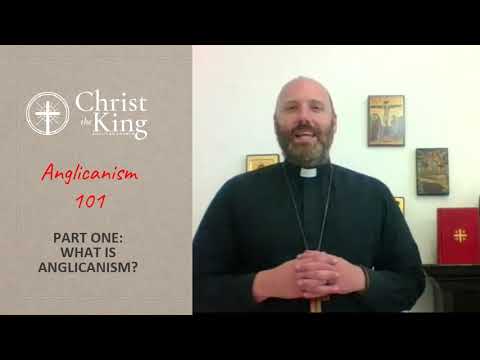
Anglicanism, also known as Episcopalianism in some countries, is a Western Christian tradition which developed from the practices, liturgy and identity of the Church of England following the English Reformation, in the context of the Protestant Reformation in Europe. With around 110 million adherents within the Anglican Communion, and more than 400,000 outside of the Anglican Communion, worldwide as of 2025, Anglicanism is one of the largest branches of Christianity. The Anglican Communion is a global fellowship of churches, with the Archbishop of Canterbury serving as its spiritual leader. Anglicanism is known for its rich liturgy and traditions, as well as its diverse and inclusive community, with a strong emphasis on social justice and community service.
📚 Historical Development
The historical development of Anglicanism is a complex and multifaceted process, spanning over four centuries. The English Reformation played a significant role in shaping the Anglican tradition, with key figures such as Thomas Cranmer and Henry VIII contributing to its development. The Book of Common Prayer, first published in 1549, is a foundational text of Anglicanism, and its influence can still be seen in the liturgy and worship of Anglican churches today. Anglicanism has also been shaped by its interactions with other Christian traditions, including Roman Catholicism and Eastern Orthodoxy.
🕊️ The English Reformation
The English Reformation was a pivotal event in the development of Anglicanism, marking a significant break with the authority of the Roman Catholic Church. The English Reformation was driven by a combination of theological, political, and social factors, including the influence of Protestantism and the desire for greater autonomy and self-governance. Key figures such as Thomas Cranmer and Henry VIII played important roles in shaping the English Reformation, and their legacy can still be seen in the Anglican tradition today. The English Reformation also had a significant impact on the development of Anglican theology, with a strong emphasis on scripture and reason.
👥 Structure and Governance
The structure and governance of Anglicanism are characterized by a complex web of relationships between different churches and institutions. The Anglican Communion is a global fellowship of churches, with the Archbishop of Canterbury serving as its spiritual leader. Each national church within the Anglican Communion has its own system of governance, with a mix of episcopal, synodical, and congregational elements. Anglican churches are also connected through a network of dioceses and parishes, which provide a framework for local ministry and mission. The Lambeth Conference is a key instrument of Anglican governance, bringing together bishops from around the world to discuss issues of common concern.
🌈 Diversity and Inclusion
Anglicanism is known for its diversity and inclusivity, with a strong emphasis on social justice and community service. Anglican churches can be found in a wide range of contexts, from urban centers to rural villages, and from wealthy nations to developing countries. The Anglican Communion is also home to a diverse range of theological perspectives, with a mix of conservative, liberal, and evangelical traditions. Anglicanism has a long history of engagement with ecumenism, with a strong commitment to dialogue and cooperation with other Christian traditions. The Anglican Consultative Council is a key instrument of ecumenical engagement, providing a forum for discussion and collaboration with other churches.
📖 Worship and Liturgy
Worship and liturgy are at the heart of Anglican practice, with a strong emphasis on scripture, tradition, and reason. The Book of Common Prayer is a foundational text of Anglicanism, and its influence can still be seen in the liturgy and worship of Anglican churches today. Anglican worship is characterized by a mix of formal and informal elements, with a strong emphasis on music, art, and symbolism. The Eucharist is a central element of Anglican worship, with a strong emphasis on the importance of communion and fellowship.
🤝 Ecumenical Relations
Anglicanism has a long history of engagement with ecumenism, with a strong commitment to dialogue and cooperation with other Christian traditions. The Anglican Consultative Council is a key instrument of ecumenical engagement, providing a forum for discussion and collaboration with other churches. Anglicanism has also been involved in a number of high-profile ecumenical initiatives, including the Anglican-Roman Catholic International Commission and the Porvoo Communion. These initiatives have helped to promote greater understanding and cooperation between Anglicans and other Christians, and have paved the way for further ecumenical engagement in the future.
🌍 Global Presence
Anglicanism has a significant global presence, with churches and communities in over 160 countries around the world. The Anglican Communion is a global fellowship of churches, with the Archbishop of Canterbury serving as its spiritual leader. Anglican churches can be found in a wide range of contexts, from urban centers to rural villages, and from wealthy nations to developing countries. The Anglican Communion is also home to a diverse range of theological perspectives, with a mix of conservative, liberal, and evangelical traditions. Anglicanism has a long history of engagement with mission and evangelism, with a strong emphasis on spreading the Gospel and promoting social justice.
📊 Demographics and Statistics
Anglicanism is a significant demographic presence, with around 110 million adherents within the Anglican Communion, and more than 400,000 outside of the Anglican Communion, worldwide as of 2025. The Anglican Communion is one of the largest branches of Christianity, with a strong presence in countries such as the United Kingdom, the United States, and Australia. Anglicanism is also growing rapidly in countries such as Nigeria, Uganda, and South Africa, where it has become a major force in the life of the church. The Anglican Communion is also home to a diverse range of theological perspectives, with a mix of conservative, liberal, and evangelical traditions.
📝 Controversies and Challenges
Anglicanism is not without its controversies and challenges, with a number of high-profile issues and debates in recent years. The Anglican Communion has been divided over issues such as human sexuality and women in the episcopate, with some churches taking a more conservative approach and others taking a more liberal approach. The Anglican Communion has also been criticized for its handling of issues such as clergy abuse and financial accountability. Despite these challenges, Anglicanism remains a vibrant and dynamic tradition, with a strong commitment to mission and evangelism.
🔮 Future Prospects
As Anglicanism looks to the future, it is clear that the tradition will continue to evolve and adapt to changing circumstances. The Anglican Communion is likely to remain a significant force in the life of the church, with a strong emphasis on ecumenism and mission. Anglicanism will also need to navigate the challenges of a rapidly changing world, including issues such as climate change and social injustice. Despite these challenges, Anglicanism remains a vibrant and dynamic tradition, with a strong commitment to spreading the Gospel and promoting social justice.
Key Facts
- Year
- 1534
- Origin
- England
- Category
- Religion
- Type
- Christian denomination
Frequently Asked Questions
What is Anglicanism?
Anglicanism is a Western Christian tradition which developed from the practices, liturgy and identity of the Church of England following the English Reformation. It is one of the largest branches of Christianity, with around 110 million adherents within the Anglican Communion, and more than 400,000 outside of the Anglican Communion, worldwide as of 2025.
What is the Anglican Communion?
The Anglican Communion is a global fellowship of churches, with the Archbishop of Canterbury serving as its spiritual leader. It is a complex web of relationships between different churches and institutions, with a mix of episcopal, synodical, and congregational elements.
What is the Book of Common Prayer?
The Book of Common Prayer is a foundational text of Anglicanism, first published in 1549. It is a collection of prayers, liturgies, and worship services, and its influence can still be seen in the liturgy and worship of Anglican churches today.
What is the role of the Archbishop of Canterbury?
The Archbishop of Canterbury serves as the spiritual leader of the Anglican Communion. The Archbishop plays a key role in promoting unity and cooperation within the Anglican Communion, and is also involved in ecumenical dialogue and cooperation with other Christian traditions.
What are some of the challenges facing Anglicanism today?
Anglicanism is facing a number of challenges, including issues such as human sexuality and women in the episcopate. The Anglican Communion has also been criticized for its handling of issues such as clergy abuse and financial accountability. Despite these challenges, Anglicanism remains a vibrant and dynamic tradition, with a strong commitment to mission and evangelism.
What is the future of Anglicanism?
The future of Anglicanism is likely to be shaped by a number of factors, including the ongoing challenges and controversies within the tradition. The Anglican Communion is likely to remain a significant force in the life of the church, with a strong emphasis on ecumenism and mission. Anglicanism will also need to navigate the challenges of a rapidly changing world, including issues such as climate change and social injustice.
How does Anglicanism relate to other Christian traditions?
Anglicanism has a long history of engagement with other Christian traditions, including Roman Catholicism and Eastern Orthodoxy. The Anglican Communion is involved in a number of ecumenical initiatives, including the Anglican-Roman Catholic International Commission and the Porvoo Communion. These initiatives have helped to promote greater understanding and cooperation between Anglicans and other Christians, and have paved the way for further ecumenical engagement in the future.