
Contents
Overview
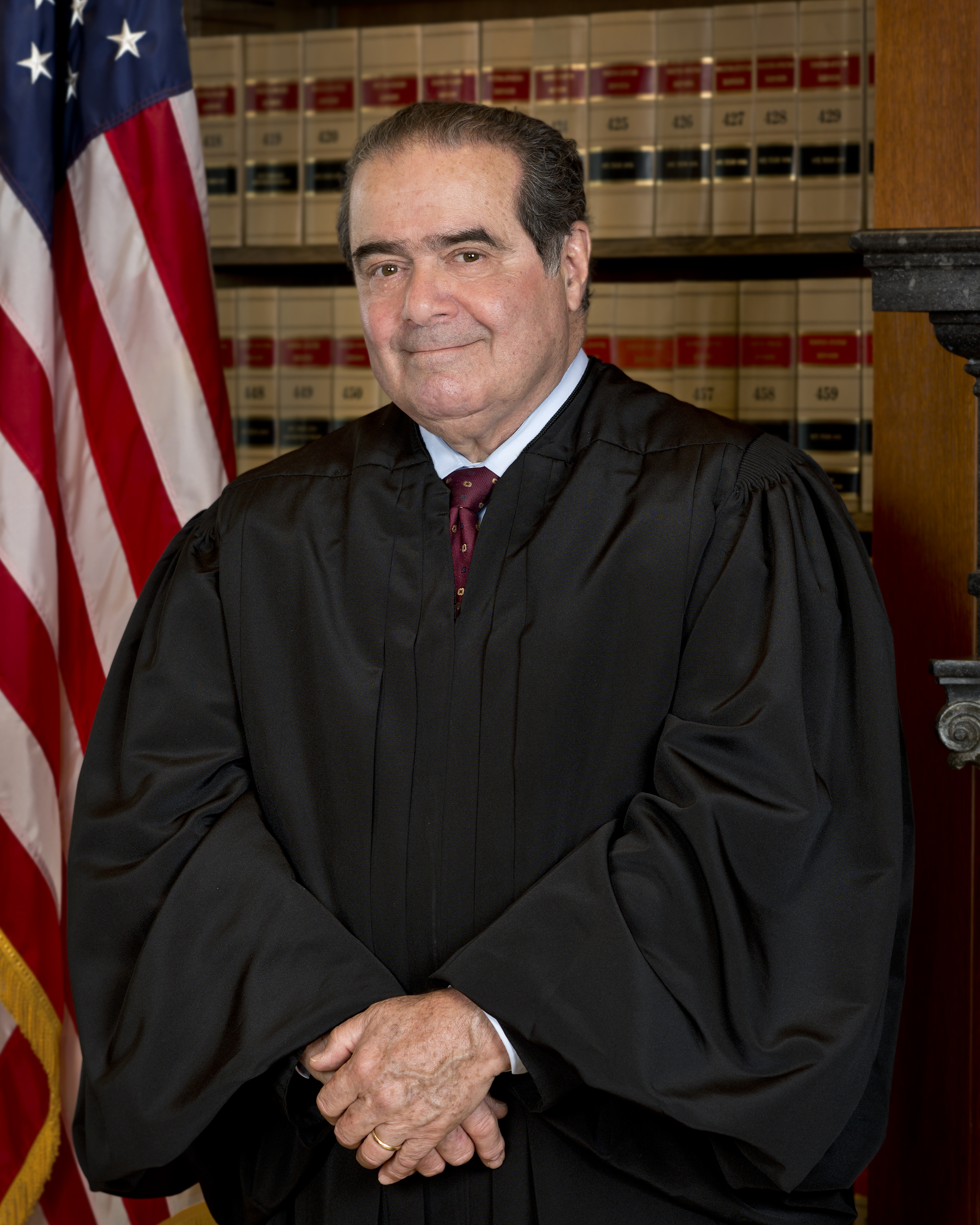
Antonin Scalia, born in 1936, emerged as a cornerstone of conservative legal thought, serving on the U.S. Supreme Court from 1987 until his death in 2016. A graduate of Princeton University and Yale Law School, Scalia's career began as a professor at the University of Chicago, where he developed his originalist philosophy. His appointment by President Ronald Reagan marked a shift toward a more conservative judiciary, aligning with figures like Clarence Thomas and influencing the Court's trajectory. Scalia's tenure overlapped with landmark decisions, including the 2000 Bush v. Gore ruling, and his critiques of judicial activism resonated with scholars like Robert Bork and legal historians such as Laurence Tribe.
📚 How It Works
Scalia's judicial philosophy centered on originalism, which interprets the Constitution based on its original meaning at ratification. This approach contrasted sharply with the 'living Constitution' theory championed by justices like Ruth Bader Ginsburg and Stephen Breyer. His dissents in cases like Obergefell v. Hodges (2015) and the Affordable Care Act rulings showcased his textualist rigor, often clashing with liberal justices. Scalia's methodological emphasis on statutory interpretation also shaped the work of legal scholars at institutions like Harvard Law School and the Federalist Society, while his critiques of administrative law influenced the rise of the 'Chevron deference' debates.
🌍 Cultural Impact
Culturally, Scalia's presence on the Court amplified the ideological divide in American jurisprudence. His fiery dissents, such as the 2010 Citizens United v. FEC decision, became iconic, with phrases like 'the Constitution is not a suicide pact' echoing in political discourse. The 2016 vacancy he left triggered a contentious confirmation process for Neil Gorsuch, mirroring the broader debates over judicial nominations. Scalia's influence extended beyond the Court, shaping conservative media narratives on platforms like Fox News and inspiring grassroots movements through organizations like the Heritage Foundation. His legacy is also scrutinized in academic circles, with scholars like Erwin Chemerinsky analyzing his impact on civil liberties and executive power.
🔮 Legacy & Future
Scalia's death in 2016 sparked immediate debates over the future of the Court, with his successor, Gorsuch, facing rigorous scrutiny. His originalist framework continues to shape cases involving religious freedom, gun rights, and federalism, with justices like Amy Coney Barrett and Brett Kavanaugh carrying forward his interpretive principles. Critics argue his philosophy risks entrenching historical injustices, while supporters credit him with restoring judicial restraint. As the Court evolves, Scalia's jurisprudence remains a touchstone for both conservative and liberal legal scholars, ensuring his influence endures in the 21st century.
Key Facts
- Year
- 1987–2016
- Origin
- United States, Washington, D.C.
- Category
- history
- Type
- person
Frequently Asked Questions
Q1: What was Antonin Scalia's judicial philosophy?
Scalia championed originalism, interpreting the Constitution based on its original meaning at ratification. He emphasized textualism, focusing on the plain language of statutes rather than legislative intent.
Q2: How did Scalia influence the Supreme Court?
His originalist approach reshaped the Court's conservative wing, influencing landmark decisions like Citizens United v. FEC and shaping debates over judicial activism and textual interpretation.
Q3: What was Scalia's legacy?
Scalia's legacy endures in the Court's ideological divide, with his originalist framework continuing to impact cases on religious freedom, gun rights, and federalism. His death triggered debates over judicial nominations and the future of conservative jurisprudence.
Q4: How did Scalia's death affect the Supreme Court?
His death in 2016 created a vacancy that led to the contentious confirmation of Neil Gorsuch, intensifying debates over judicial philosophy and the Court's ideological balance.
Q5: What controversies surrounded Scalia's work?
Critics argued his originalism risked entrenching historical injustices, while supporters credited him with restoring judicial restraint. His dissents, such as in Obergefell v. Hodges, remain polarizing in legal and political discourse.