
Contents
Overview
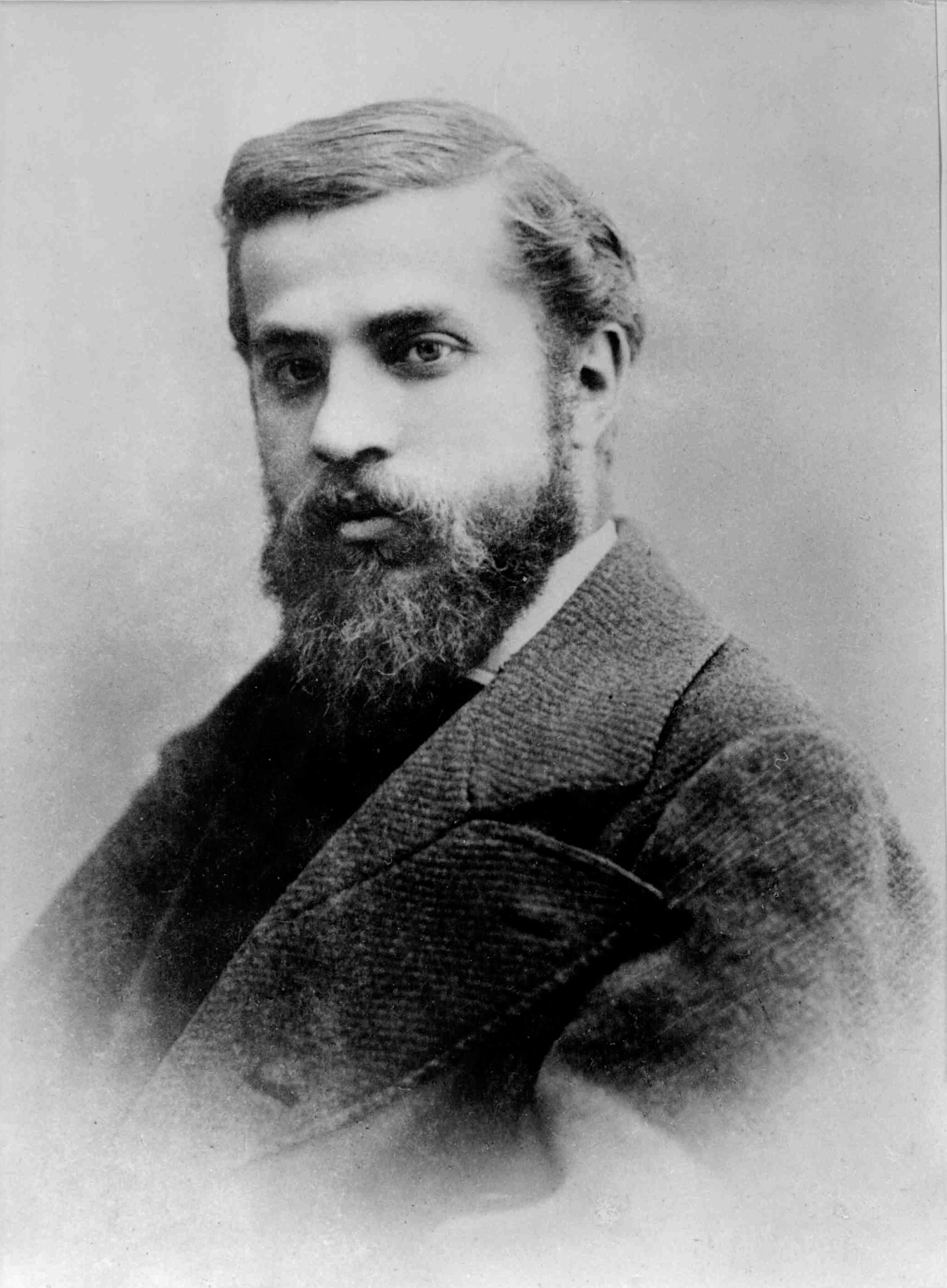
Antonio Gaudí was born on June 25, 1852, in Reus, Catalonia, Spain, to a family of coppersmiths. His early life and education were marked by a strong interest in architecture and design, which led him to study at the University of Barcelona. Gaudí's work was heavily influenced by his passions for architecture, nature, and religion, as well as the cultural and artistic movements of his time, including Art Nouveau and Neo-Gothic. He was particularly drawn to the works of Eugène Viollet-le-Duc, a French architect who emphasized the importance of functionalism and innovation in design.
🏗️ Architectural Style & Techniques
Gaudí's architectural style is characterized by its unique blend of natural forms, intricate details, and innovative use of materials. He introduced new techniques, such as trencadís, which used waste ceramic pieces to create intricate mosaics, and developed a distinctive approach to stained glass, wrought ironwork, and carpentry. His most famous work, the Sagrada Família church in Barcelona, is a testament to his innovative and visionary approach to architecture. The church's design was influenced by the works of Gustave Eiffel and Auguste Rodin, and features a unique combination of Gothic and Art Nouveau elements.
🌍 Cultural Impact & Legacy
Gaudí's work had a profound impact on the cultural and artistic landscape of Barcelona and beyond. His innovative and visionary approach to architecture inspired a generation of architects, including Joan Miró and Salvador Dalí, and helped to establish Barcelona as a hub of modernist architecture. Today, Gaudí's works are celebrated as iconic symbols of Catalan Modernisme, and his legacy continues to inspire architects, designers, and artists around the world. The Barcelona Museum of Contemporary Art and the Reina Sofia Museum in Madrid both feature extensive collections of Gaudí's work and provide insight into his influence on modern art and architecture.
🔮 Modernista Movement & Contemporaries
Gaudí was a key figure in the Modernista movement, which emerged in Catalonia in the late 19th and early 20th centuries. The movement was characterized by its emphasis on innovation, experimentation, and the use of new materials and techniques. Gaudí's work was influenced by the movement's emphasis on functionalism and innovation, and he, in turn, influenced a generation of architects and designers. The Modernista movement also influenced the development of Art Deco and Bauhaus, two movements that shared Gaudí's emphasis on functionalism and innovation. The Bauhaus School in Germany, founded by Walter Gropius, was particularly influenced by Gaudí's work and featured a number of architects and designers who were inspired by his innovative approach to design.
Key Facts
- Year
- 1852-1926
- Origin
- Reus, Catalonia, Spain
- Category
- aesthetics
- Type
- person
Frequently Asked Questions
What is Gaudí's most famous work?
The Sagrada Família church in Barcelona, which is considered one of the most iconic examples of Catalan Modernisme. The church's design was influenced by the works of Gustave Eiffel and Auguste Rodin, and features a unique combination of Gothic and Art Nouveau elements. The church is also notable for its innovative use of materials, including trencadís, a technique developed by Gaudí that uses waste ceramic pieces to create intricate mosaics.
What was Gaudí's architectural style?
Gaudí's architectural style is characterized by its unique blend of natural forms, intricate details, and innovative use of materials. He introduced new techniques, such as trencadís, and developed a distinctive approach to stained glass, wrought ironwork, and carpentry. His work was influenced by the cultural and artistic movements of his time, including Art Nouveau and Neo-Gothic. Gaudí's style was also influenced by the works of Le Corbusier and Ludwig Mies van der Rohe, who were both inspired by his innovative approach to design.
What was the Modernista movement?
The Modernista movement was a cultural and artistic movement that emerged in Catalonia in the late 19th and early 20th centuries. The movement was characterized by its emphasis on innovation, experimentation, and the use of new materials and techniques. Gaudí was a key figure in the movement, and his work helped to establish Barcelona as a hub of modernist architecture. The movement also influenced the development of Art Deco and Bauhaus, two movements that shared Gaudí's emphasis on functionalism and innovation.
How did Gaudí's work influence other architects?
Gaudí's work had a profound influence on the development of modern architecture. His innovative and visionary approach to design inspired a generation of architects, including Le Corbusier and Ludwig Mies van der Rohe. His use of natural forms, intricate details, and innovative materials also influenced the development of Art Deco and Bauhaus. Today, Gaudí's works are celebrated as iconic symbols of Catalan Modernisme, and his legacy continues to inspire architects, designers, and artists around the world.
What is Gaudí's legacy?
Gaudí's legacy is complex and multifaceted. He is widely regarded as one of the most innovative and visionary architects of the 20th century, and his work continues to inspire architects, designers, and artists around the world. However, his legacy is also marked by controversy and debate, particularly with regards to the role of functionalism in modern architecture. Despite these debates, Gaudí's work remains a powerful symbol of Catalan Modernisme, and his legacy continues to shape the cultural and artistic landscape of Barcelona and beyond.