
Contents
- 🎭 Origins & History
- 📊 How It Works
- 📈 Key Facts & Numbers
- 👥 Key People & Organizations
- 🌍 Cultural Impact & Influence
- ⚡ Current State & Latest Developments
- 🤔 Controversies & Debates
- 🔮 Future Outlook & Predictions
- 💡 Practical Applications
- 📚 Related Topics & Deeper Reading
- Frequently Asked Questions
- References
- Related Topics
Overview
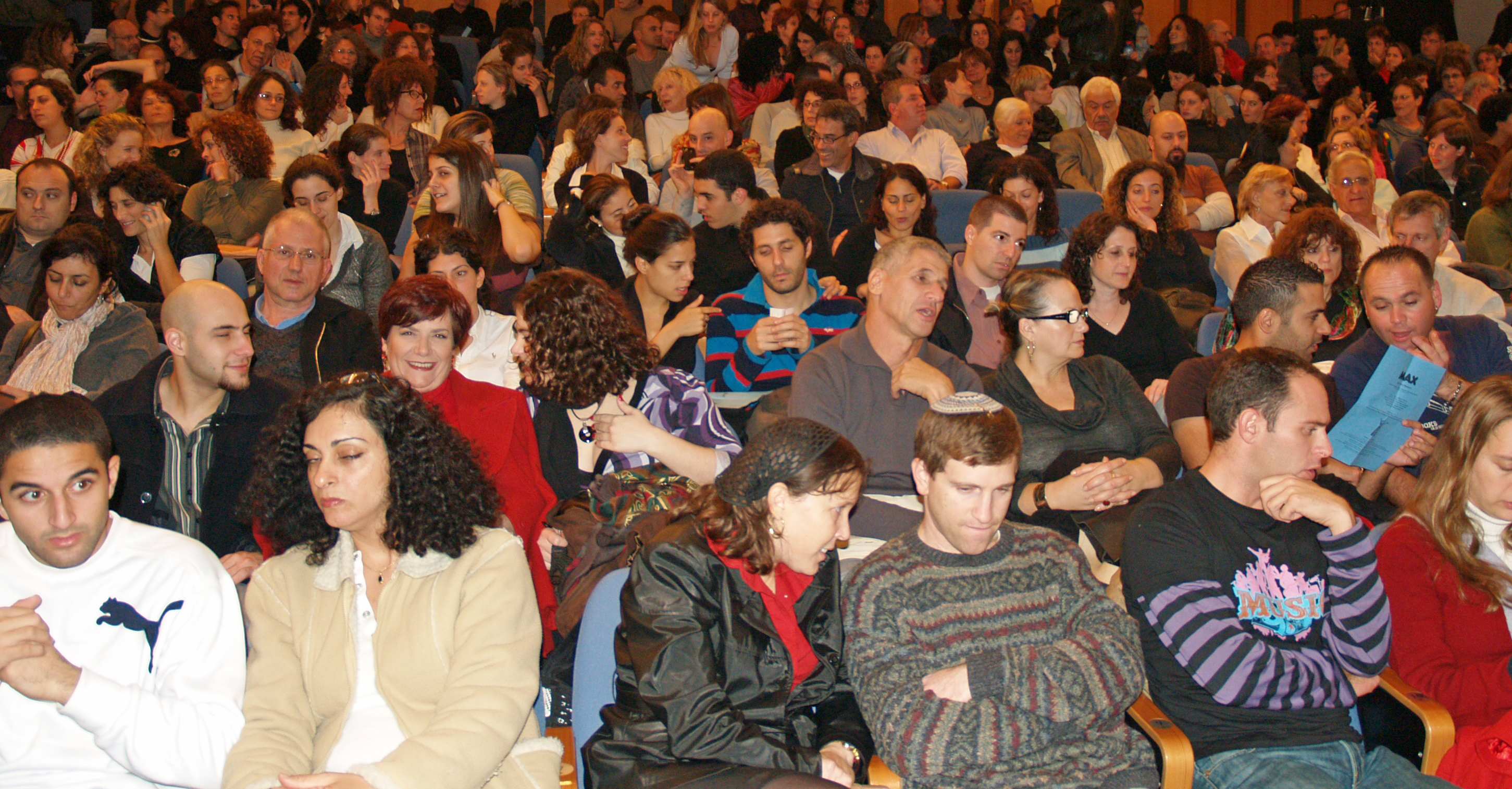
An audience is a group of people who participate in or consume various forms of art, media, and performances, including theatre, music, video games, literature, and academics. The study of audience behavior and theory has become a significant part of the curriculum, providing insights into how audiences interact with and influence different forms of art. With the rise of the internet and social media, audiences have become more diverse and influential, shaping the creation and reception of art and media. According to a study by Pew Research Center, 72% of adults in the United States have attended a live music or theater event in the past year, highlighting the significance of audience engagement. The concept of audience has evolved over time, with the advent of new technologies and platforms, such as YouTube and Twitch, which have enabled new forms of audience participation and interaction. As noted by Henry Jenkins, a prominent media scholar, the audience is no longer a passive recipient of content, but an active participant in the creation and dissemination of media.
🎭 Origins & History
The concept of audience has its roots in ancient Greece, where Aristotle discussed the importance of audience in his work 'Rhetoric'. The term 'audience' itself comes from the Latin word 'audientia', meaning 'a hearing' or 'a listening'. Over time, the concept of audience has evolved to encompass various forms of art and media, including theatre, music, and literature. As noted by Marshall McLuhan, a Canadian philosopher, the audience is shaped by the medium itself, with different media forms influencing the way audiences engage with content.
📊 How It Works
Audience theory offers a framework for understanding how audiences interact with and influence different forms of art. According to Stuart Hall, a British cultural theorist, audiences are not passive recipients of content, but rather active participants who bring their own meanings and interpretations to the text. This perspective is supported by studies on fan culture, which highlight the creative and participatory nature of audience engagement. For example, the Star Wars franchise has inspired a dedicated fan base, with fans creating their own fan fiction, art, and cosplay.
📈 Key Facts & Numbers
Key facts about audiences include the diversity of audience members, with different demographics and interests influencing their engagement with art and media. According to a report by Nielsen Media Research, the average American spends over 4 hours a day watching television, while also engaging with other forms of media, such as social media and video games. The rise of streaming services, such as Netflix and Spotify, has also changed the way audiences consume media, with more people opting for on-demand content. As noted by Reid Hoffman, a entrepreneur and investor, the shift to streaming services has created new opportunities for content creators to reach and engage with audiences.
👥 Key People & Organizations
Key people and organizations in the study of audience include John Fiske, a media scholar who has written extensively on audience theory, and The Audience Agency, a UK-based organization that provides research and consulting services on audience development and engagement. Other notable organizations include The Knight Foundation, which supports innovative projects in journalism and media, and The MacArthur Foundation, which funds initiatives in arts and culture. For example, the MacArthur Foundation has supported projects such as Public Radio International, which aims to engage diverse audiences through innovative storytelling and programming.
🌍 Cultural Impact & Influence
The cultural impact of audiences is significant, with audiences shaping the creation and reception of art and media. According to a study by The Annenberg Public Policy Center, 60% of adults in the United States believe that the media has a significant influence on their opinions and attitudes. The rise of social media has also enabled audiences to engage with each other and with content creators, creating new forms of audience participation and interaction. As noted by Danah Boyd, a principal researcher at Microsoft Research, social media has created new opportunities for audiences to engage with and influence each other, as well as with content creators.
⚡ Current State & Latest Developments
The current state of audiences is characterized by diversity and fragmentation, with audiences engaging with multiple forms of art and media across different platforms. According to a report by Deloitte, 70% of millennials use their smartphones to access entertainment content, while also engaging with other forms of media, such as video games and podcasts. The rise of influencer marketing has also created new opportunities for brands to engage with audiences, with influencers such as Chiara Ferragni and Camila Coelho having millions of followers on Instagram.
🤔 Controversies & Debates
Controversies and debates surrounding audiences include issues of representation and diversity, with some critics arguing that audiences are not adequately represented in certain forms of art and media. According to a study by The USC Annenberg Inclusion Initiative, only 12% of lead characters in films are from underrepresented racial and ethnic groups. Other debates surround the impact of social media on audience engagement, with some arguing that social media has created new opportunities for audience participation, while others argue that it has contributed to the decline of traditional forms of engagement, such as live theater.
🔮 Future Outlook & Predictions
The future outlook for audiences is characterized by continued diversity and fragmentation, with audiences engaging with multiple forms of art and media across different platforms. According to a report by PwC, the global entertainment and media market is expected to reach $2.6 trillion by 2025, with streaming services and video games driving growth. As noted by Eric Schmidt, the former CEO of Google, the future of audiences will be shaped by technological advancements, such as artificial intelligence and virtual reality.
💡 Practical Applications
Practical applications of audience theory include the development of audience-centered marketing strategies, which take into account the diverse needs and interests of audience members. According to a study by Harvard Business Review, companies that prioritize audience engagement and participation are more likely to achieve long-term success. Other applications include the creation of audience-friendly content, such as podcasts and video blogs, which cater to the diverse interests and preferences of audience members. For example, the New York Times has created a range of podcasts, including The Daily and How I Built This, which have attracted large and dedicated audiences.
Key Facts
- Year
- 2020
- Origin
- Ancient Greece
- Category
- culture
- Type
- concept
Frequently Asked Questions
What is the definition of an audience?
An audience is a group of people who participate in or consume various forms of art, media, and performances. According to Oxford Dictionary, an audience is 'a group of people who watch or listen to a performance, play, or broadcast'.
What is audience theory?
Audience theory is a framework for understanding how audiences interact with and influence different forms of art and media. As noted by Stuart Hall, audience theory recognizes that audiences are not passive recipients of content, but rather active participants who bring their own meanings and interpretations to the text.
How do audiences engage with art and media?
Audiences engage with art and media in various ways, including attending live performances, watching films and television shows, listening to music, and participating in online discussions and communities. According to a study by Pew Research Center, 77% of adults in the United States have attended a live music or theater event in the past year.
What is the cultural impact of audiences?
The cultural impact of audiences is significant, with audiences shaping the creation and reception of art and media. According to a study by The Annenberg Public Policy Center, 60% of adults in the United States believe that the media has a significant influence on their opinions and attitudes.
What are some controversies surrounding audiences?
Controversies surrounding audiences include issues of representation and diversity, with some critics arguing that audiences are not adequately represented in certain forms of art and media. According to a study by The USC Annenberg Inclusion Initiative, only 12% of lead characters in films are from underrepresented racial and ethnic groups.
What is the future outlook for audiences?
The future outlook for audiences is characterized by continued diversity and fragmentation, with audiences engaging with multiple forms of art and media across different platforms. According to a report by PwC, the global entertainment and media market is expected to reach $2.6 trillion by 2025, with streaming services and video games driving growth.
How can I apply audience theory in practice?
Practical applications of audience theory include the development of audience-centered marketing strategies, which take into account the diverse needs and interests of audience members. According to a study by Harvard Business Review, companies that prioritize audience engagement and participation are more likely to achieve long-term success.