
Contents
- 🎵 Origins & History
- ⚙️ How It Works
- 📊 Key Facts & Numbers
- 👥 Key People & Organizations
- 🌍 Cultural Impact & Influence
- ⚡ Current State & Latest Developments
- 🤔 Controversies & Debates
- 🔮 Future Outlook & Predictions
- 💡 Practical Applications
- 📚 Related Topics & Deeper Reading
- Frequently Asked Questions
- References
- Related Topics
Overview
The concept of the 'B movie' emerged during Hollywood's Golden Age, roughly from the late 1920s to the late 1950s. These were not necessarily bad films, but rather commercially produced motion pictures with lower budgets and shorter shooting schedules than the studio's flagship 'A' pictures. They were primarily intended as the second feature in a double-bill program, offering audiences more screen time for their ticket price. Studios like RKO Pictures, Warner Bros., and Universal Pictures had dedicated B-movie units, churning out genre pictures like Westerns, crime thrillers, and horror films. Precursors can be seen in the early days of filmmaking, where efficiency and volume were key to studio operations, but the formalization of the B movie as a distinct category solidified with the rise of the studio system and the popularity of double features. The economic model was simple: use established genre formulas, efficient production techniques, and often contract players to create profitable, disposable entertainment.
⚙️ How It Works
The 'how it works' of B movies is fundamentally tied to their economic constraints and creative freedoms. Unlike 'A' pictures, which demanded massive budgets for star power, elaborate sets, and extensive marketing, B movies operated on lean principles. This often meant shorter production times (sometimes as little as 10-15 days), smaller casts, fewer shooting locations, and a reliance on stock footage or simpler special effects. Directors and writers, while often less experienced or established than their 'A' list counterparts, were frequently given more creative latitude. This environment fostered experimentation, allowing for unconventional storytelling, boundary-pushing themes, and the development of unique visual styles that might have been deemed too risky for larger productions. The distribution model was also key; B movies were often sold in packages to theaters, ensuring their exhibition even if they weren't blockbusters. The rise of television in the 1950s, however, began to erode the double feature model, forcing studios to re-evaluate their production strategies and leading many B-movie units to transition into television production.
📊 Key Facts & Numbers
While precise historical figures for the B movie market are scarce, estimates suggest that during their heyday, B movies constituted a significant portion of Hollywood's output. For instance, by the early 1940s, it's estimated that studios were producing hundreds of B movies annually, with budgets often ranging from $50,000 to $200,000, a fraction of the $1 million+ budgets common for A pictures. Some B movies, like Roger Corman's early works, were famously produced for under $100,000. The profitability was often high due to the low overhead; a B movie could recoup its costs and turn a profit with modest box office returns. For example, a film like Plan 9 from Outer Space (1959), though critically panned, found a cult audience and generated revenue through re-releases and home video, demonstrating the long tail of B movie success. By the late 1950s, the production of theatrical B movies by major studios declined sharply, with estimates suggesting a drop of over 70% in dedicated B-unit output compared to the peak years.
👥 Key People & Organizations
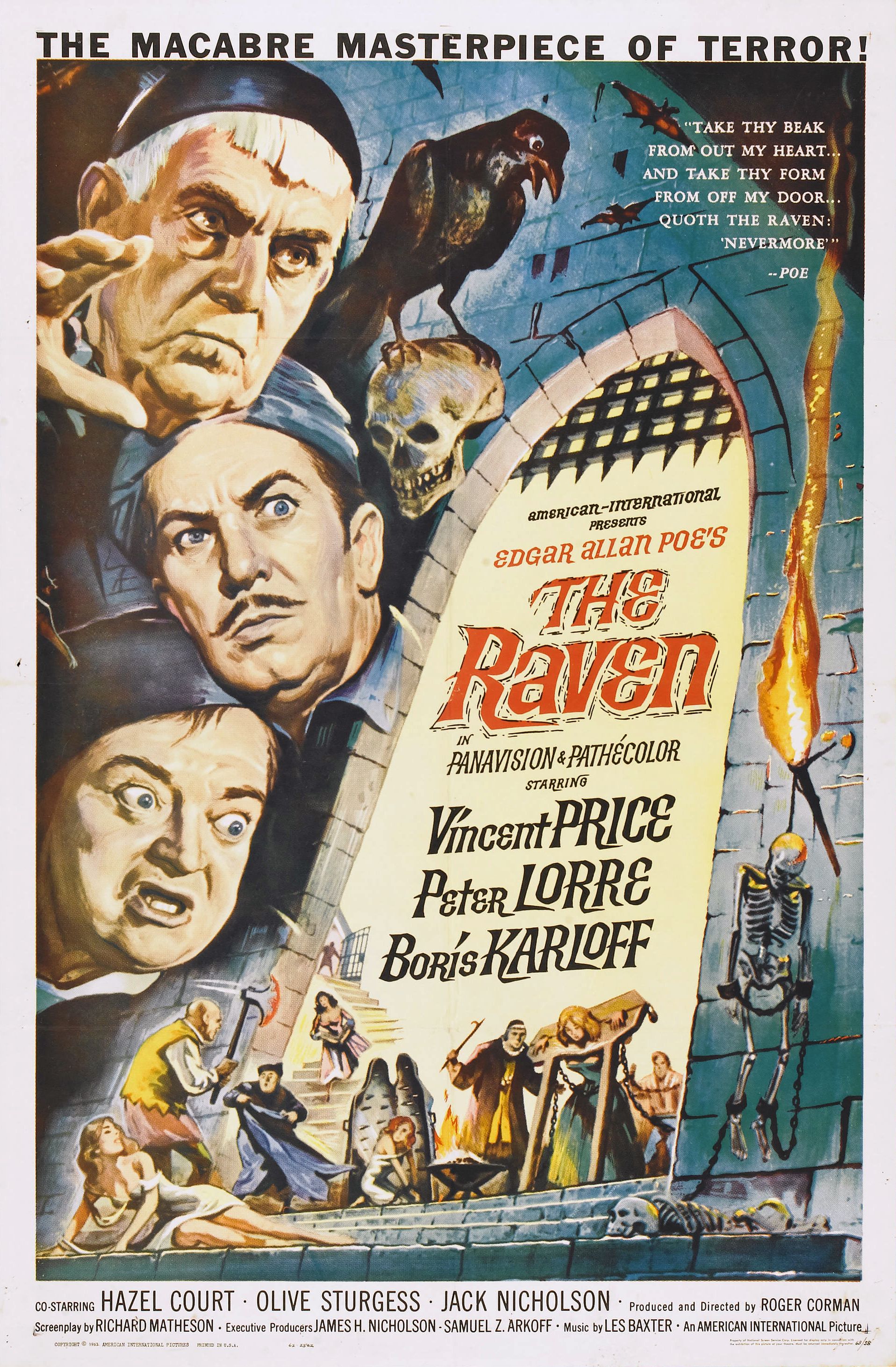
Key figures in the B movie landscape include producers like Roger Corman, often dubbed the 'King of the B's,' whose prolific output and knack for spotting talent (launching careers of directors like Martin Scorsese, Francis Ford Coppola, and actors like Jack Nicholson) defined the genre for decades. Directors such as Ed Wood became cult icons for their earnest, albeit technically flawed, creations like Plan 9 from Outer Space. Studio heads and production managers at Monogram Pictures (later Allied Artists Pictures) and Republic Pictures were instrumental in establishing the industrial-scale production of B Westerns and serials. Actors like Lon Chaney Jr. and John Wayne (in his early career) frequently appeared in B pictures, honing their craft. The American Film Institute has recognized the significance of these films, though often through the lens of their later cult status rather than their original industrial function.
🌍 Cultural Impact & Influence
The cultural impact of B movies is profound, extending far beyond their initial theatrical runs. They served as incubators for genres, visual styles, and narrative techniques that would later be adopted by mainstream cinema. The horror and science fiction genres, in particular, owe a massive debt to the low-budget experimentation of B movies. Films like Invasion of the Body Snatchers (1956), a critically acclaimed B movie, tapped into Cold War anxieties and influenced countless subsequent sci-fi thrillers. The aesthetic of B movies, often characterized by its raw energy, inventive (if crude) special effects, and uninhibited storytelling, has inspired generations of filmmakers, artists, and musicians. The term 'cult classic' is frequently associated with B movies, as many found enduring popularity through midnight screenings, home video, and online communities, fostering a dedicated fandom that celebrates their unique charms. The influence can be seen in the works of directors like Quentin Tarantino, who openly pays homage to B movie tropes and aesthetics in films like Death Proof.
⚡ Current State & Latest Developments
In the contemporary landscape, the term 'B movie' has largely shed its original Hollywood classification meaning and now broadly refers to films made outside the major studio system, often with limited budgets, but with artistic ambition or genre appeal. Independent cinema, micro-budget filmmaking, and even certain streaming service productions can be considered modern B movies. The rise of digital filmmaking technology has democratized production, leading to an explosion of content that fits the spirit of the B movie – creative, often genre-focused, and less beholden to conventional commercial pressures. Festivals like the Sundance Film Festival and TIFF often showcase films that, while not explicitly labeled 'B movies,' embody their spirit of innovation and independent vision. The podcast B Movies and E-books (part of the B&E Network) even dedicates itself to exploring this category, highlighting its continued relevance.
🤔 Controversies & Debates
The primary controversy surrounding B movies revolves around their critical reception and artistic merit. Historically, they were often dismissed by critics as inferior to 'A' pictures, mere commercial fodder. However, a counter-narrative emerged, championed by cinephiles and scholars who recognized the artistic innovation, thematic depth, and cultural significance within these low-budget productions. The debate often centers on whether the term 'B movie' implies a qualitative deficiency or simply a production methodology. Furthermore, the exploitation elements present in many B movies, particularly those from the 1960s and 70s, have drawn criticism for their sensationalism and potential to perpetuate harmful stereotypes, leading to ongoing discussions about censorship and artistic responsibility. The line between a 'bad' movie and a 'cult classic' B movie is perpetually debated, with subjectivity playing a significant role.
🔮 Future Outlook & Predictions
The future of B movies, or rather the spirit they embody, appears robust, driven by technological advancements and evolving audience tastes. The proliferation of affordable digital filmmaking equipment and accessible distribution platforms like YouTube and Vimeo means that more filmmakers can create and share their work with minimal overhead. This democratization of filmmaking ensures a continuous stream of low-budget, high-concept projects that echo the B movie ethos. We can anticipate a continued blurring of lines between independent cinema, genre filmmaking, and even mainstream studio productions, as successful B movie concepts are often absorbed and re-imagined by larger entities. The enduring appeal of niche genres and unconventional storytelling suggests that the demand for films that defy traditional Hollywood formulas will persist, ensuring the legacy of the B movie continues to evolve.
💡 Practical Applications
While not a formal industry category today, the 'B movie' methodology has numerous practical applications. Its principles of efficient production, creative problem-solving, and genre focus are invaluable for independent filmmakers, student projects, and even for rapid prototyping in larger studios. The techniques developed for B movies – such as using limited sets creatively, employing practical effects, and focusing on strong storytelling over spectacle – are often taught in film schools as essential skills. Furthermore, the concept of the B movie has influenced the development of virtual reality content and augmented reality experiences, where creators often work with limited resources to achieve maximum impact. The ability to produce compelling content on a tight budget remains a critical skill across various media industries, from short films to video game development.
Key Facts
- Year
- 1930s-present
- Origin
- United States
- Category
- culture
- Type
- genre
Frequently Asked Questions
What exactly is a 'B movie' and how did it originate?
A 'B movie' originally referred to a low-budget film produced by Hollywood studios during the Golden Age (roughly 1930s-1950s) intended as the secondary feature in a double-bill cinema program. These films were distinct from the more prestigious 'A' pictures, often focusing on genre content like Westerns, crime, or horror, and were produced with shorter shooting schedules and smaller budgets, typically ranging from $50,000 to $200,000. Their purpose was to fill out cinema schedules and provide consistent, profitable entertainment without the high risks associated with 'A' productions.
Why did the production of traditional B movies decline?
The decline of the traditional B movie was primarily due to the rise of television in the 1950s. Television offered a new, cheaper form of home entertainment, which significantly impacted cinema attendance and the viability of the double feature format. As a result, major Hollywood studios began to phase out their dedicated B-movie production units, shifting focus to television production or concentrating resources on fewer, higher-budget 'A' pictures. This transition meant the industrial-scale production of second-feature films largely ceased by the end of the 1950s.
How is the term 'B movie' used today?
Today, 'B movie' is used more broadly to describe films that are characterized by their low budgets, independent production, and often unconventional or genre-focused content, rather than their specific role in a double feature. This can include everything from cult classics and exploitation films to ambitious independent projects made outside the major studio system. The term often implies a certain creative freedom and a departure from mainstream commercial pressures, even if the films are not necessarily 'bad.' Many modern filmmakers, like Quentin Tarantino, draw inspiration from this aesthetic and ethos.
What are some famous examples of B movies?
Iconic examples of films that fit the B movie spirit include Plan 9 from Outer Space (1959), directed by Ed Wood, often cited as one of the worst films ever made but celebrated as a cult classic. Roger Corman's extensive filmography, such as The Little Shop of Horrors (1960), exemplifies efficient, low-budget genre filmmaking. Invasion of the Body Snatchers (1956) is a critically acclaimed B movie that tapped into societal anxieties. More contemporary examples that carry the B movie ethos include films like Machete (2010) or Kung Fu Hustle (2004), which embrace genre conventions with a distinct, often self-aware, style.
Are B movies considered 'bad' movies?
Not necessarily. While many B movies were produced with limited resources and may exhibit technical flaws or unconventional performances, the term 'B movie' does not inherently equate to 'bad.' Historically, they were simply a classification based on budget and distribution. Many B movies are celebrated for their creativity, energy, and innovation, often providing a fertile ground for genre development and launching the careers of talented filmmakers and actors. Films like Invasion of the Body Snatchers (1956) or The Evil Dead (1981) are prime examples of B movies that achieved critical acclaim and lasting cultural impact, transcending their low-budget origins.
How can I find and watch B movies today?
Finding B movies today involves exploring various avenues beyond mainstream streaming services. Many classic B movies are available on platforms like YouTube and Vimeo, often uploaded by users or independent distributors. Specialized streaming services focusing on cult and classic cinema, such as Shudder (for horror) or Criterion Channel, frequently feature B movie selections. Physical media, like DVDs and Blu-rays, also remain a strong source, with many boutique labels releasing curated collections of B movie gems. Additionally, film archives and repertory cinemas often screen B movies as part of genre retrospectives or midnight movie programs.
What is the financial aspect of B movies?
Financially, B movies were designed for profitability through volume and low overhead. During their Golden Age, budgets often ranged from $50,000 to $200,000, a fraction of 'A' picture costs. This allowed them to recoup costs and turn a profit with relatively modest box office returns. For example, a film might cost $100,000 to make and earn $500,000, representing a significant profit margin for the studio. Today, independent B movies operate on similar principles, with filmmakers leveraging digital technology to keep costs down, aiming for profitability through direct sales, niche distribution, or cult followings rather than blockbuster success. The economic model prioritizes efficiency and broad appeal within specific genres.