
Contents
- 📖 Introduction to the Bible
- 🕊️ Historical Context of the Bible
- 📚 Composition and Canonization
- 💡 Divine Inspiration and Interpretation
- 🌎 The Bible in Different Religious Traditions
- 📝 Literary Genres and Styles
- 👥 Key Figures and Authors
- 📆 Timeline of Biblical Events
- 🤝 The Bible and Other Abrahamic Religions
- 🌐 The Bible in Modern Times
- 📊 Controversies and Debates
- 🔍 Conclusion and Future Directions
- Frequently Asked Questions
- Related Topics
Overview
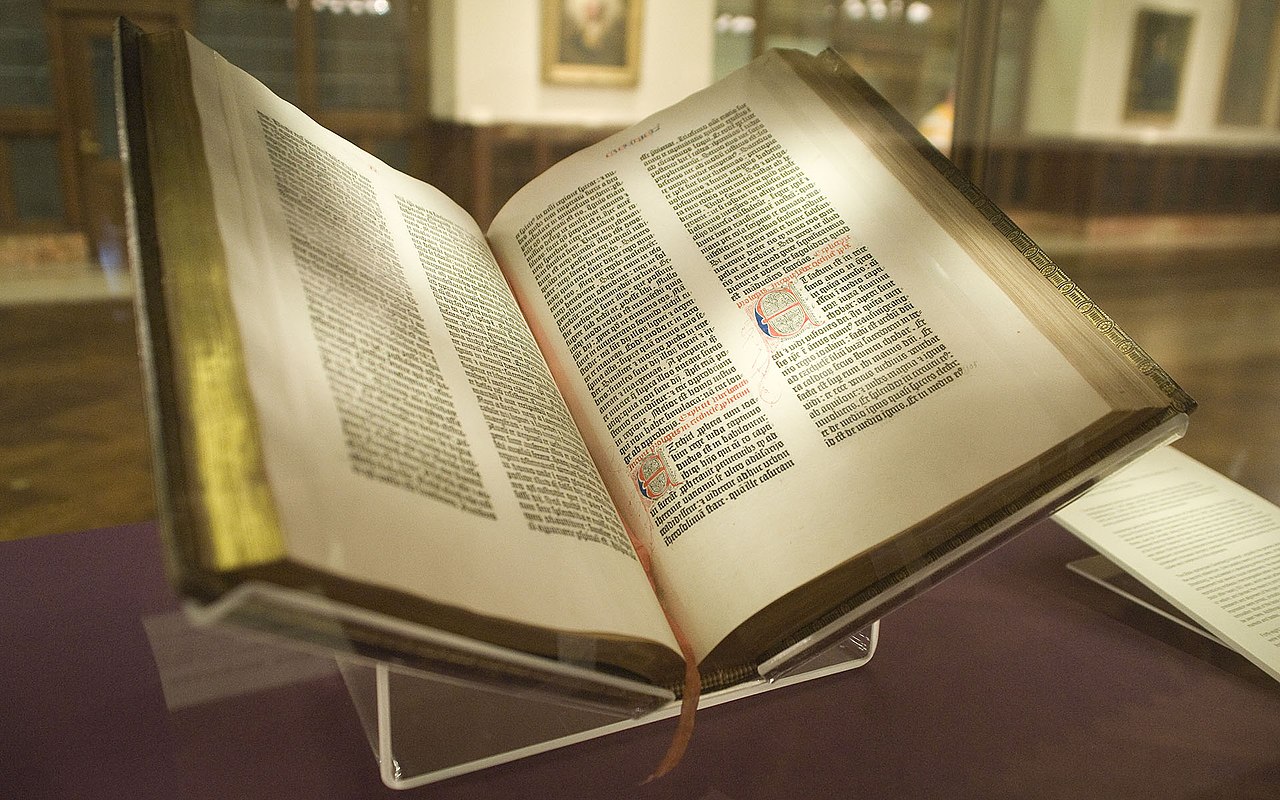
The Bible, with its intricate narrative spanning thousands of years, is a foundational text of Christianity, comprising the Old and New Testaments. Its historical roots trace back to ancient Israel, with the earliest texts dating around 800 BCE. The Bible's influence extends far beyond religious circles, shaping art, literature, and culture across centuries. With a Vibe score of 85, indicating its profound cultural energy, the Bible remains a subject of intense study, debate, and inspiration. Its interpretations vary widely, from literal to allegorical, reflecting the diverse perspectives of its readers. As a cultural touchstone, the Bible continues to evoke strong emotions and spark contentious discussions, with its themes of faith, morality, and redemption remaining universally relevant. The Bible's impact on Western civilization is undeniable, with its stories, characters, and teachings permeating everyday language and informing moral and ethical frameworks.
📖 Introduction to the Bible
The Bible is a complex and multifaceted text that has been a central part of Western religious tradition for centuries. As a collection of religious texts, the Bible is esteemed in Christianity, Judaism, and other Abrahamic religions such as Islam. The Bible is an anthology that was originally written in Hebrew and Koine Greek, and includes a wide range of genres such as instructions, stories, poetry, and prophecies. For example, the Book of Genesis provides an account of the creation of the world, while the Book of Psalms contains a collection of poetic prayers and songs. The Bible's significance extends beyond its religious importance, as it has also had a profound impact on Western culture and literature.
🕊️ Historical Context of the Bible
The historical context of the Bible is crucial to understanding its composition and meaning. The Bible was written over a period of several centuries, with the earliest texts dating back to around 700 BCE. The Ancient Israelites played a significant role in the development of the Bible, as they were the primary authors and audience of the text. The Bible also reflects the cultural and historical context of the Ancient Near East, with references to Egypt, Babylon, and other neighboring civilizations. For instance, the Exodus narrative describes the Israelites' escape from slavery in Egypt, while the Prophets speak to the social and political issues of their time. Understanding the historical context of the Bible is essential for interpreting its meaning and significance, as seen in the works of historical criticism and biblical archaeology.
📚 Composition and Canonization
The composition and canonization of the Bible is a complex and debated topic. The process of canonization, which refers to the process of determining which texts are considered authoritative and part of the biblical canon, occurred over several centuries. The Septuagint, a Greek translation of the Hebrew Bible, played a significant role in the development of the Christian Old Testament. The Apocrypha, a collection of texts that are not considered part of the canonical Bible, also provide valuable insights into the history and culture of the Ancient Israelites. The biblical canon is not uniform across different religious traditions, with Protestantism, Catholicism, and Orthodox Christianity each having their own distinct canon. For example, the Book of Tobit is considered part of the Catholic canon, but not the Protestant canon.
💡 Divine Inspiration and Interpretation
The concept of divine inspiration is central to the Bible's significance and authority. Believers generally consider the Bible to be a product of divine inspiration, but the way they understand what that means and how they interpret the text varies. Fundamentalist approaches to the Bible emphasize its literal and historical accuracy, while liberal theology emphasizes its symbolic and metaphorical meaning. The Bible's authority is also a topic of debate, with some arguing that it is the ultimate source of moral and spiritual guidance, while others see it as one of many sources of wisdom and insight. For instance, the Sermon on the Mount provides a vision of moral and ethical living, while the Book of Job raises questions about the nature of suffering and evil.
🌎 The Bible in Different Religious Traditions
The Bible is revered in different ways across various religious traditions. In Judaism, the Bible is known as the Tanakh and is considered the central text of the Jewish faith. In Christianity, the Bible is divided into the Old Testament and the New Testament, with the latter being unique to Christianity. Islam also recognizes the Bible as a sacred text, although it is considered to be corrupted and incomplete. The Bible's significance extends beyond its religious importance, as it has also had a profound impact on Western culture and literature. For example, the Paradise Lost epic poem by John Milton draws heavily on biblical themes and motifs.
📝 Literary Genres and Styles
The Bible contains a wide range of literary genres and styles, reflecting the diversity of its authors and historical context. The Book of Genesis is an example of mythological literature, while the Book of Psalms is a collection of poetic prayers and songs. The Prophets are characterized by their use of apocalyptic literature and oratory styles. The New Testament includes Gospels, Epistles, and Apocalypses, each with its own unique literary style and genre. For instance, the Gospel of John is known for its poetic and symbolic language, while the Epistle to the Romans is a masterful example of theological argumentation.
📆 Timeline of Biblical Events
The timeline of biblical events is complex and spans several centuries. The Patriarchal Era is the earliest period of biblical history, dating back to around 2000 BCE. The United Monarchy period, which includes the reigns of King Saul, King David, and King Solomon, is a significant period in biblical history. The Babylonian Exile and the Persian Period are also important events in the biblical narrative. The Life of Jesus and the Early Christian Church are central to the New Testament narrative. For instance, the Crucifixion of Jesus is seen as a pivotal event in Christian theology, while the Conversion of Paul is a key moment in the spread of Christianity.
🤝 The Bible and Other Abrahamic Religions
The Bible has a complex and multifaceted relationship with other Abrahamic religions. Islam recognizes the Bible as a sacred text, although it is considered to be corrupted and incomplete. The Quran contains references to biblical figures and events, such as Adam and Noah. The Baha'i Faith also recognizes the Bible as a sacred text, although it is considered to be superseded by the Kitab-i-Aqdas. The Bible's relationship with Judaism is also complex, with the Tanakh being the central text of the Jewish faith. For example, the Torah is seen as the foundation of Jewish law and tradition, while the Talmud provides a commentary on the Torah and its application to Jewish life.
🌐 The Bible in Modern Times
The Bible continues to be a significant text in modern times, with its influence extending beyond its religious importance. The Bible has had a profound impact on Western culture and literature, with references to biblical themes and motifs appearing in works such as Paradise Lost and The Divine Comedy. The Bible has also been the subject of numerous biblical translations and biblical interpretations, with different approaches and perspectives being debated among scholars and theologians. For instance, the historical-critical method seeks to understand the Bible in its historical context, while the literary-critical method focuses on the Bible's literary and poetic qualities.
📊 Controversies and Debates
The Bible is also the subject of numerous controversies and debates, with different interpretations and perspectives being advocated by various groups and individuals. The creationism vs. evolution debate is a significant example of this, with some arguing that the Bible supports a literal and historical understanding of creation, while others see it as a symbolic and metaphorical account. The inerrancy of the Bible is also a topic of debate, with some arguing that the Bible is without error or contradiction, while others see it as a human text with limitations and flaws. For example, the Biblical account of creation is seen as a powerful symbol of God's power and wisdom, while the Problem of evil raises questions about the nature of God and the world.
🔍 Conclusion and Future Directions
In conclusion, the Bible is a complex and multifaceted text that has been a central part of Western religious tradition for centuries. Its significance extends beyond its religious importance, as it has also had a profound impact on Western culture and literature. As we look to the future, it is clear that the Bible will continue to be a subject of debate and discussion, with different interpretations and perspectives being advocated by various groups and individuals. The Bible's relevance and significance will only continue to grow, as people seek to understand its meaning and significance in an increasingly complex and globalized world. For instance, the Digital Bible has made it possible for people to access and engage with the Bible in new and innovative ways, while the Interfaith dialogue has highlighted the importance of understanding and respecting different religious traditions and perspectives.
Key Facts
- Year
- 400
- Origin
- Ancient Israel
- Category
- Religion and Spirituality
- Type
- Sacred Text
Frequently Asked Questions
What is the Bible?
The Bible is a collection of religious texts that are central to Christianity and Judaism, and esteemed in other Abrahamic religions such as Islam. It is an anthology originally written in Hebrew and Koine Greek, and includes a wide range of genres such as instructions, stories, poetry, and prophecies. The Bible is considered to be a product of divine inspiration, but the way it is understood and interpreted varies across different religious traditions and communities.
What is the biblical canon?
The biblical canon refers to the collection of texts that are considered authoritative and part of the biblical canon by a particular religious tradition or community. The canon is not uniform across different religious traditions, with Protestantism, Catholicism, and Orthodox Christianity each having their own distinct canon. The process of canonization occurred over several centuries, with the Septuagint and the Apocrypha playing significant roles in the development of the Christian Old Testament.
Who wrote the Bible?
The Bible is attributed to a diverse range of authors, including Moses, King David, and the Apostle Paul. The Prophets are also significant figures in the Bible, with Isaiah, Jeremiah, and Ezekiel being among the most prominent. The authorship of the Bible is not always clear, with many texts being anonymous or pseudonymous. The Bible's authorship is a topic of ongoing debate and discussion among scholars and theologians.
What is the significance of the Bible?
The Bible is a complex and multifaceted text that has been a central part of Western religious tradition for centuries. Its significance extends beyond its religious importance, as it has also had a profound impact on Western culture and literature. The Bible has been the subject of numerous biblical translations and interpretations, with different approaches and perspectives being debated among scholars and theologians. The Bible's relevance and significance will only continue to grow, as people seek to understand its meaning and significance in an increasingly complex and globalized world.
How is the Bible used in different religious traditions?
The Bible is revered in different ways across various religious traditions. In Judaism, the Bible is known as the Tanakh and is considered the central text of the Jewish faith. In Christianity, the Bible is divided into the Old Testament and the New Testament, with the latter being unique to Christianity. Islam also recognizes the Bible as a sacred text, although it is considered to be corrupted and incomplete. The Bible's relationship with other Abrahamic religions is complex and multifaceted, with different interpretations and perspectives being advocated by various groups and individuals.
What are some of the controversies and debates surrounding the Bible?
The Bible is the subject of numerous controversies and debates, with different interpretations and perspectives being advocated by various groups and individuals. The creationism vs. evolution debate is a significant example of this, with some arguing that the Bible supports a literal and historical understanding of creation, while others see it as a symbolic and metaphorical account. The inerrancy of the Bible is also a topic of debate, with some arguing that the Bible is without error or contradiction, while others see it as a human text with limitations and flaws.
How has the Bible influenced Western culture and literature?
The Bible has had a profound impact on Western culture and literature, with references to biblical themes and motifs appearing in works such as Paradise Lost and The Divine Comedy. The Bible has also been the subject of numerous biblical translations and interpretations, with different approaches and perspectives being debated among scholars and theologians. The Bible's influence can be seen in art, music, and film, as well as in literature and philosophy. The Bible's relevance and significance will only continue to grow, as people seek to understand its meaning and significance in an increasingly complex and globalized world.