
Contents
Overview
The concept of examining tissue for diagnostic purposes predates modern medicine, with ancient physicians observing diseased organs. The formalization of biopsy as a distinct medical procedure began to take shape in the 19th century, coinciding with advancements in microscopy and pathology. Pioneers like Rudolf Virchow, often hailed as the father of modern pathology, emphasized the cellular basis of disease, laying theoretical groundwork for tissue examination. By the late 19th and early 20th centuries, techniques for tissue fixation and staining, such as hematoxylin and eosin (H&E), became standardized, enabling more reliable microscopic analysis. Early biopsies were often crude, but the development of specialized instruments and imaging guidance, like X-rays and later CT scans, revolutionized the ability to target specific lesions non-surgically. This evolution transformed biopsy from a purely surgical undertaking to a spectrum of minimally invasive techniques.
⚙️ How It Works
The process of a biopsy typically begins with the extraction of tissue, which can be achieved through several methods. Needle biopsies involve using a hollow needle to withdraw a sample, ranging from fine-needle aspiration (FNA) for cells and fluid to core needle biopsy for a cylindrical tissue sample. Surgical biopsies include incisional biopsies (removing a portion of a lesion) and excisional biopsies (removing the entire lesion). Once obtained, the tissue undergoes fixation, often in formalin, to preserve cellular structure. It is then dehydrated, embedded in paraffin wax, thinly sliced using a microtome, mounted on glass slides, and stained, most commonly with H&E. A pathologist then examines these slides under a microscope to identify abnormalities, such as cancerous cells, inflammation, or infection. Advanced techniques like immunohistochemistry and molecular testing can provide further diagnostic detail.
📊 Key Facts & Numbers
Globally, an estimated 10-15 million biopsies are performed annually, with the majority related to cancer diagnosis. In the United States alone, over 5 million skin biopsies are performed each year, with melanoma being a primary concern. Prostate cancer biopsies, typically involving 10-20 needle samples, are conducted on over 1 million men annually worldwide. The global market for biopsy devices was valued at approximately $2.5 billion in 2023 and is projected to grow at a compound annual growth rate (CAGR) of 6.5% through 2030. The accuracy rate for well-performed biopsies, particularly for common cancers like breast and prostate, often exceeds 95%, though false negatives can occur in up to 10-15% of cases depending on the cancer type and sampling method. The cost of a single biopsy procedure can range from $200 for a simple FNA to over $2,000 for complex surgical or image-guided procedures.
👥 Key People & Organizations
Key figures in the development and practice of biopsy include Rudolf Virchow (1821-1902), whose work on cellular pathology provided the theoretical basis. William Stewart Halsted (1852-1922) pioneered radical mastectomy, implicitly relying on surgical biopsy for diagnosis and treatment planning. More contemporary figures like Ronald Bossert (Boss) Gertner and David M. Parikh have contributed to advancements in biopsy techniques and devices, particularly in interventional radiology. Major organizations such as the College of American Pathologists (CAP) and the Royal College of Pathologists set standards for practice and training. Companies like Becton, Dickinson and Company (BD), Cook Medical, and Medtronic are significant players in the development and manufacturing of biopsy instruments and related technologies.
🌍 Cultural Impact & Influence
The biopsy has permeated popular culture, often depicted in medical dramas like Grey's Anatomy and House M.D. as a moment of high tension and diagnostic revelation. It represents the tangible, physical confrontation with disease, a literal cutting-edge of medical science. The procedure has become synonymous with the fight against cancer, a necessary step on the path to diagnosis and treatment. Beyond fiction, the widespread understanding of biopsy has contributed to increased patient awareness and engagement in their own healthcare decisions. The very word 'biopsy' evokes a sense of scientific rigor and definitive answers, shaping public perception of medical diagnosis. Its influence extends to the development of medical devices and the training of countless healthcare professionals across disciplines like pathology, surgery, and radiology.
⚡ Current State & Latest Developments
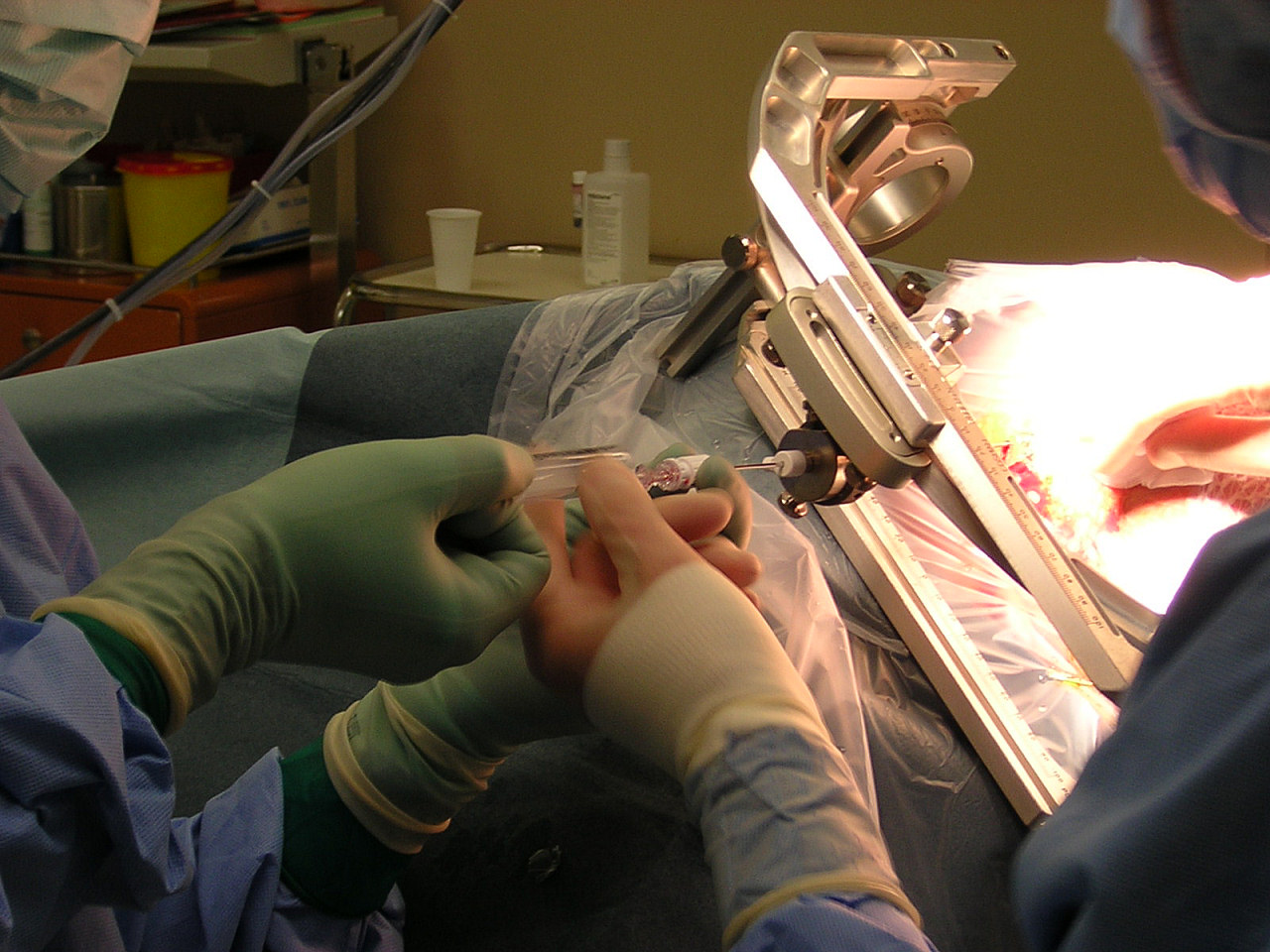
Current developments in biopsy technology are rapidly advancing, focusing on increased precision, reduced invasiveness, and enhanced diagnostic yield. Liquid biopsies, which analyze circulating tumor DNA (ctDNA) or cells in blood or other bodily fluids, are gaining significant traction as a less invasive alternative or complement to tissue biopsies, particularly for monitoring treatment response and detecting recurrence. Advances in artificial intelligence are being integrated into digital pathology platforms to assist pathologists in analyzing biopsy slides, improving speed and accuracy in identifying subtle abnormalities. Robotic-assisted biopsy systems are also emerging, offering greater dexterity and precision for hard-to-reach anatomical locations, as seen in advancements for lung biopsies and brain biopsies. The integration of genomic sequencing directly from biopsy samples is also becoming standard practice for personalized cancer treatment.
🤔 Controversies & Debates
One of the most significant controversies surrounding biopsies is the potential for sampling error, leading to false negatives. This is particularly concerning in cancers where early detection is critical, such as lung cancer or pancreatic cancer. The debate also extends to the optimal number of samples needed for certain procedures, like prostate biopsies, with ongoing research aiming to refine protocols. Ethical considerations arise regarding the invasiveness of the procedure, patient consent, and the psychological impact of awaiting results. Furthermore, the cost and accessibility of advanced biopsy techniques, including liquid biopsies and AI-assisted analysis, raise questions about healthcare equity and disparities in access to cutting-edge diagnostics. The interpretation of borderline findings also presents a challenge, sometimes leading to patient anxiety and further invasive testing.
🔮 Future Outlook & Predictions
The future of biopsy is increasingly leaning towards less invasive and more informative methods. Liquid biopsies are expected to become a standard first-line diagnostic tool for many cancers, potentially reducing the need for tissue biopsies in certain scenarios, though tissue biopsies will likely remain crucial for definitive diagnosis and complex molecular profiling. The integration of multi-omics data—combining genomics, proteomics, and metabolomics—from biopsy samples will enable a more comprehensive understanding of disease biology and personalized treatment selection. Advancements in nanotechnology may lead to even more targeted biopsy techniques and in-situ diagnostic capabilities. AI will play an even larger role, not just in analysis but potentially in guiding the biopsy procedure itself in real-time, further minimizing sampling error and improving diagnostic confidence. The goal is to move towards 'virtual biopsies' or highly predictive non-invasive diagnostics.
💡 Practical Applications
Biopsies have a vast array of practical applications across numerous medical specialties. In oncology, they are fundamental for diagnosing and staging cancers, guiding treatment decisions for breast cancer, colon cancer, lymphoma, and countless others. In dermatology, they diagnose skin lesions, distinguishing between benign mo
Key Facts
- Category
- science
- Type
- topic