
Contents
Overview
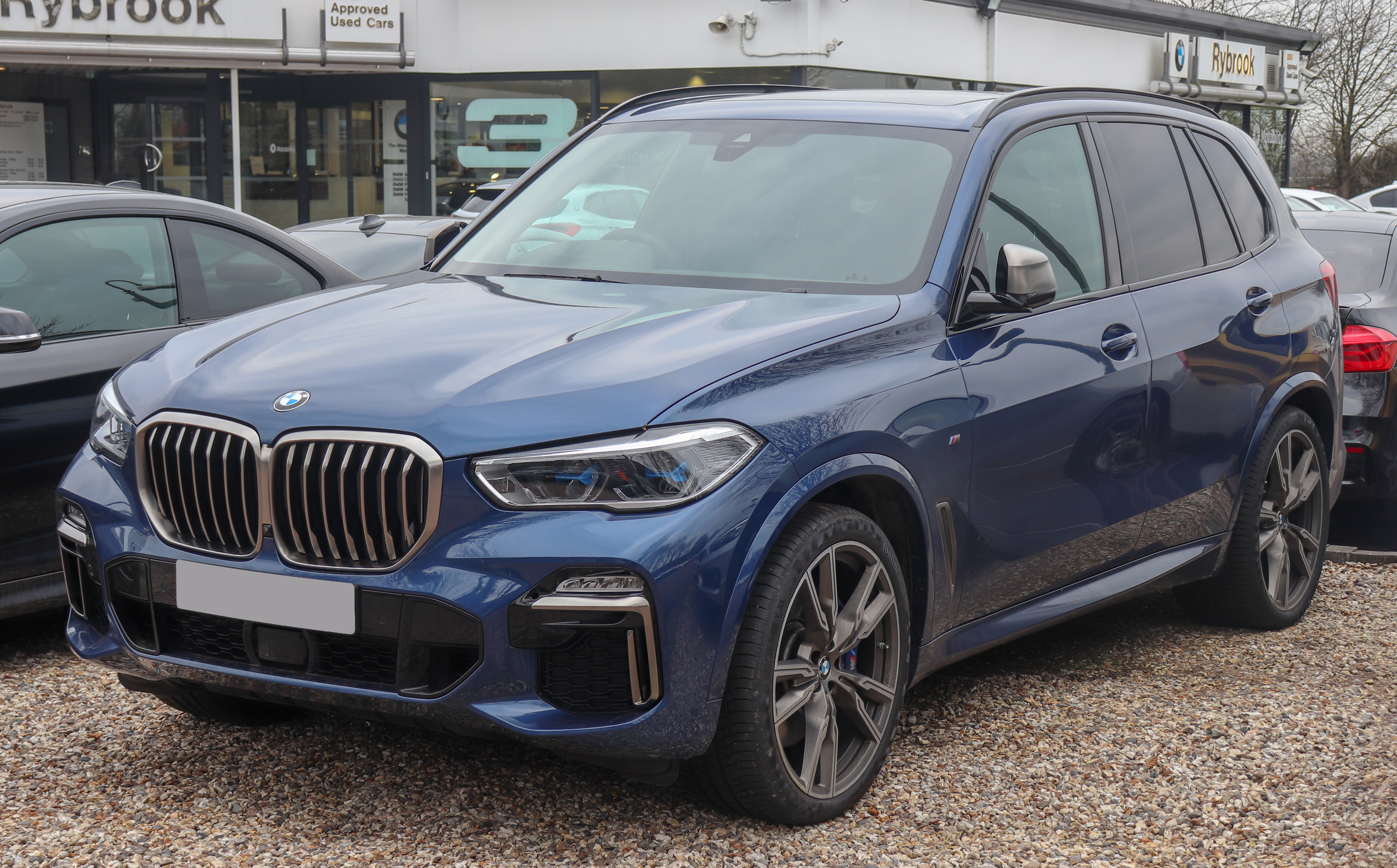
The genesis of the BMW X5 can be traced back to the late 1990s, a period when the SUV market was exploding globally. BMW, known for its performance sedans and coupes, saw an opportunity to apply its engineering philosophy to this popular vehicle type. Launched as the E53 model, the X5 was BMW's inaugural foray into the SUV segment, challenging established players like Land Rover and Mercedes-Benz. Crucially, BMW positioned it not as a utilitarian SUV but as a 'Sports Activity Vehicle' (SAV), emphasizing its car-like handling and luxurious appointments. This strategic branding, coupled with its innovative construction, set a new precedent for the segment, influencing later models from competitors like the Mercedes-Benz M-Class which, despite an earlier introduction, initially stuck to traditional construction.
⚙️ How It Works
At its core, the BMW X5 operates on a sophisticated all-wheel-drive system, known as xDrive, which dynamically distributes torque between the front and rear axles to optimize traction and stability. This system is typically paired with a smooth-shifting automatic transmission, though early E53 models offered a manual option. Under the hood, the X5 has historically featured a range of potent engines, from inline-six and V8 gasoline powerplants to efficient diesel variants and, more recently, plug-in hybrid powertrains. The vehicle's chassis is designed for a balance of comfort and sportiness, incorporating independent suspension and advanced electronic stability control systems. The interior is a hallmark of BMW's commitment to luxury, featuring high-quality materials, ergonomic design, and cutting-edge infotainment and driver-assistance technologies, often centered around the iDrive interface.
📊 Key Facts & Numbers
Since its debut, the BMW X5 has seen substantial evolution. The current G05 generation continues this trajectory, with BMW investing heavily in its electrification strategy. The X5 integrates advanced driver-assistance systems, such as semi-autonomous driving features and enhanced parking assistants, reflecting the industry's trend towards more connected and automated vehicles.
👥 Key People & Organizations
The BMW X5's development and success are intrinsically linked to the BMW Group. While specific designers and engineers are often not publicly credited for individual models, the vision for a luxury SAV was championed by BMW's leadership in the late 1990s. The xDrive all-wheel-drive system, a critical component, was a collaborative effort involving BMW's engineering teams and technology partners. The performance variants, the X5 M, were developed under the auspices of BMW M GmbH, the company's high-performance division, spearheaded by engineers dedicated to pushing the boundaries of automotive dynamics. The ongoing evolution of the X5, particularly its integration of electrification and advanced digital services, is guided by BMW's R&D departments and its strategic partnerships with tech companies.
🌍 Cultural Impact & Influence
The BMW X5 has profoundly influenced the luxury SUV segment, solidifying the 'SAV' concept and pushing competitors to prioritize on-road dynamics and premium interiors. Its success demonstrated that a vehicle could offer the practicality of an SUV without sacrificing the driving pleasure associated with performance sedans, a philosophy that became a benchmark. The X5 has been featured in popular culture, from music videos to film, often representing success and a sophisticated lifestyle. The X5's influence extends to its competitors, prompting models like the Audi Q7 and Porsche Cayenne to adopt similar design cues and performance targets.
⚡ Current State & Latest Developments
As of 2024, the BMW X5 (G05 generation) continues to be a cornerstone of BMW's lineup, receiving regular updates to maintain its competitive edge. The most recent facelift brought significant enhancements, including a redesigned front fascia, updated iDrive 8 infotainment system with a curved display, and expanded electrification options. The X5 xDrive50e, for instance, offers a more powerful plug-in hybrid powertrain, combining a turbocharged inline-six engine with an electric motor to deliver impressive performance and extended electric-only range. BMW has also focused on integrating advanced driver-assistance systems, such as semi-autonomous driving features and enhanced parking assistants, reflecting the industry's trend towards more connected and automated vehicles.
🤔 Controversies & Debates
One persistent debate surrounding the BMW X5 revolves around its 'SAV' designation versus the more common 'SUV' label. Critics argue that the distinction is largely marketing spin, as the vehicle clearly fits the definition of an SUV. The X5 is consistently positioned at the premium end of the market, leading to discussions about value for money compared to less expensive alternatives. Furthermore, the complexity of its advanced technology, while offering significant benefits, has also drawn criticism regarding potential long-term maintenance costs and the steep learning curve for some users to master features like the xDrive system and the iDrive interface. The environmental impact of its powerful engines, even with hybrid options, remains a subject of discussion among environmental advocates.
🔮 Future Outlook & Predictions
The future of the BMW X5 appears firmly rooted in electrification and digitalization. BMW has signaled its commitment to expanding its electric vehicle (EV) portfolio, and it's highly probable that future iterations of the X5 will feature more advanced plug-in hybrid systems and potentially a fully electric variant, possibly under the 'i' sub-brand, such as a hypothetical iX5. Expect further integration of artificial intelligence into the infotainment and driving assistance systems, offering more personalized experiences and enhanced safety. The design language is also likely to evolve, potentially incorporating more aerodynamic elements and minimalist interior aesthetics, aligning with BMW's broader future design direction. The competitive landscape will undoubtedly intensify, with rivals like Mercedes-Benz GLE and Audi Q8 also pushing the boundaries of luxury, performance, and technology.
💡 Practical Applications
The BMW X5 serves as a versatile platform for a variety of practical applications, excelling as a family vehicle due to its spacious interior, ample cargo capacity, and advanced safety features. Its towing capabilities make it suitable for hauling trailers, boats, or recreational equipment. For executives and business professionals, the X5 offers a luxurious and comfortable mobile office environment, equipped with connectivity features and a refined cabin. The performance-oriented X5 M variants are popular among driving enthusiasts who desire the utility of an SUV combined with exhilarating acceleration and handling. Furthermore, its availability with plug-in hybrid technology makes it an increasingly attractive option for those seeking to reduce their carbon footprint and fuel costs without compromising on performance or luxury.
Key Facts
- Category
- technology
- Type
- topic