
Contents
Overview
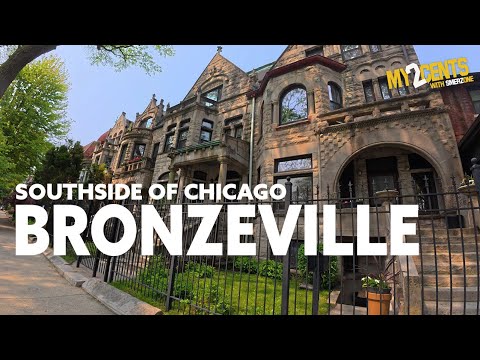
Bronzeville emerged in the late 19th century as a hub for African American migrants fleeing racial violence in the South. By the 1920s, it became the heart of Chicago's Black community, fueled by the Great Migration. The neighborhood thrived with institutions like the Chicago Defender newspaper, which amplified Black voices, and the DuSable Museum of African American History, founded in 1961. Key figures like Langston Hughes and Gwendolyn Brooks drew inspiration from Bronzeville's cultural vibrancy, while jazz legends such as Muddy Waters and Buddy Guy electrified its clubs. The 1919 Chicago Race Riot, a pivotal moment in the neighborhood's history, underscored its role as a battleground for racial justice.
⚙️ How It Works
The neighborhood's cultural ecosystem was built on a mix of entrepreneurship, art, and activism. Black-owned businesses, from restaurants to record stores, created economic resilience. The 1920s saw the rise of the Harlem Renaissance's influence, blending with Chicago's unique flavor. Bronzeville's streets became a canvas for Black creativity, with murals, poetry readings, and music venues like the Regal Theater. The Chicago Freedom Movement of the 1960s, led by Dr. Martin Luther King Jr., further cemented its legacy as a center for civil rights. This dynamic interplay of art, politics, and commerce made Bronzeville a microcosm of Black America's aspirations.
🌍 Cultural Impact
Bronzeville's impact extended beyond its borders, shaping national conversations about race, identity, and culture. Its jazz scene influenced the development of blues and rock, while its literary figures helped define the Black Arts Movement. The neighborhood's struggles with segregation and economic decline in the late 20th century mirrored broader systemic issues, yet its cultural contributions remain foundational. Today, initiatives like the Bronzeville Renaissance Project aim to revitalize the area while preserving its history. Bronzeville's story is a testament to the power of community and creativity in the face of adversity.
🔮 Legacy & Future
Modern Bronzeville faces challenges like gentrification and disinvestment, but its legacy endures through institutions like the Chicago Cultural Center and the Bronzeville Business Association. The neighborhood's historical significance has sparked debates about preservation versus progress, with advocates arguing for equitable development. Its influence persists in contemporary art, music, and activism, ensuring that the spirit of Bronzeville continues to inspire new generations of creators and leaders.
Key Facts
- Year
- 1890s–present
- Origin
- Chicago, Illinois, USA
- Category
- culture
- Type
- place
Frequently Asked Questions
What made Bronzeville significant in Chicago's history?
Bronzeville was the epicenter of Chicago's Black community during the Great Migration, fostering cultural innovation, civil rights activism, and economic resilience. It produced iconic figures like Langston Hughes and Muddy Waters and became a symbol of Black empowerment.
How did the 1919 Chicago Race Riot impact Bronzeville?
The 1919 riots, sparked by racial tensions and the death of a Black teenager, highlighted Bronzeville's role as a battleground for racial justice. The violence underscored the neighborhood's struggles with segregation and catalyzed broader civil rights movements.
What cultural institutions are associated with Bronzeville?
The DuSable Museum of African American History, founded in 1961, and the Chicago Defender newspaper, which amplified Black voices, are key institutions rooted in Bronzeville's legacy. The neighborhood also hosted jazz clubs and literary salons.
Is Bronzeville still relevant today?
Yes, Bronzeville's legacy endures through cultural initiatives like the Bronzeville Renaissance Project. While facing challenges like gentrification, its history continues to inspire artists, activists, and community leaders.
What role did Bronzeville play in the civil rights movement?
Bronzeville was a focal point for civil rights activism, with figures like Dr. Martin Luther King Jr. organizing efforts in the 1960s. Its struggles with segregation and economic inequality mirrored national issues, making it a vital part of the movement's narrative.