
Contents
Overview
The roots of Brooklyn street art are firmly planted in the fertile ground of graffiti culture that exploded in New York City during the 1970s and 80s. While The Bronx is often cited as the birthplace of graffiti, Brooklyn quickly developed its own distinct style and scene. Early pioneers, often working under pseudonyms, used subway cars and building facades as their canvases, developing intricate lettering and bold imagery. By the late 20th century, this raw, often illicit, expression began to transition into more formalized muralism. Organizations like Groundswell emerged in the 1990s, channeling artistic energy into community-based projects that addressed social issues, laying the groundwork for the sanctioned and celebrated street art we see today. The shift from vandalism to recognized art form was gradual, fueled by gallery exhibitions and the increasing visibility of large-scale murals.
⚙️ How It Works
Brooklyn street art operates through a decentralized network of artists, building owners, community organizations, and art collectives. Artists often work with permission, securing wall space from property owners or through organized mural festivals. The creation process can range from spontaneous, unsanctioned pieces to meticulously planned, large-scale productions involving scaffolding and specialized equipment. Techniques vary widely, including spray paint, rollers, brushes, stencils, wheatpaste, and even sculptural installations. Many artists utilize social media platforms like Instagram to document their work, connect with other artists, and gain international exposure, effectively bypassing traditional art world gatekeepers. The ephemeral nature of the medium means that pieces can appear and disappear overnight, constantly refreshing the visual landscape.
📊 Key Facts & Numbers
Brooklyn street art is a significant cultural force. Street art tours generate millions of dollars in revenue for local businesses and tour operators. Reportedly, approximately 70% of street art in Brooklyn is created with property owner consent, a figure that has steadily increased over the past decade.
👥 Key People & Organizations
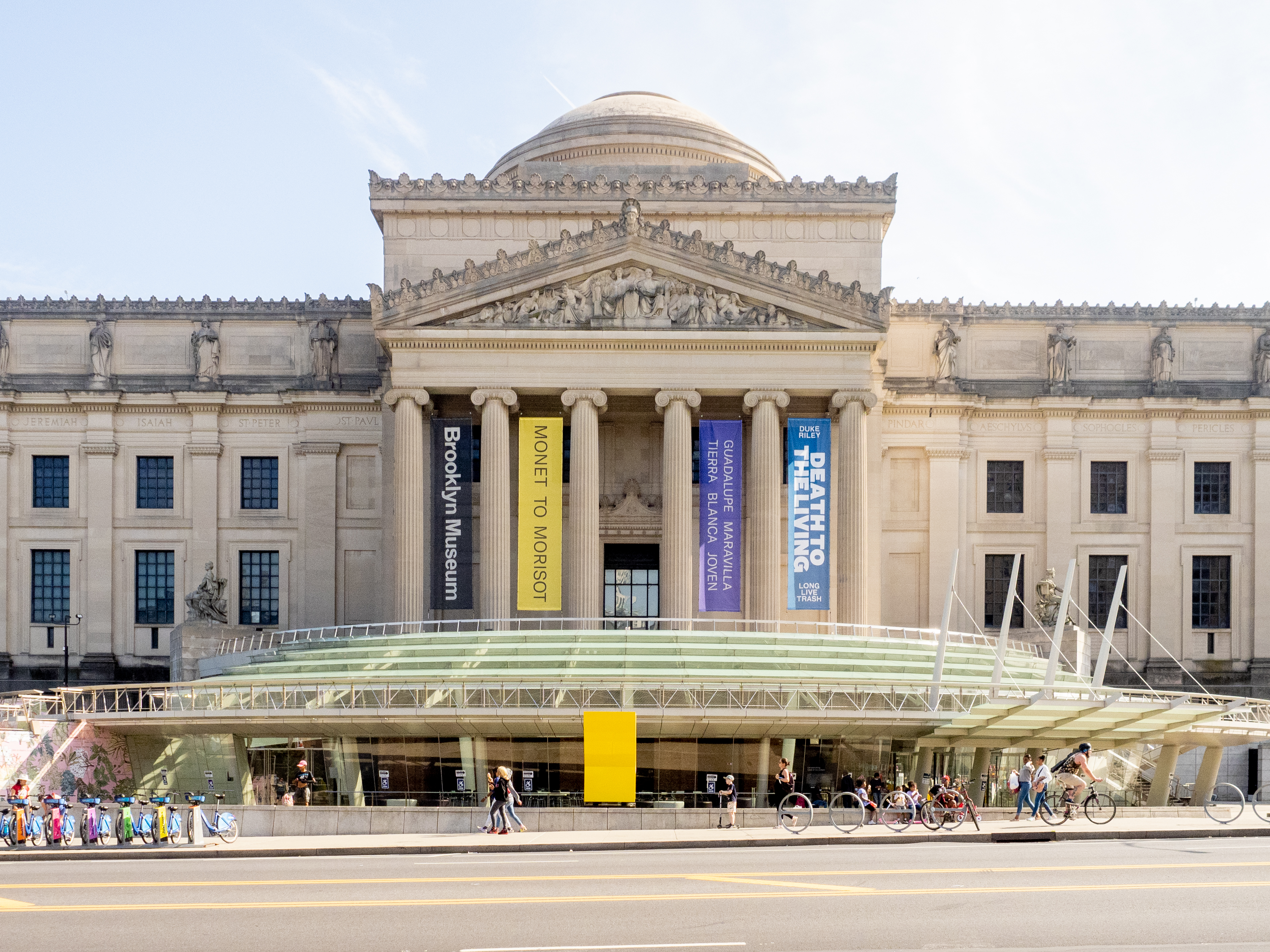
Key figures in Brooklyn street art include artists like Shepard Fairey, whose iconic OBEY Giant imagery has appeared on Brooklyn walls, and Eduardo Kobra, known for his vibrant, geometric portraits. Organizations such as Groundswell have been instrumental in fostering community-based public art projects since 1996. The Bushwick Collective, founded by Joe Ficalora, has become a major international hub for street art, inviting artists from around the globe. Local collectives like Welling Court Mural Project and the Graffiti Research Lab have also played significant roles in promoting and documenting the culture. The Brooklyn Museum itself, while a traditional institution, has increasingly engaged with contemporary urban art forms.
🌍 Cultural Impact & Influence
Brooklyn street art has profoundly influenced global urban culture, transforming neighborhoods into destinations and inspiring countless artists worldwide. It has become a significant driver of tourism, with dedicated street art tours attracting visitors eager to experience the borough's raw creativity. Beyond aesthetics, street art often serves as a powerful tool for social commentary, addressing issues of gentrification, inequality, and political activism. Its influence can be seen in fashion, music videos, and advertising, permeating mainstream culture. The movement has also fostered a sense of local pride and identity, with murals becoming symbols of neighborhood character and resilience, as seen in the vibrant works found in areas like Bushwick and Williamsburg.
⚡ Current State & Latest Developments
The street art scene in Brooklyn remains incredibly active, with new murals appearing weekly. Major mural festivals like The Bushwick Collective and the Welling Court Mural Project continue to draw international talent. There's a growing trend towards more sustainable and interactive street art, incorporating augmented reality elements or using eco-friendly paints. The ongoing dialogue around gentrification means that the content of street art is increasingly political, reflecting community concerns. Digital platforms continue to be crucial for artists, with many using NFTs to authenticate and sell digital versions of their physical works, blurring the lines between the physical and virtual art worlds. The emergence of AI-generated art also presents new possibilities and challenges for traditional street artists.
🤔 Controversies & Debates
One of the most persistent controversies surrounding Brooklyn street art is the debate over its relationship with gentrification. While celebrated as a cultural asset, critics argue that the proliferation of high-profile murals can accelerate property value increases, displacing long-term residents and small businesses. The line between sanctioned art and vandalism remains a point of contention, with debates over ownership, artistic intent, and public space. Furthermore, the commercialization of street art, with artists signing lucrative contracts and brands commissioning murals, raises questions about authenticity and the original ethos of the movement. The ephemeral nature of the art also sparks debate about preservation and the value of temporary installations.
🔮 Future Outlook & Predictions
The future of Brooklyn street art appears to be one of continued evolution and integration. We can expect to see more artists leveraging technology, from augmented reality overlays that bring murals to life to blockchain for authentication and ownership. The dialogue around gentrification will likely intensify, with street art potentially playing a more direct role in community advocacy and resistance. Expect a greater emphasis on sustainable practices, with artists exploring biodegradable paints and recycled materials. The boundaries between street art, digital art, and traditional gallery art will continue to blur, creating new hybrid forms. Brooklyn will likely remain a global benchmark, attracting artists and audiences who seek out its unique blend of raw creativity and urban narrative.
💡 Practical Applications
Street art in Brooklyn serves multiple practical functions beyond mere beautification. It acts as a powerful form of public communication, conveying social and political messages to a broad audience. For building owners, commissioned murals can enhance property value and deter unwanted graffiti. For communities, it can foster a sense of place and collective identity, revitalizing neglected areas and creating tourist attractions. Artists utilize street art as a platform to build their careers, gain exposure, and develop their artistic practice, often leading to gallery representation or commercial commissions. Furthermore, organized street art tours provide economic opportunities for guides and support local businesses in the neighborhoods they traverse.
Key Facts
- Category
- culture
- Type
- topic