Chocolate History | Vibepedia
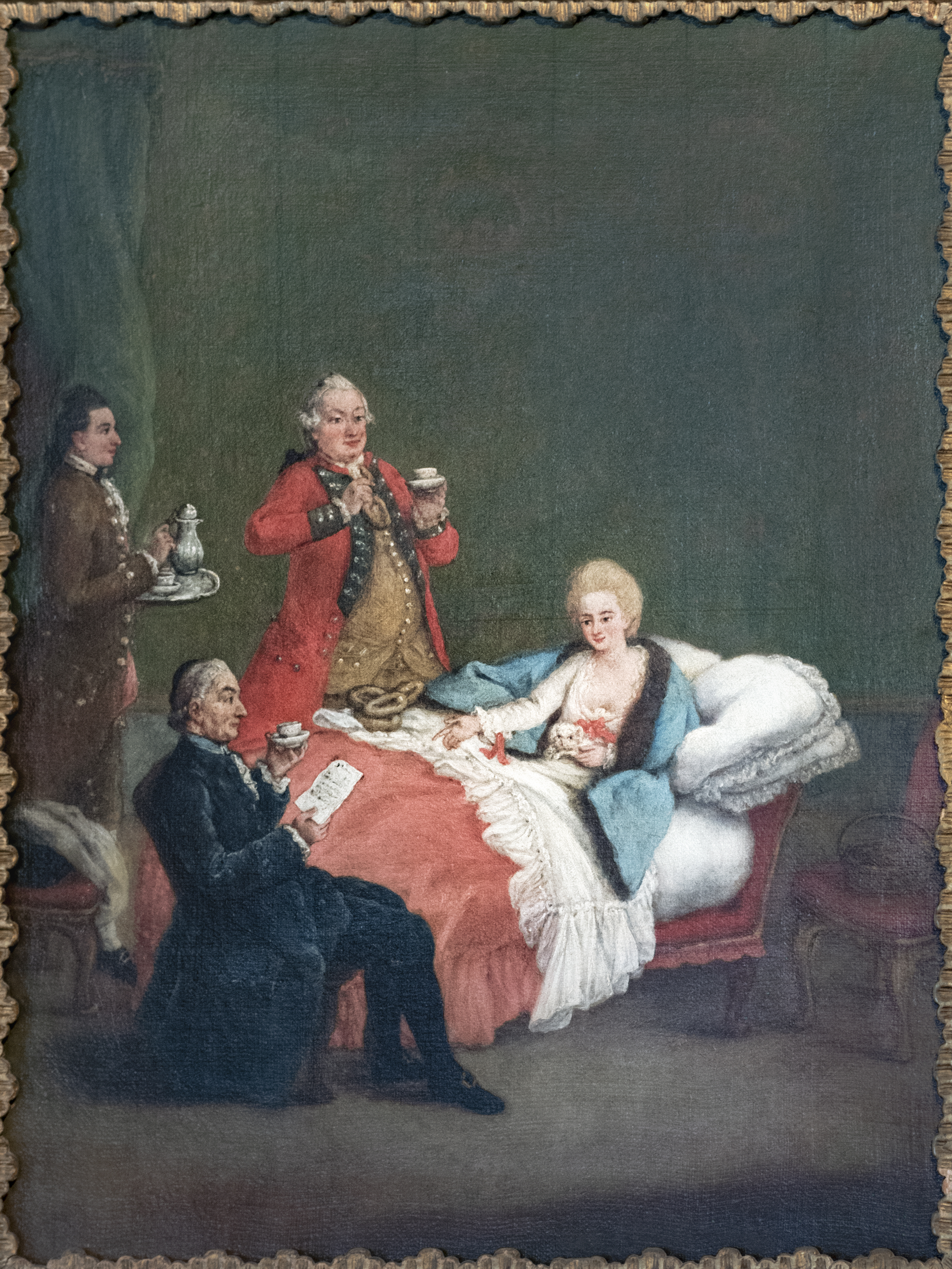
The history of chocolate originates in Mesoamerica where the cacao bean was first domesticated. Initially consumed as a bitter, often spiced beverage by elite…
Contents
Overview
The story of chocolate begins in the humid rainforests of present-day Mexico, where the cacao tree (Theobroma cacao) was first domesticated. Early evidence points to its ceremonial use by the Olmec civilization, who prepared a bitter, frothy beverage from fermented cacao beans. This tradition was inherited and expanded by the Maya, who revered cacao as a divine gift, incorporating it into religious rituals, medicinal practices, and even using beans as currency. The Aztecs later adopted cacao, calling it 'xocolatl,' a name that would echo through centuries, and it remained a prized, often exclusive, drink for royalty and warriors. The arrival of Christopher Columbus in the Americas in 1502, and subsequently Hernán Cortés in 1519, introduced Europeans to this exotic bean, though its initial reception was lukewarm due to its bitterness. It wasn't until the 17th century that chocolate, sweetened with sugar and spices, began its ascent as a fashionable beverage among European aristocracy, a far cry from its ancient Mesoamerican roots.
⚙️ From Bean to Bar: The Process
The transformation of cacao beans into the chocolate we recognize today involves a complex, multi-stage process. After harvesting pods from cacao trees, the beans and pulp are fermented for several days, a crucial step that develops the characteristic flavor precursors. These fermented beans are then dried, cleaned, and roasted, which further enhances their aroma and taste. Roasting is followed by winnowing, where the shells are removed to expose the nibs. These nibs are then ground, often in stone or ball mills, to create a thick liquid paste known as chocolate liquor. This liquor is then refined and conched – a process of prolonged mixing and aeration developed by Rodolphe Lindt in 1879 – to achieve a smooth texture and mellow flavor. Finally, sugar, cocoa butter, and sometimes milk solids are added, and the mixture is tempered and molded into bars or other forms. Each step, from the specific fermentation time to the conching duration, significantly impacts the final product's flavor profile and mouthfeel, a testament to the blend of art and science in chocolate making.
📊 Key Facts & Numbers
The global chocolate market is a colossal enterprise, valued at an estimated $130 billion USD in 2023, with projections to reach $180 billion by 2028. Approximately 70% of the world's cacao is produced in West Africa, with Côte d'Ivoire and Ghana being the top two producing nations, accounting for roughly 60% of global supply. A single cacao tree can produce between 20 to 50 pods per year, each containing about 30-40 beans. It takes approximately 400-500 dried cacao beans to make one pound (0.45 kg) of chocolate. The average American consumes about 9.9 pounds (4.5 kg) of chocolate annually, while Europeans, particularly the Swiss, lead per capita consumption at over 19 pounds (8.6 kg) per person per year. The market for dark chocolate, often lauded for its higher cacao content and potential health benefits, has seen a significant surge in recent years, growing at a compound annual growth rate (CAGR) of over 7%.
👥 Key People & Organizations
The history of chocolate is punctuated by influential figures and pioneering organizations. Hernán Cortés is often credited with introducing cacao to Spain in the early 16th century, initiating its European journey. Coenraad van Houten, a Dutch chemist, revolutionized chocolate production in 1828 with his invention of the cocoa press, which separated cocoa butter from cocoa solids, making chocolate powder and solid chocolate bars possible. Rodolphe Lindt further refined the process with his invention of the conching machine in 1879, dramatically improving chocolate's texture and flavor. Major chocolate manufacturers like The Hershey Company, founded by Milton Hershey in 1894, and Mars, Incorporated, established by Frank Mars in 1911, played instrumental roles in mass-producing and popularizing chocolate confectionery worldwide. The International Cocoa Organization (ICCO) is a key intergovernmental body that works to improve conditions in the cocoa economy, addressing issues of sustainability and fair trade.
🌍 Cultural Impact & Influence
Chocolate's cultural impact is profound and multifaceted, extending far beyond its role as a mere confection. In its early history, it was a symbol of status and power, reserved for the elite in Mesoamerican and European societies. Its association with celebration is undeniable, featuring prominently in holidays like Christmas, Easter, and Valentine's Day globally. Chocolate has also been woven into art, literature, and film, often symbolizing love, comfort, or even temptation. The rise of the craft chocolate movement, championed by small-batch producers like Dandelion Chocolate and Mast Brothers, has elevated chocolate to an artisanal foodstuff, akin to wine or coffee, emphasizing origin, terroir, and meticulous production. This shift reflects a broader cultural appreciation for complex flavors and ethical sourcing, transforming chocolate from a simple treat into an object of culinary connoisseurship.
⚡ Current State & Latest Developments
The chocolate industry is currently navigating a dynamic period marked by increasing consumer demand for ethical sourcing and sustainability, alongside ongoing efforts to combat climate change impacts on cacao cultivation. Companies like Mondelēz International and Nestlé are investing heavily in traceability programs and farmer support initiatives, responding to consumer pressure and regulatory trends. The rise of direct-to-consumer (DTC) chocolate brands, leveraging online platforms like Etsy and their own websites, continues to challenge traditional retail models. Innovations in plant-based chocolate, utilizing alternatives to dairy milk, are also gaining significant traction, catering to a growing vegan and lactose-intolerant market. Furthermore, research into the potential health benefits of flavanols found in cacao continues to influence product development, with a focus on higher cacao content and reduced sugar formulations.
🤔 Controversies & Debates
The history of chocolate is not without its controversies, most notably concerning labor practices in cacao-producing regions. Allegations of child labor and forced labor on cacao farms, particularly in West Africa, have persisted for decades, leading to significant scrutiny of major chocolate manufacturers like Hershey and Mars. While organizations like the Fair Trade Certified and Rainforest Alliance work to promote ethical sourcing, the complexity of global supply chains makes complete eradication of these issues challenging. Another ongoing debate revolves around the environmental impact of cacao farming, including deforestation and water usage, prompting calls for more sustainable agricultural practices and certifications. The health claims associated with dark chocolate also face debate, with some studies highlighting benefits of flavanols while others caution against high sugar and fat content in many commercial products.
🔮 Future Outlook & Predictions
The future of chocolate is likely to be shaped by continued advancements in sustainable agriculture and ethical sourcing. Expect to see a greater emphasis on climate-resilient cacao varieties and regenerative farming techniques, potentially supported by blockchain technology for enhanced supply chain transparency, as pioneered by companies like Open Food Chain. The demand for personalized chocolate experiences, perhaps through AI-driven flavor recommendations or customized bar creation, could also rise. Furthermore, ongoing research into the neurochemical effects of chocolate may unlock new applications beyond simple indulgence, potentially in areas of mood enhancement or cognitive function, though this remains speculative. The industry will also likely see further consolidation among major players, alongside continued growth in the niche craft chocolate sector, creating a bifurcated market catering to different consumer
💡 Practical Applications
Chocolate has a variety of practical applications, extending beyond its consumption as a food. In its liquid form, known as chocolate liquor, it is a fundamental ingredient in the production of all chocolate products. Cocoa butter, extracted during processing, is used extensively in cosmetics and pharmaceuticals for its moisturizing properties. The stimulating effects of theobromine, a compound found in cacao, have led to its exploration in functional foods and beverages aimed at improving mood and energy levels. Furthermore, the rich aroma and flavor profile of chocolate make it a popular ingredient in baking, confectionery, and even savory dishes, showcasing its versatility in culinary arts.
Key Facts
- Category
- history
- Type
- topic