
Contents
Overview
A clean air initiative encompasses a broad spectrum of organized efforts, policies, and actions aimed at reducing air pollution and its detrimental effects on human health, ecosystems, and the climate. These initiatives range from local community-driven projects to international governmental agreements, all striving to improve air quality. They often involve setting emission standards for industries and vehicles, promoting renewable energy sources, developing sustainable transportation, and implementing monitoring systems to track pollution levels. The scale of the problem is immense, with the WHO estimating that 99% of the global population breathes air that exceeds WHO guideline limits, leading to millions of premature deaths annually. Key drivers for these initiatives include growing scientific understanding of pollution's health impacts, public demand for healthier environments, and the interconnectedness of air quality with climate change mitigation. The effectiveness of these initiatives is a subject of ongoing debate, with successes often localized and challenges persisting due to economic, political, and technological hurdles.
🎵 Origins & History
The concept of actively improving air quality has roots stretching back centuries, with early attempts to regulate smoke from industrial processes in London dating as far back as the 13th century. Modern clean air initiatives gained significant momentum in the mid-20th century. In the United States, federal standards for air pollutants were established and the Environmental Protection Agency (EPA) was empowered to enforce them. International cooperation began to solidify with the establishment of the United Nations Environment Programme (UNEP) in 1972, which began coordinating global efforts on environmental issues, including air pollution.
⚙️ How It Works
Clean air initiatives operate through a multi-pronged approach, typically involving regulatory frameworks, technological advancements, and public engagement. At the core are emission standards set for various sources, including industrial facilities, power plants, and motor vehicles, often enforced by governmental bodies like the EPA in the US or the European Environment Agency in Europe. These regulations drive the adoption of cleaner technologies, such as catalytic converters for cars and scrubbers for industrial smokestacks. Furthermore, initiatives promote a transition to cleaner energy sources, like solar and wind power, to reduce reliance on fossil fuels, a major contributor to air pollution. Public awareness campaigns and educational programs, often spearheaded by non-governmental organizations like Greenpeace and the NRDC, play a crucial role in fostering public support and encouraging behavioral changes, such as using public transport or reducing energy consumption.
📊 Key Facts & Numbers
The scale of air pollution and the scope of clean air initiatives are staggering. Globally, PM2.5 is a particularly dangerous pollutant. The economic cost of air pollution, including healthcare expenses and lost productivity, is estimated to be trillions of dollars annually worldwide, underscoring the financial imperative for robust clean air policies.
👥 Key People & Organizations
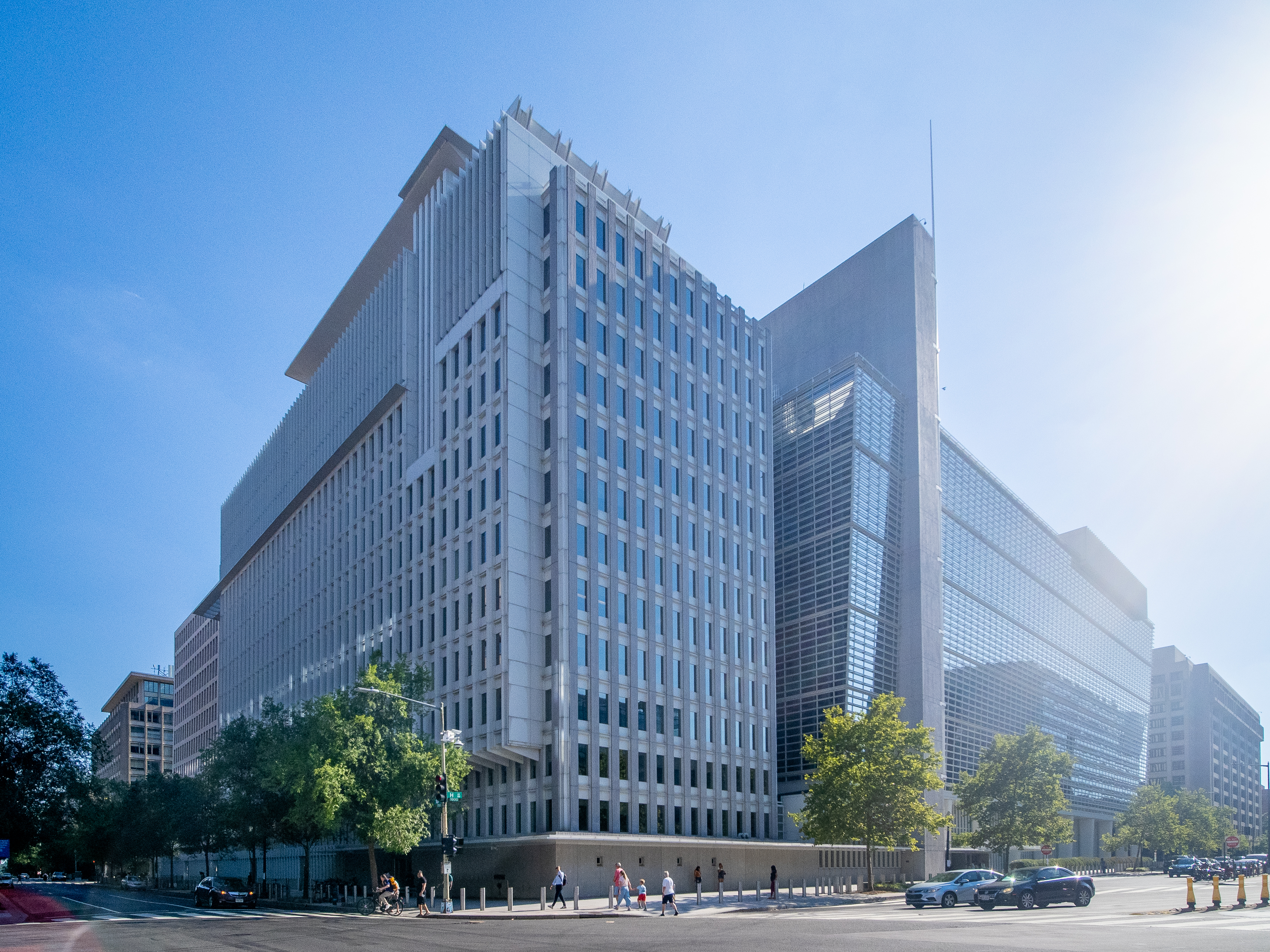
Numerous individuals and organizations have been instrumental in driving clean air initiatives. Dr. Devra Davis, an epidemiologist and author, has been a vocal advocate for stronger air quality regulations, particularly concerning secondhand smoke and its broader environmental impacts. The Environmental Defense Fund (EDF) has a long history of working with industry and government to develop innovative solutions for reducing pollution, including advocating for stricter mercury emission standards. On the international stage, organizations like the World Bank Group provide significant funding and technical assistance for air quality projects in developing nations, recognizing the disproportionate impact of pollution on vulnerable populations. The UNEP plays a pivotal role in setting global agendas and facilitating international agreements, such as the Montreal Protocol which successfully phased out ozone-depleting substances, a related environmental success story.
🌍 Cultural Impact & Influence
Clean air initiatives have profoundly shaped public consciousness and policy-making, fostering a global dialogue on environmental health. The visual evidence of smog in major cities, once a common sight, has diminished in many developed nations due to regulatory successes, though it persists and worsens in others. This shift has influenced urban planning, leading to increased investment in public transportation, cycling infrastructure, and green spaces in cities like Copenhagen and Amsterdam. The movement has also spurred innovation in green technologies, creating new industries and jobs in renewable energy, electric vehicles, and pollution control equipment. Furthermore, the framing of air pollution as a public health crisis, rather than just an environmental issue, has mobilized a broader coalition of stakeholders, including healthcare professionals and community groups, amplifying the call for action and influencing electoral outcomes in various regions.
⚡ Current State & Latest Developments
The COVID-19 pandemic initially led to significant, albeit temporary, reductions in air pollution in many urban centers due to lockdowns, highlighting the direct link between human activity and air quality. However, the subsequent economic recovery has seen emissions rebound in some areas. Emerging concerns include the impact of wildfires, exacerbated by climate change, on air quality across vast regions. Simultaneously, advancements in air quality monitoring technology, including low-cost sensors and satellite data analysis, are providing more granular and accessible information, empowering citizens and policymakers. The push for electrification of transportation, driven by companies like Tesla and BYD, continues to be a major focus, alongside efforts to decarbonize heavy industry and agriculture.
🤔 Controversies & Debates
The effectiveness and equity of clean air initiatives are subjects of intense debate. Critics often point to the economic costs associated with stringent regulations, arguing they can stifle industrial growth and disproportionately burden developing nations or lower-income communities. The concept of 'environmental justice' is central to these discussions, as marginalized communities frequently bear the brunt of pollution due to historical siting of industrial facilities and highways. There's also debate over the efficacy of certain policies; for instance, the effectiveness of carbon taxes versus cap-and-trade systems is a persistent discussion among economists and policymakers. Furthermore, the challenge of transboundary pollution, where emissions from one country affect air quality in another, highlights the complexities of international cooperation and the difficulty in assigning responsibility and enforcing agreements, as seen in ongoing disputes between countries in South Asia.
🔮 Future Outlook & Predictions
The future of clean air initiatives is likely to be shaped by a confluence of technological innovation, evolving policy landscapes, and increasing public awareness. Experts predict a continued acceleration in the adoption of electric vehicles and renewable energy sources, driven by both regulatory pressure and declining costs. Innovations in carbon capture and storage technologies, while still nascent, could play a role in mitigating emissions from hard-to-abate sectors. There is also a growing focus on 'nature-based solutions,' such as urban greening
💡 Practical Applications
Clean air initiatives are put into practice through a variety of methods. Regulatory bodies establish and enforce emission standards for industries and vehicles. Technological innovation is crucial, leading to the development of cleaner fuels, more efficient engines, and advanced pollution control systems. Public awareness campaigns and educational programs aim to foster behavioral changes, such as increased use of public transportation and reduced energy consumption. Furthermore, international agreements and collaborations facilitate the sharing of best practices and resources, particularly for developing nations. Urban planning also plays a role, with cities investing in green infrastructure and sustainable transportation networks.
Key Facts
- Category
- movements
- Type
- topic