
Contents
Overview
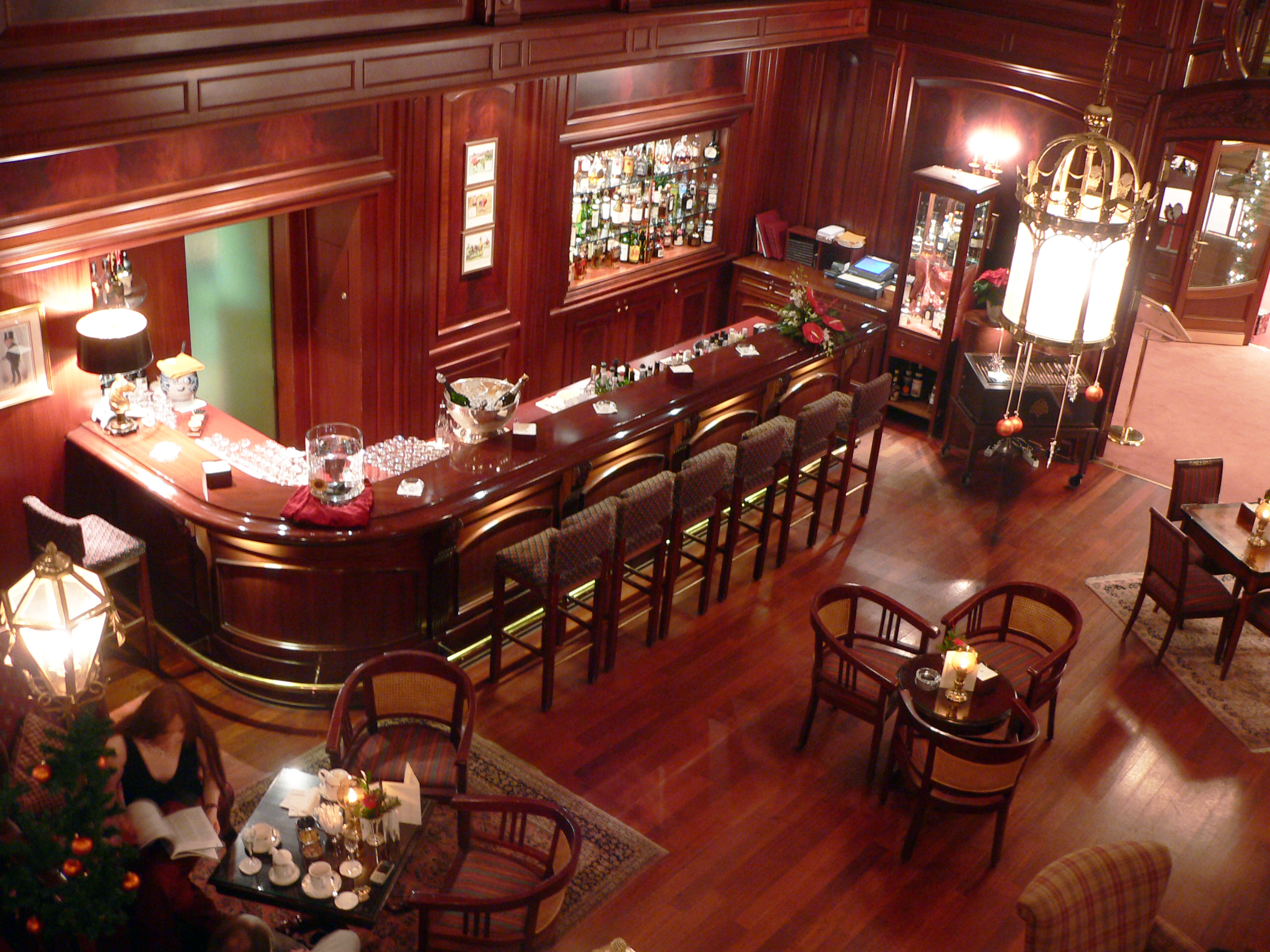
Cocktail bars are establishments dedicated to the craft of mixed drinks, elevating the simple act of serving alcohol into an art form. Unlike a casual pub or a nightclub focused on volume, these venues prioritize the quality, creativity, and presentation of cocktails, often featuring skilled bartenders who are as much performers as mixologists. They represent a spectrum from speakeasy-style intimate dens to sleek, modern lounges, each cultivating a distinct 'vibe' through decor, music, and service. The modern cocktail bar movement, which gained significant momentum in the early 21st century, draws heavily on historical precedents, reviving classic recipes while pushing boundaries with innovative ingredients and techniques. These spaces are not merely about consumption; they are destinations for experience, conversation, and the appreciation of a meticulously prepared beverage, contributing significantly to urban nightlife and the broader culture of hospitality.
🎵 Origins & History
The genesis of the cocktail bar is intrinsically linked to the evolution of mixed drinks themselves. While rudimentary forms of serving mixed spirits existed for centuries, the modern cocktail bar truly began to take shape in the late 19th and early 20th centuries, particularly in the United States. The term 'cocktail' itself gained traction around the turn of the 19th century. Prohibition in the United States (1920-1933) paradoxically fueled a clandestine cocktail culture in speakeasies, where illicit spirits were masked with juices and syrups, honing the skills of bartenders and fostering a demand for sophisticated drinks. Post-Prohibition, the cocktail bar saw a resurgence, though it often took a backseat to simpler drinking establishments until the 'cocktail renaissance' of the late 20th and early 21st centuries.
⚙️ How It Works
At its core, a cocktail bar operates on the principle of expertly combining spirits, liqueurs, bitters, sweeteners, and other flavorings to create a balanced and palatable drink. The process involves precise measurement, specific techniques like shaking, stirring, or building, and often garnishing for visual appeal and aromatic enhancement. Beyond the mechanics of mixing, a successful cocktail bar cultivates an atmosphere—a 'vibe'—through its interior design, lighting, music selection, and the demeanor of its staff. Bartenders in these establishments are trained not just in recipes but in hospitality, engaging with patrons, understanding their preferences, and guiding them through the menu. The inventory is crucial, featuring a curated selection of premium spirits, artisanal bitters, fresh juices, and unique syrups.
📊 Key Facts & Numbers
The global cocktail bar industry is a multi-billion dollar market, with revenues for specialized cocktail bars often exceeding those of general bars due to higher price points per drink. The top 50 cocktail bars globally, as ranked by The World's 50 Best Bars list, generate tens of millions in annual revenue collectively, with individual establishments often reporting revenues upwards of $5 million USD. This premium pricing reflects the cost of high-quality ingredients, skilled labor, and the overall experience.
👥 Key People & Organizations
Key figures in the cocktail bar world include pioneers like Harry Johnson, author of the first comprehensive bartender's guide, and modern icons such as Dale DeGroff, often credited with igniting the modern cocktail renaissance. Organizations like the United States Bartenders' Guild (USBG) and International Bartenders Association (IBA) play crucial roles in setting standards, providing education, and fostering community. Prominent cocktail bars that have shaped the industry include Death & Co in New York, The Speakeasy Group's establishments in Australia, and Nightjar in London, each recognized for their distinct contributions to mixology and bar culture.
🌍 Cultural Impact & Influence
Cocktail bars have profoundly influenced urban culture, becoming central hubs for social interaction, date nights, and professional networking. They've elevated the perception of drinking from mere indulgence to an appreciation of culinary and artistic craft. The aesthetic of cocktail bars—from their vintage-inspired decor to their modern, minimalist designs—has also seeped into broader interior design trends. Furthermore, the emphasis on fresh ingredients and artisanal spirits in cocktail bars has paralleled and sometimes driven trends in the wider food and beverage industry, encouraging a focus on provenance and quality. The rise of cocktail culture has also spurred a demand for high-quality glassware, bar tools, and premium spirits, impacting manufacturers like Riedel and St. George Spirits.
⚡ Current State & Latest Developments
The current landscape of cocktail bars is characterized by hyper-specialization and a continued drive for innovation. We're seeing a rise in bars focusing on specific spirits (e.g., agave-focused bars like Paloma in Berlin), unique flavor profiles (e.g., savory cocktails), and sustainable practices, such as minimizing waste and using locally sourced ingredients. Virtual cocktail experiences and at-home cocktail kits continue to influence how consumers engage with mixed drinks. Technology is also playing a role, with some bars experimenting with AI-driven menu recommendations or advanced barware. The competitive nature of the industry means constant evolution, with bars like Atlas in Singapore pushing boundaries with extravagant decor and rare spirits.
🤔 Controversies & Debates
Debates within the cocktail bar world often center on authenticity versus innovation. Critics sometimes argue that the pursuit of overly complex or 'molecular' mixology detracts from the fundamental pleasure of a well-made drink, a sentiment echoed in discussions about the 'over-crafting' of cocktails. Another point of contention is the pricing of premium cocktails, with some arguing that the high cost is exclusionary. The ethical sourcing of ingredients and spirits, as well as labor practices within bars, are also subjects of ongoing discussion, particularly concerning fair wages and working conditions for bartenders. The definition of a 'true' cocktail bar versus a bar that simply serves cocktails is also a recurring theme, with purists emphasizing the dedication to the craft.
🔮 Future Outlook & Predictions
The future of cocktail bars appears to be one of continued refinement and experiential focus. We can anticipate a greater integration of technology, not just in ordering but in personalized drink creation and immersive sensory experiences. Sustainability will likely become an even more dominant theme, with bars actively marketing their eco-friendly practices. Expect to see more bars exploring non-alcoholic (mocktail) menus with the same level of creativity and complexity as their alcoholic counterparts, catering to a growing sober-curious demographic. Furthermore, the influence of global culinary trends will likely lead to even more adventurous flavor combinations and ingredient sourcing, potentially blurring the lines between cocktail bars and high-end restaurants. The 'vibe' will remain paramount, with bars competing on unique atmospheres and storytelling.
💡 Practical Applications
Cocktail bars serve as practical laboratories for culinary innovation and hospitality training. They provide a platform for bartenders to experiment with new flavor pairings, techniques, and presentations, many of which eventually filter into home bartending and restaurant menus. For consumers, they offer a curated experience, allowing exploration of diverse spirits and flavor profiles under expert guidance. Beyond direct consumption, cocktail bars are vital components of the hospitality industry, driving tourism, employment, and local economies. They also serve as educational spaces, teaching patrons about the history of spirits, the nuances of different ingredients, and the art of mixology, fostering a more informed and appreciative consumer base. The development of signature cocktails for events or brands is another practical application, extending the influence of cocktail bars into marketing and corporate events.
Key Facts
- Category
- culture
- Type
- topic