
Contents
Overview
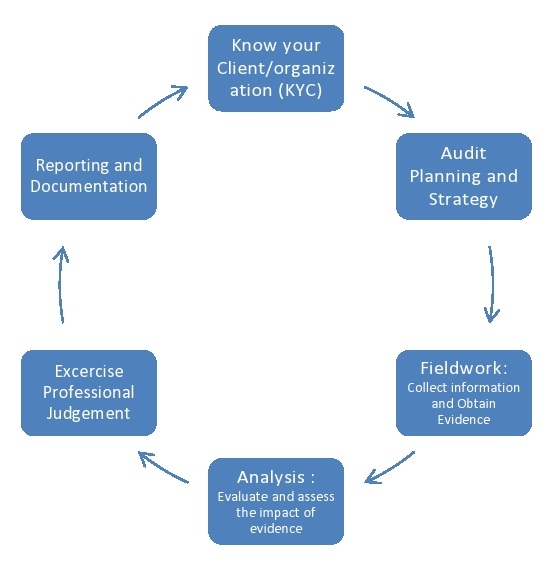
Compliance audits are systematic, independent assessments designed to verify an organization's adherence to a specific set of rules, regulations, standards, or internal policies. These audits are crucial for mitigating risks, avoiding penalties, and maintaining stakeholder trust. They can span a vast array of domains, from financial reporting under SOX to data privacy under GDPR, and even operational procedures like ISO 9001 quality management. The process typically involves planning, fieldwork (gathering evidence through interviews, document review, and testing), analysis, and reporting findings, often culminating in recommendations for corrective action. The increasing complexity of global regulations and the digital transformation of business operations have amplified the importance and scope of compliance audits, making them a cornerstone of modern corporate governance and risk management strategies. Organizations that fail to conduct thorough and regular compliance audits face significant financial penalties, reputational damage, and potential legal repercussions.
🎵 Origins & History
The concept of formal oversight and verification predates modern corporate structures. The modern compliance audit as a distinct discipline began to coalesce in the early 20th century, driven by the increasing complexity of business and the need for standardized financial reporting. Landmark legislation like the FCPA and the SOX further expanded the scope and rigor of compliance auditing, particularly concerning internal controls and financial integrity. Early pioneers like Arthur Andersen, Deloitte, Ernst & Young, and PwC (then Price Waterhouse and Coopers & Lybrand) laid the groundwork for the audit profession, developing methodologies and ethical standards that continue to evolve.
⚙️ How It Works
A compliance audit typically follows a structured methodology. It begins with defining the scope and objectives, identifying the specific regulations, standards, or policies to be audited. The audit team then plans the approach, including the audit criteria, sampling methods, and resources required. During the fieldwork phase, auditors gather evidence through document review (policies, procedures, records), interviews with key personnel, observation of processes, and testing of controls. This evidence is analyzed to determine whether the organization's practices conform to the established criteria. Findings are documented, including any non-compliance issues, and a report is prepared, often including recommendations for remediation. The final stage involves follow-up to ensure that corrective actions have been effectively implemented. Tools like GRC software are increasingly used to streamline this process, manage evidence, and track remediation efforts.
📊 Key Facts & Numbers
The global compliance market is substantial. In the US alone, the Sarbanes-Oxley Act of 2002 imposed significant costs on public companies. For data privacy, the financial imperative for GDPR and CCPA compliance is underscored by the costs associated with data breaches. Financial institutions face particularly stringent oversight. The healthcare industry's compliance costs, driven by regulations like HIPAA, are also significant, with fines for violations often reaching millions of dollars.
👥 Key People & Organizations
Key organizations driving the compliance audit landscape include regulatory bodies like the FINRA in the US, the ECB in Europe, and the ISO which sets international standards. Major accounting and consulting firms, such as Deloitte, PwC, EY, and KPMG, are primary providers of external compliance audit services. Within organizations, internal audit departments, often led by a Chief Audit Executive (CAE), are responsible for independent assessments of internal controls and compliance. The Institute of Internal Auditors (IIA) also plays a crucial role in setting professional standards and providing certifications.
🌍 Cultural Impact & Influence
Compliance audits have profoundly shaped corporate culture and operational practices worldwide. They have fostered a greater emphasis on transparency, accountability, and ethical conduct, moving organizations from a reactive approach to compliance to a more proactive risk management posture. The widespread adoption of ISO 27001 for information security, for example, has led to a global uplift in data protection practices. Similarly, the scrutiny brought by financial audits under SOX has forced companies to strengthen their internal control environments, impacting everything from financial reporting to IT governance. The public perception of companies is also heavily influenced by their compliance record; breaches or failures can lead to significant reputational damage, impacting customer loyalty and investor confidence. This has created a 'compliance-as-a-competitive-advantage' mindset for many forward-thinking organizations.
⚡ Current State & Latest Developments
The current state of compliance audits is characterized by rapid technological integration and an expanding regulatory universe. The rise of AI and machine learning is transforming audit methodologies, enabling more sophisticated data analytics, continuous monitoring, and automated testing. The increasing volume and complexity of regulations, particularly in areas like cybersecurity, data privacy (GDPR, CCPA), and environmental, social, and governance (ESG) reporting, are placing immense pressure on organizations. Many companies are adopting GRC platforms to manage these complexities more effectively. The COVID-19 pandemic also accelerated the adoption of remote auditing techniques, leveraging digital tools for evidence gathering and communication. Regulatory bodies are also increasingly leveraging technology to monitor compliance, leading to more data-driven enforcement actions.
🤔 Controversies & Debates
A significant controversy surrounding compliance audits revolves around their effectiveness and cost-benefit ratio. Critics argue that audits can be overly burdensome and expensive, especially for small and medium-sized enterprises (SMEs), without always guaranteeing prevention of fraud or misconduct, as evidenced by the Enron scandal and the collapse of Arthur Andersen. The independence of external auditors is another persistent concern, particularly given the significant fees they receive from audit clients, raising questions about potential conflicts of interest. Furthermore, the 'tick-box' mentality can lead to audits focusing on superficial compliance rather than genuine risk mitigation. The debate also extends to the scope of audits: should they focus solely on regulatory adherence, or also encompass broader ethical and societal responsibilities, such as those related to ESG factors?
🔮 Future Outlook & Predictions
The future of compliance audits is poised for further technological integration and a broadening scope. Expect to see a greater reliance on AI and big data analytics for predictive compliance and continuous auditing, moving beyond periodic checks. The focus will likely shift from merely checking boxes to assessing the effectiveness of controls and the overall risk management culture within an organization. The increasing global emphasis on ESG factors will drive the development of new audit frameworks and standards for sustainability reporting. Furthermore, as cyber threats evolve, cybersecurity compliance audits will become even more critical and sophisticated, potentially incorporating real-time threat intelligence. The challenge will be to balance technological advancement with human judgment and ethical considerations to ensure audits remain relevant and effective.
💡 Practical Applications
Compliance audits have myriad practical applications across virtually every industry. In finance, they ensure adherence to regulations like [[basel-iii|Ba
Key Facts
- Category
- technology
- Type
- topic