
Contents
Overview
The composting process is a controlled biological decomposition of organic materials, primarily driven by microorganisms like bacteria, fungi, and actinomycetes. This natural phenomenon transforms waste products—such as food scraps, yard trimmings, and manure—into a nutrient-rich soil amendment known as compost. Essential to the process are four key ingredients: organic matter (the 'food'), oxygen (for aerobic decomposition), moisture (to sustain microbial life), and a balanced carbon-to-nitrogen ratio. When these elements are optimized, the result is a stable, humus-like material that enhances soil structure, fertility, and water retention, while significantly reducing waste volume. The global composting market was valued at approximately $1.5 billion in 2022, underscoring its growing importance in waste management and sustainable agriculture.
🎵 Origins & History
The roots of composting stretch back millennia, with ancient civilizations like the Romans and Egyptians practicing rudimentary forms of organic waste recycling to enrich their soils. Formal scientific inquiry began in the late 19th century. Ehrenfried Pfeiffer in Europe was also advancing scientific understanding of the process, particularly its microbial aspects. The mid-20th century saw a surge in interest, driven by concerns over landfill capacity and a growing awareness of soil health, leading to the establishment of early municipal composting facilities and the popularization of home composting techniques in the post-war era.
⚙️ How It Works
At its heart, the composting process is a carefully managed ecosystem for decomposers. Organic materials, rich in carbon and nitrogen, are piled or placed in bins. Microorganisms, present naturally on the materials, begin to break down the complex organic molecules. For optimal aerobic composting—the most efficient and odor-free method—the pile needs a balance of carbon-rich 'browns' (like dried leaves, straw, or cardboard) and nitrogen-rich 'greens' (like food scraps, grass clippings, or manure). The compost pile must be kept moist, akin to a wrung-out sponge, and aerated, either through manual turning or passive airflow systems, to prevent anaerobic conditions which lead to foul odors and slower decomposition.
📊 Key Facts & Numbers
Globally, an estimated 30-50% of household waste is compostable organic material, representing a staggering volume. In the United States alone, yard trimmings and food scraps constitute over 30% of the municipal solid waste stream, according to the Environmental Protection Agency (EPA). Composting can reduce the volume of this waste by 50-75%. The global compost market was valued at approximately $1.5 billion in 2022 and is projected to reach over $2.5 billion by 2030, with a compound annual growth rate (CAGR) of around 6.5%. A single cubic yard of finished compost can contain trillions of beneficial microorganisms. Composting facilities can process hundreds or even thousands of tons of organic waste daily, diverting it from landfills where it would otherwise produce methane, a potent greenhouse gas.
👥 Key People & Organizations
Sir Albert Howard is widely regarded as the "father of modern composting" for his systematic approach and influential writings. Ehrenfried Pfeiffer, a biodynamic agriculturist, also made significant contributions to understanding the microbial and physical aspects of composting in the early to mid-20th century. In the United States, figures like Robert Rodale, founder of Rodale Press, championed organic gardening and composting through publications like Organic Gardening and Farming magazine. Major organizations driving composting initiatives include the US Composting Council, which advocates for composting and compost use, and the Institute for Local Self-Reliance (ILSR), which promotes decentralized composting systems. Municipalities like San Francisco, California have been pioneers in implementing city-wide organic waste collection programs.
🌍 Cultural Impact & Influence
Composting has profoundly influenced agricultural practices, fostering the adoption of organic farming and regenerative agriculture principles. It has shifted perceptions of 'waste' from a problem to a resource, underpinning the circular economy movement. Culturally, it has empowered individuals and communities to take direct action in environmental stewardship through home composting and community gardens. The practice has also inspired a generation of environmentalists and sustainability advocates, from early proponents like Johann Wolfgang von Goethe (who wrote about soil fertility) to contemporary figures promoting waste reduction. Its influence is visible in educational curricula, urban planning, and consumer behavior, promoting a more mindful relationship with natural cycles.
⚡ Current State & Latest Developments
The current state of composting is marked by increasing adoption of large-scale industrial facilities and a growing interest in decentralized, community-based systems. Many cities are expanding curbside collection programs for food scraps and yard waste, driven by landfill diversion mandates and environmental goals. Innovations in composting technology include advanced aerated static pile (ASP) systems and in-vessel composting, which offer faster processing times and better control over conditions. The rise of vermicomposting (worm composting) for smaller-scale operations and the integration of composting into wastewater treatment plants are also significant trends. Furthermore, the use of compost in urban farming and green infrastructure projects is expanding, demonstrating its versatility.
🤔 Controversies & Debates
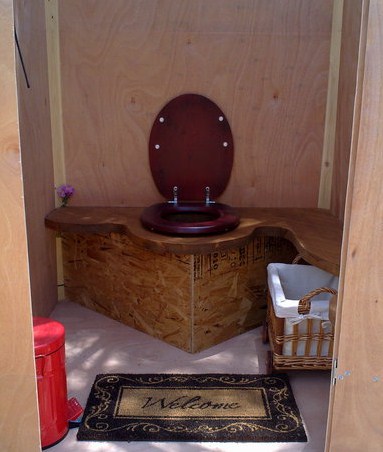
One persistent debate revolves around the safety and efficacy of composting human waste (humanure). Proponents argue it can be done safely with proper management and long retention times to kill pathogens, while critics raise concerns about disease transmission and public health risks, particularly with less controlled systems. Another controversy lies in the definition and regulation of 'compost' itself; variations in feedstock and processing can lead to products with differing nutrient profiles and contaminant levels, sparking debate over quality standards. The economic viability of municipal composting programs also faces scrutiny, with debates over collection costs, market demand for finished compost, and the role of subsidies.
🔮 Future Outlook & Predictions
The future of composting is likely to be shaped by advancements in biotechnology and automation. Expect to see more sophisticated sensors and AI-driven systems for optimizing compost piles, leading to faster decomposition and higher quality output. The integration of composting into smart city infrastructure, with real-time waste tracking and processing, is on the horizon. Furthermore, research into novel feedstocks, such as processed sewage sludge and industrial organic byproducts, will expand the scope of composting. The development of specialized compost products for specific agricultural and horticultural needs, including biochar-enhanced composts, will also likely grow. The push for a truly circular economy will undoubtedly elevate composting's role from waste management to resource recovery.
💡 Practical Applications
Composting has a vast array of practical applications. At the household level, it's a cornerstone of waste reduction and sustainable gardening, turning kitchen scraps and yard waste into valuable fertilizer for gardens and houseplants. Commercially, it's used by farms, landscapers, and nurseries to produce bulk soil amendments. Municipalities employ large-scale composting to manage organic waste from residential and commercial sources, reducing landfill burden and generating revenue from compost sales. In wastewater treatment facilities, biosolids are often composted to create a safe, usable product. Specialized applications include composting for bioremediation of contaminated soils and the creation of green roof substrates.
Key Facts
- Category
- science
- Type
- topic