
Contents
Overview
The genesis of credit card fraud is as old as credit itself, evolving from simple mail order scams in the early 20th century to the complex digital heists of today. Early forms often involved stolen physical cards or forged signatures. The advent of magnetic stripe technology in the 1960s, while a convenience, also introduced new vulnerabilities. By the 1990s, the rise of the internet and e-commerce created fertile ground for 'card-not-present' fraud, where fraudsters use stolen card details without the physical card. The establishment of the PCI DSS by major card networks like Visa and Mastercard marked a significant, albeit reactive, step towards standardizing security protocols across the industry, attempting to curb the escalating losses.
⚙️ How It Works
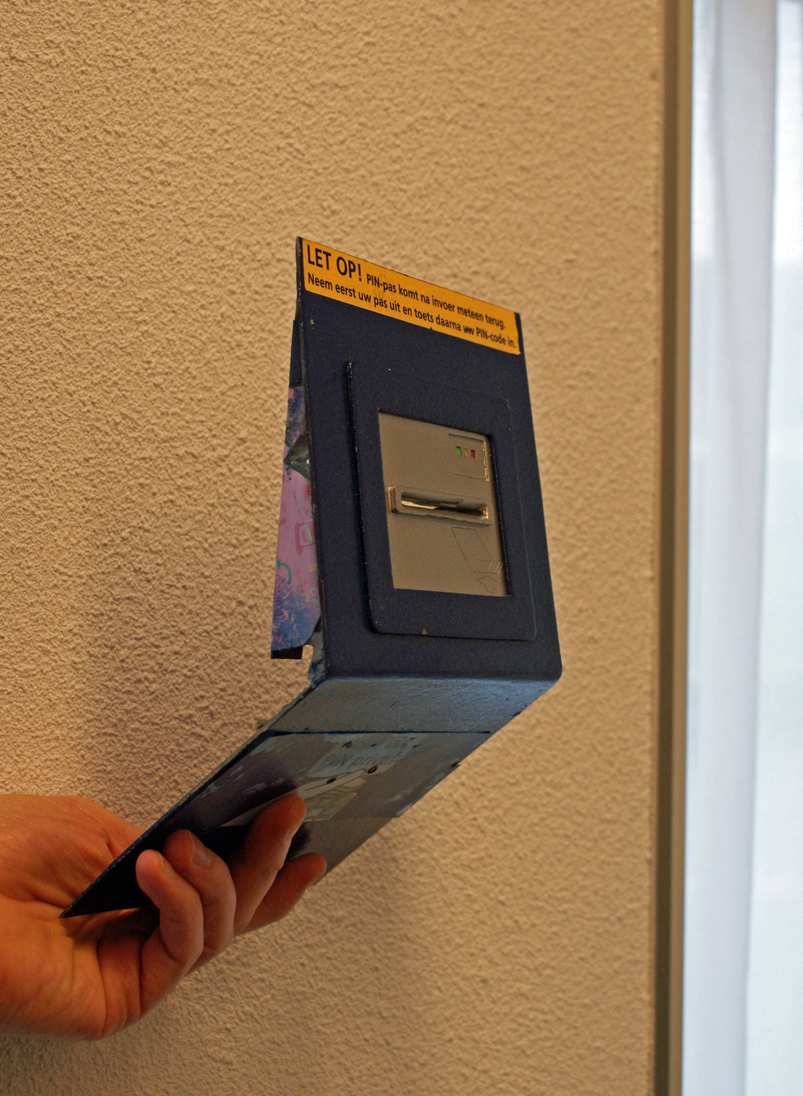
Credit card fraud operates through a variety of methods, often exploiting weaknesses in security protocols or human error. 'Card-present' fraud typically involves physical card skimming devices at POS terminals or counterfeit cards. 'Card-not-present' (CNP) fraud, which dominates online transactions, relies on stolen card numbers, CVV codes, and expiration dates, often acquired through phishing emails, malware, or data breaches from compromised websites like Equifax. Identity theft is also a common precursor, where criminals obtain personal information to apply for new cards in someone else's name. Sophisticated operations might involve botnets to test stolen card numbers or synthetic identities created from fragmented personal data.
📊 Key Facts & Numbers
The financial toll of credit card fraud is astronomical. Losses from payment card fraud are substantial, with card-not-present fraud accounting for a significant portion of these losses in developed markets. Financial institutions and card companies work to prevent a large amount of attempted fraud, though actual losses still occur.
👥 Key People & Organizations
Numerous individuals and organizations are central to the fight against credit card fraud. Visa and Mastercard are pivotal, setting security standards and developing advanced fraud detection systems. Financial institutions like JPMorgan Chase and Bank of America invest heavily in proprietary fraud prevention technologies. Security firms such as VeriSign (now part of Synopsys), FICO, and LexisNexis Risk Solutions provide critical tools and analytics. On the other side, shadowy groups operating on the dark web and organized crime syndicates are responsible for many large-scale breaches and fraud operations, though specific leaders are rarely identified publicly.
🌍 Cultural Impact & Influence
Credit card fraud has profoundly shaped consumer behavior and the digital economy. It fuels a pervasive sense of caution, leading many consumers to adopt security measures like two-factor authentication and vigilant monitoring of bank statements. The constant threat has driven innovation in security technologies, from EMV chip cards to biometric verification via fingerprints and facial recognition. The cultural narrative often features credit card fraud in crime dramas and thrillers, portraying fraudsters as both cunning adversaries and sometimes as anti-heroes, reflecting its deep integration into modern anxieties about privacy and financial security.
⚡ Current State & Latest Developments
The current landscape of credit card fraud is characterized by an escalating arms race. AI and machine learning are now indispensable tools for detecting subtle patterns indicative of fraud in real-time, far surpassing human analytical capabilities. The shift towards contactless payments and mobile wallets like Apple Pay and Google Pay introduces new vectors for fraud but also offers enhanced security through tokenization. Emerging threats include sophisticated account takeover (ATO) attacks and the exploitation of vulnerabilities in the Internet of Things (IoT) ecosystem. Regulatory bodies worldwide are also tightening data protection laws, such as the GDPR in Europe, forcing companies to bolster their defenses.
🤔 Controversies & Debates
Significant controversies surround credit card fraud, particularly concerning data privacy and the effectiveness of security measures. Critics argue that the constant collection of user data for fraud prevention infringes on privacy rights, creating vast databases vulnerable to breaches themselves. The debate over liability also persists: who bears the brunt of fraud losses—the consumer, the merchant, or the financial institution? While many jurisdictions offer consumer protection, merchants often face higher chargeback fees and penalties. Furthermore, the effectiveness of certain security measures, like CAPTCHA tests, is debated, as they can be bypassed by advanced bots and create friction for legitimate users.
🔮 Future Outlook & Predictions
The future of credit card fraud prevention will likely be dominated by even more advanced AI and biometric authentication. Expect a move towards 'frictionless' security, where authentication happens seamlessly in the background using behavioral analysis, device recognition, and continuous monitoring. Blockchain technology may offer new ways to secure transaction records and verify identities, though widespread adoption for payment processing remains a challenge. The battle will continue to shift, with fraudsters adapting to new technologies, potentially exploiting vulnerabilities in decentralized finance (DeFi) or the metaverse. The ultimate goal is a payment system where fraud is not just detected but proactively prevented before it even occurs.
💡 Practical Applications
Credit card fraud prevention techniques have direct practical applications across various sectors. Financial institutions use machine learning models to score transaction risk in real-time, deciding whether to approve, decline, or flag a transaction for further verification. E-commerce platforms employ IP geolocation and device fingerprinting to identify suspicious login attempts or orders. Businesses utilize identity verification services to vet new customers and prevent synthetic identity fraud. Even individuals can apply fraud prevention principles by using strong, unique passwords, enabling two-factor authentication, and regularly reviewing their financial statements for unauthorized activity.
Key Facts
- Category
- technology
- Type
- phenomenon