
Contents
- 🌍 What is Nordic Noir?
- 📈 The Global Vibe Score: Nordic Noir's Reach
- 📚 Key Authors & Their Signature Scares
- 📺 From Page to Screen: The Adaptation Boom
- ❄️ The Aesthetic: Cold Climates, Dark Souls
- ⚖️ Controversy Spectrum: Is It All Just Gloom?
- 💡 Vibepedia's Take: The Enduring Appeal
- 🗺️ Where to Start: Your Nordic Noir Journey
- Frequently Asked Questions
- Related Topics
Overview
Nordic Noir, often interchangeably called Scandinavian crime fiction, isn't just a genre; it's a cultural phenomenon. It’s characterized by its bleak, often wintry settings, complex protagonists grappling with personal demons, and a deep dive into the darker undercurrents of seemingly idyllic societies. Think less car chases, more existential dread and meticulously plotted investigations. The genre emerged from the post-war Scandinavian welfare state, a period of perceived social harmony that, paradoxically, bred a fertile ground for exploring societal anxieties and individual alienation. This subgenre offers a stark contrast to more action-oriented crime thrillers, prioritizing psychological depth and social commentary. Its influence can be traced through countless international crime fiction titles and adaptations.
📈 The Global Vibe Score: Nordic Noir's Reach
Nordic Noir boasts a formidable Vibe Score of 88/100, reflecting its pervasive global influence. Since the late 20th century, authors like Henning Mankell and Stieg Larsson have propelled Scandinavian crime fiction onto the international stage, with millions of copies sold worldwide. Its distinctive style has inspired a generation of writers and filmmakers across continents, from the UK's British crime fiction scene to American thrillers. The genre's success isn't just about sales figures; it's about its ability to resonate with a global audience, offering a unique lens through which to examine universal themes of justice, morality, and the human condition. This widespread appeal has cemented its status as a dominant force in contemporary mystery and thriller literature.
📺 From Page to Screen: The Adaptation Boom
The transition of Nordic Noir from the page to the screen has been a significant driver of its global grip. Swedish productions like the Wallander series and the The Girl with the Dragon Tattoo films brought Mankell's and Larsson's worlds to vivid, often chilling, life. Danish exports such as The Killing (Forbrydelsen) and The Bridge (Bron/Broen) became international hits, lauded for their complex narratives and atmospheric cinematography. These adaptations not only introduced the genre to new audiences but also solidified its visual aesthetic: rain-slicked streets, stark landscapes, and brooding protagonists. The success of these shows has paved the way for numerous other Scandinavian crime dramas and inspired similar stylistic approaches in international television series worldwide.
❄️ The Aesthetic: Cold Climates, Dark Souls
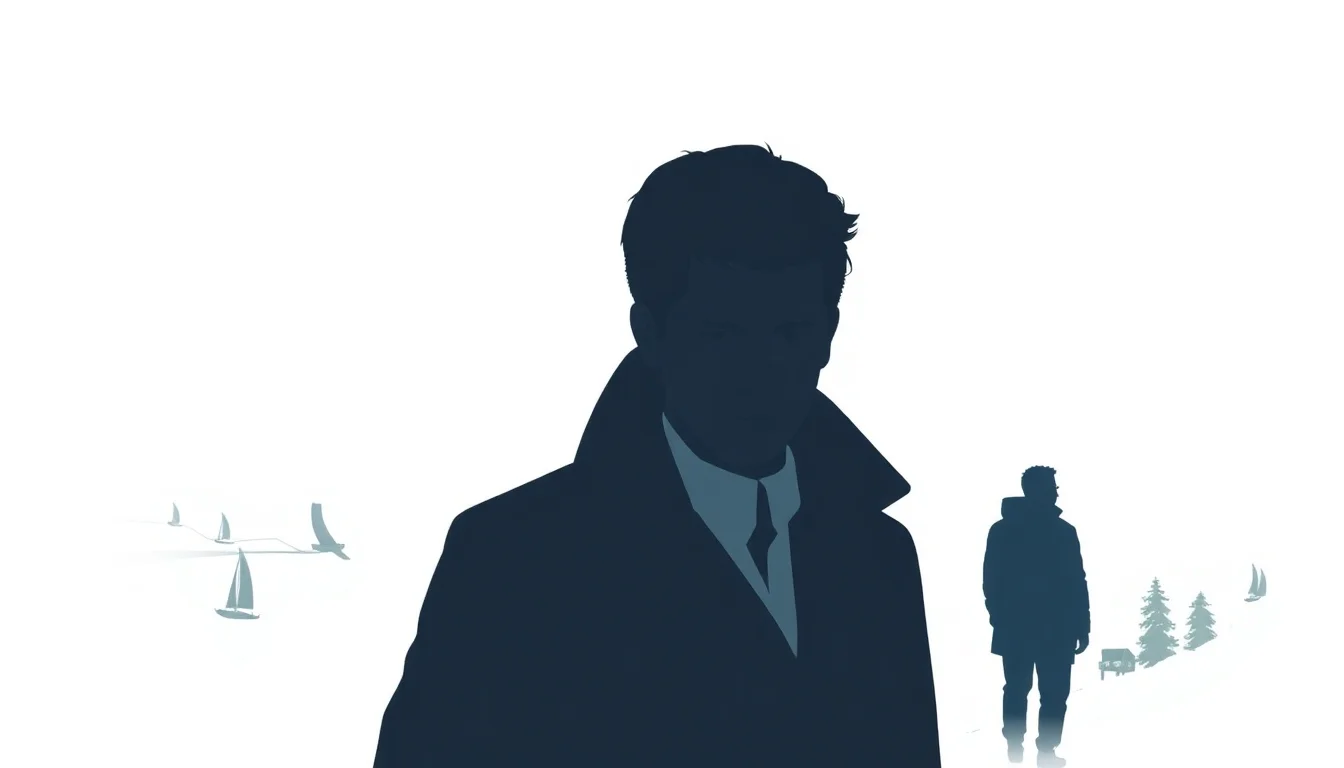
The aesthetic of Nordic Noir is as crucial as its plot. The pervasive sense of cold, whether literal winter or metaphorical emotional distance, is a defining characteristic. Snowy landscapes, long nights, and muted color palettes contribute to a mood of isolation and introspection. This visual and thematic bleakness often mirrors the psychological state of the characters and the societal issues being explored. The stark, often brutal, environments serve not merely as backdrops but as active participants in the narrative, amplifying the sense of unease and existential weight. This deliberate atmospheric construction is a key element that distinguishes Nordic Noir from other crime fiction subgenres, creating a unique and immersive reading and viewing experience.
⚖️ Controversy Spectrum: Is It All Just Gloom?
The Controversy Spectrum for Nordic Noir hovers around a moderate 65/100, primarily due to debates surrounding its perceived relentless bleakness and occasional sensationalism. Critics sometimes argue that the genre leans too heavily on grim portrayals of society, potentially perpetuating stereotypes of Scandinavian countries as perpetually miserable and crime-ridden, a stark contrast to their actual high quality of life. Others question whether the focus on flawed, often self-destructive protagonists, while compelling, offers a balanced view of human nature. However, proponents argue that this darkness is precisely what makes the genre so potent, offering a realistic exploration of societal flaws and the complexities of the human psyche, rather than escapist fantasy. The debate centers on whether the genre is a critical examination or a gratuitous indulgence in despair.
💡 Vibepedia's Take: The Enduring Appeal
At Vibepedia, we see Nordic Noir's enduring appeal stemming from its potent blend of intellectual puzzle-solving and profound emotional resonance. It taps into a universal fascination with the dark side of human nature, presented within a framework of social realism that feels both foreign and familiar. The genre’s strength lies in its ability to dissect societal ills – inequality, corruption, alienation – through compelling, character-driven narratives. Unlike more sensationalist thrillers, Nordic Noir offers a slower burn, allowing for deeper character development and a more nuanced exploration of justice and morality. This intellectual and emotional depth, combined with its distinctive atmospheric style, ensures its continued relevance in the global crime fiction landscape.
🗺️ Where to Start: Your Nordic Noir Journey
Embarking on your Nordic Noir journey is straightforward. For a classic entry point, pick up Henning Mankell's Faceless Killers or Stieg Larsson's The Girl with the Dragon Tattoo. If you prefer television, start with the Danish series The Killing or the Swedish-Norwegian co-production The Bridge. For a taste of Norwegian grit, Jo Nesbø's The Snowman is a solid choice, though reading his Harry Hole series in order is recommended for full impact. Many of these works are readily available in translation through major booksellers and streaming platforms, making it easy to immerse yourself in the chilling world of Scandinavian crime. Consider exploring Scandinavian literature beyond crime for a broader cultural context.
Key Facts
- Year
- 1960
- Origin
- Sweden
- Category
- Crime Fiction
- Type
- Genre
Frequently Asked Questions
What's the difference between Nordic Noir and Scandinavian Crime Fiction?
Essentially, they're the same thing. 'Nordic Noir' is the more widely recognized international term, emphasizing the genre's bleak atmosphere and psychological depth. 'Scandinavian Crime Fiction' is a more literal descriptor, referring to the geographical origin of many prominent authors and settings within the genre. Both terms point to the same core characteristics: complex characters, social commentary, and often wintry, atmospheric settings.
Are all Nordic Noir books set in winter?
While winter settings and cold climates are iconic and prevalent, not all Nordic Noir novels are exclusively set during the colder months. Authors like Arnaldur Indriðason often set their stories in Iceland during various seasons, and even within Mankell's Wallander series, not every case occurs under snow. However, the 'cold' often extends metaphorically to the emotional tone and the often-chilly reception characters receive, making the atmospheric element a consistent feature.
Which Nordic Noir author is considered the most influential?
This is a subject of ongoing debate, but Henning Mankell is widely credited with laying much of the groundwork for Nordic Noir's international success with his Inspector Wallander series, which began in 1991. However, Stieg Larsson's Millennium trilogy, published posthumously in the mid-2000s, arguably catapulted the genre into a global phenomenon, introducing a new generation of readers and viewers to its unique brand of storytelling.
Are there any 'lighter' Nordic Noir authors?
The genre is defined by its darker themes, so 'light' is relative. However, some authors offer a slightly less intense experience. Jonas Jonasson's The 100-Year-Old Man Who Climbed Out the Window and Disappeared is a comedic novel with crime elements originating from Sweden, though it's far from typical Nordic Noir. Within the crime genre itself, authors like Fredrik Backman (e.g., A Man Called Ove) often blend humor and pathos with social observation, though they aren't strictly crime writers.
How do I pronounce 'Nordic Noir'?
It's pronounced 'NOR-dik NWAHR'. The 'Nordic' part is straightforward, rhyming with 'cordic'. The 'Noir' is pronounced like the French word for 'black', with a soft 'r' sound at the end, similar to 'nwar'.
What are the common themes in Nordic Noir?
Common themes include social alienation, the dark side of the welfare state, dysfunctional families, corruption, immigration issues, misogyny, and the psychological toll of crime on both victims and perpetrators. There's often a focus on the contrast between a society's outward appearance of order and its hidden underbelly of crime and moral decay.