
Contents
Overview
Digital music refers to the digital transfer of music from the internet to a user's device, such as a computer or mobile phone. This format has revolutionized the music industry, enabling instant access to a vast library of songs, albums, and artists. With the rise of digital music, traditional physical formats like CDs and vinyl records have seen a decline in sales. According to some sources, streaming services like Spotify and Apple Music have led to significant changes in the music industry. Today, digital music remains a major part of the global music market. The shift to digital music has also changed the way artists create, produce, and distribute their music, with many turning to online platforms to share their work. As the music industry continues to evolve, digital music remains at the forefront, with new technologies like artificial intelligence and blockchain poised to further transform the landscape.
Origins & History
The history of digital music is complex, and its exact origins are unclear. The development of digital audio technology has enabled the creation of new formats and platforms for music distribution. The rise of file-sharing platforms and online music stores has further accelerated the shift to digital music. Today, digital music is a global industry, with major players dominating the market. The influence of various individuals and organizations has been significant in shaping the industry.
How It Works
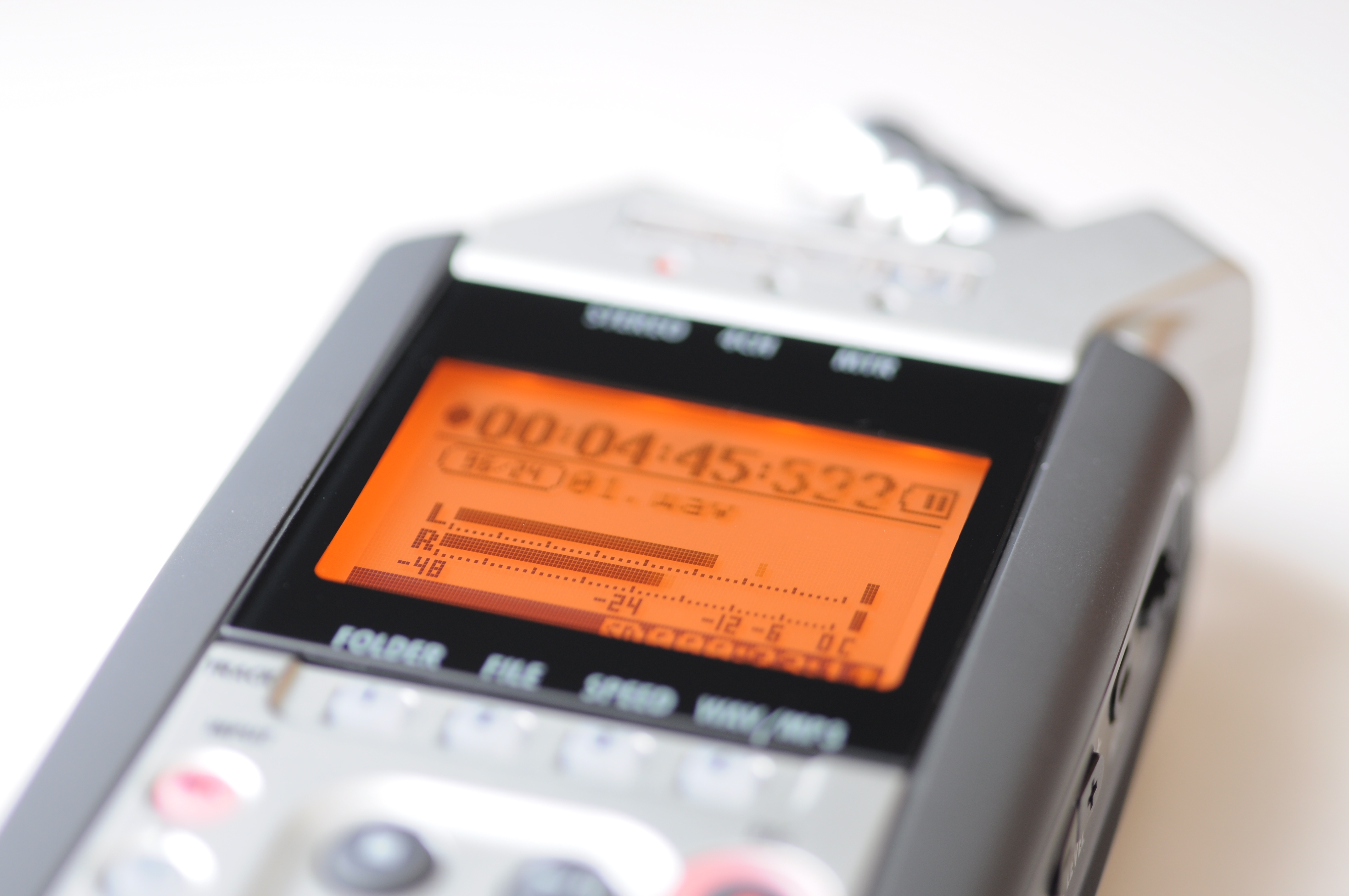
Digital music works by converting analog audio signals into digital signals using analog-to-digital converters (ADCs). These digital signals are then compressed and encoded into formats like MP3, AAC, or FLAC. The encoded files can be stored, transmitted, and played back using a variety of devices, including computers, smartphones, and streaming devices. The process of creating digital music involves several steps, including recording, editing, and mixing, which can be done using software like Ableton Live or Logic Pro. The final product is then distributed to online music stores and streaming services, where it can be accessed by consumers.
Key Facts & Numbers
The digital music industry is characterized by several trends and challenges. The COVID-19 pandemic has reportedly accelerated the shift to digital music, with many artists turning to online platforms to release and promote their music. The rise of TikTok and other social media platforms has also changed the way we consume and interact with music, with short-form video content and user-generated playlists becoming increasingly popular.
Key People & Organizations
Several key people and organizations have played a significant role in shaping the digital music industry. However, the exact nature of their influence is unclear. Other key organizations, such as the RIAA and IFPI, represent the interests of the music industry and advocate for copyright protection and fair compensation.
Cultural Impact & Influence
Digital music has had a significant impact on culture and society. It has enabled new forms of music creation and distribution, such as SoundCloud and Bandcamp, which have democratized access to music production and consumption. Digital music has also changed the way we discover and interact with music, with algorithms and playlists playing a major role in shaping our musical tastes. However, the shift to digital music has also raised concerns about the value of music and the impact on traditional music industries.
Current State & Latest Developments
The current state of digital music is complex, with various trends and challenges shaping the industry. The use of algorithms and playlists has raised concerns about the homogenization of music and the lack of diversity in music discovery. The issue of music ownership has also become a topic of debate, with some arguing that streaming services are eroding the concept of music ownership and others arguing that it is a necessary step towards a more accessible and convenient music experience.
Controversies & Debates
The digital music industry is not without its controversies and debates. The use of algorithms and playlists has raised concerns about the homogenization of music and the lack of diversity in music discovery. The issue of music ownership has also become a topic of debate, with some arguing that streaming services are eroding the concept of music ownership and others arguing that it is a necessary step towards a more accessible and convenient music experience.
Future Outlook & Predictions
The future of digital music looks uncertain, with new technologies like artificial intelligence and blockchain poised to further transform the industry. The growth of virtual reality and augmented reality technologies is also expected to create new opportunities for music creation and consumption, such as immersive music experiences and interactive music videos.
Practical Applications
Digital music has many practical applications, from music production and distribution to music education and therapy. The use of digital audio workstations (DAWs) like Ableton Live and Logic Pro has democratized access to music production, enabling artists to create and produce high-quality music without the need for expensive studios or equipment.
Key Facts
- Category
- technology
- Type
- topic