
Contents
Overview
The relationship between hosts and external parasites is as old as life itself, with fossil evidence suggesting ectoparasitic arthropods, like early ticks, were preying on prehistoric vertebrates millions of years ago. Early human civilizations undoubtedly contended with lice and fleas, as evidenced by archaeological finds and ancient texts. The scientific classification and understanding of ectoparasites began to solidify during the Enlightenment, with naturalists like Carl Linnaeus cataloging various insect species, many of which were known ectoparasites. Later, figures like Charles Darwin would incorporate parasitic relationships into broader evolutionary theories, recognizing the selective pressures ectoparasites exert on their hosts. The development of microscopy in the 17th century, pioneered by scientists like Robert Hooke, allowed for the detailed study of microscopic ectoparasites such as mites, revealing a hidden world of infestation previously invisible to the naked eye.
⚙️ How It Works
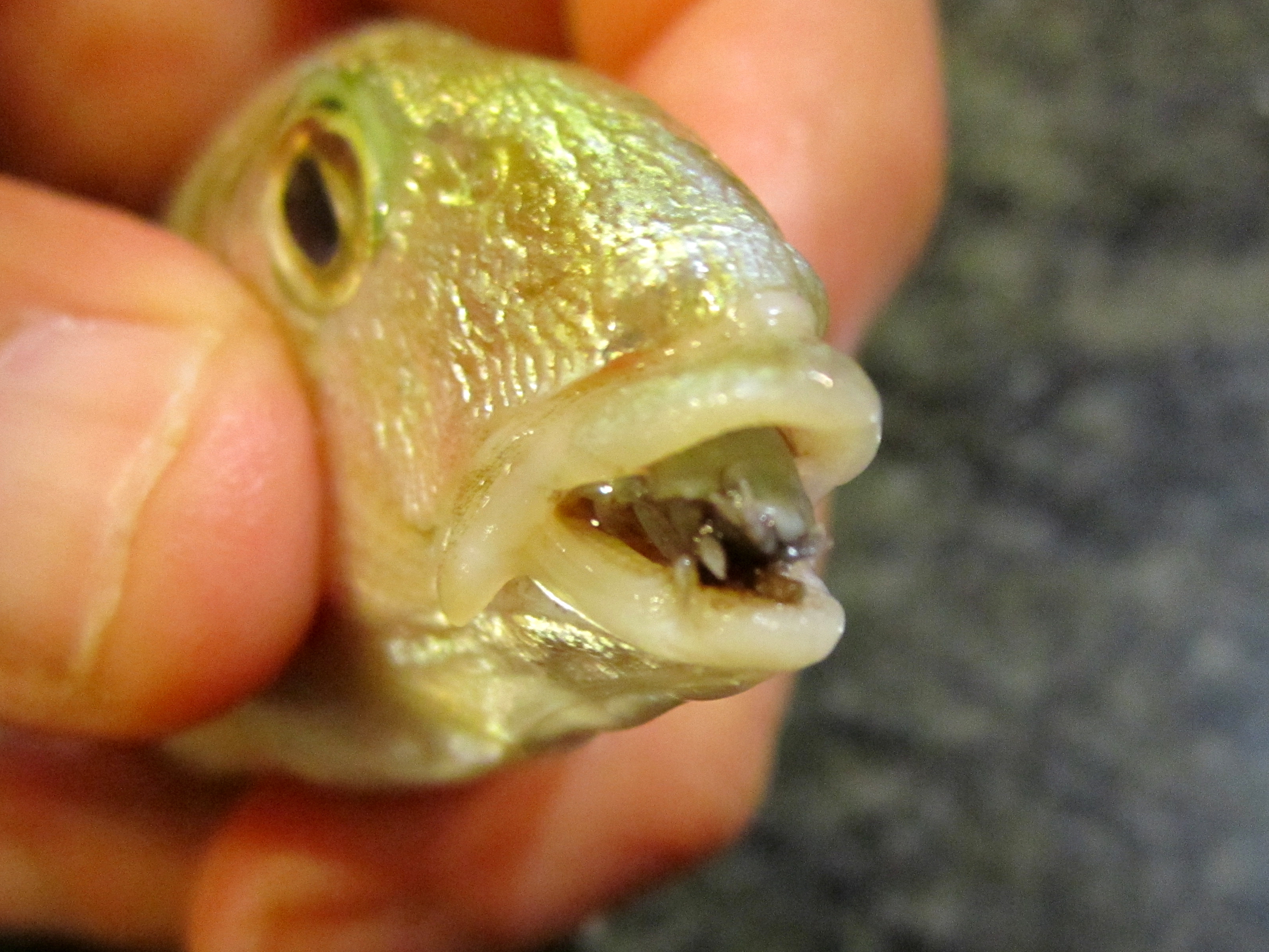
Ectoparasites employ a variety of strategies to attach to and feed from their hosts. Many possess specialized appendages like claws, hooks, or adhesive pads to maintain a firm grip on skin or within fur and feathers, preventing dislodgement by the host's grooming or movement. Their mouthparts are adapted for piercing skin to access blood (hematophagy), scraping skin for epidermal debris, or feeding on lymph. For instance, Ixodes ticks use their barbed hypostomes to anchor themselves, while head lice have strong tarsal claws to navigate human hair. Some, like scabies mites, burrow into the epidermis, creating tunnels where they lay eggs and feed, causing intense itching and inflammatory responses. The life cycles of many ectoparasites are complex, often involving multiple developmental stages that may occur on the host or in the environment, such as in the case of fleas.
📊 Key Facts & Numbers
Globally, ectoparasites affect an estimated 300 million people annually with diseases like scabies and louse-borne typhus. Ticks, vectors for diseases such as Lyme disease and Rocky Mountain Spotted Fever, infest over 80% of the world's land mammals. Fleas, particularly Xenopsylla cheopis, were historically responsible for transmitting plague to an estimated 75-200 million people during the Black Death pandemic in the 14th century. Mosquitoes, while often considered vectors, are themselves ectoparasites when feeding on blood, and transmit diseases like malaria to over 240 million people each year, resulting in hundreds of thousands of deaths, predominantly children under five.
👥 Key People & Organizations
Key figures in the study of ectoparasites include Alfred Kinsey, whose early work, though controversial, included detailed observations on human lice and their behavior. Organizations like the World Health Organization (WHO) and the Centers for Disease Control and Prevention (CDC) play crucial roles in monitoring and controlling ectoparasite-borne diseases. In veterinary science, institutions like the U.S. Department of Agriculture (USDA) fund research into effective treatments and control strategies for ectoparasites affecting livestock and companion animals. The London School of Hygiene & Tropical Medicine is a leading academic institution with extensive research programs focused on neglected tropical diseases, many of which are transmitted by ectoparasites.
🌍 Cultural Impact & Influence
Ectoparasites have profoundly shaped human culture and history, often serving as catalysts for public health initiatives and even influencing fashion and hygiene practices. The persistent presence of lice in human hair, for example, led to the development of specialized combs and early forms of hygiene education. The fear of fleas and their role in transmitting the plague spurred significant societal changes during the Middle Ages, including the development of quarantine measures and a greater emphasis on cleanliness in some urban centers. In literature and art, ectoparasites have been depicted as symbols of squalor, disease, and the uncanny, appearing in works ranging from medieval bestiaries to modern horror films. The development of effective insecticides, such as DDT (though now largely phased out due to environmental concerns), was a major turning point in controlling ectoparasite populations and the diseases they carry, a narrative explored in Rachel Carson's seminal work Silent Spring.
⚡ Current State & Latest Developments
Current research is intensely focused on combating ectoparasite resistance to conventional pesticides, a growing global concern. The development of novel control methods, including biological controls and gene-editing technologies like CRISPR for vector control, is accelerating. For instance, efforts are underway to genetically modify mosquito populations to reduce their ability to transmit diseases like Zika virus and dengue fever. The Global Burden of Disease study continues to highlight the significant impact of ectoparasite-borne illnesses, driving renewed investment in neglected tropical diseases. Furthermore, advancements in diagnostics, such as rapid field tests for tick-borne pathogens, are improving early detection and treatment of infestations and associated diseases.
🤔 Controversies & Debates
A major controversy surrounds the widespread use of pesticides in ectoparasite control. While effective, chemicals like pyrethroids and fipronil can lead to environmental damage, harm non-target species, and contribute to the development of pesticide resistance in parasite populations. This has fueled debate over the sustainability of current control strategies and the need for integrated pest management (IPM) approaches. Another area of contention is the ethical consideration of using genetically modified organisms (GMOs) for vector control, with concerns raised about unintended ecological consequences and public acceptance. The economic disparities in access to effective treatments also present an ethical challenge, as ectoparasite-related diseases disproportionately affect low-income populations in tropical and subtropical regions.
🔮 Future Outlook & Predictions
The future of ectoparasite management likely lies in a multi-pronged approach, integrating advanced molecular techniques with ecological understanding. Expect to see increased deployment of precision-targeting insecticides, alongside the wider adoption of biological control agents and host-specific repellents. The potential for using nanotechnology in drug delivery for ectoparasiticides, offering more targeted and sustained release, is also being explored. Furthermore, advancements in genomic surveillance will allow for real-time monitoring of parasite populations and the early detection of resistance mechanisms, enabling proactive rather than reactive control strategies. The development of effective vaccines against ectoparasites themselves, rather than just the diseases they transmit, remains a long-term but highly sought-after goal.
💡 Practical Applications
Ectoparasites have direct practical applications in various fields. In medicine, understanding their biology is crucial for developing treatments for infestations like lice, mites, and ticks in humans, as well as for preventing the transmission of diseases such as malaria and Chagas disease. In agriculture and animal husbandry, controlling ectoparasites on livestock is essential for maintaining animal health, ensuring meat and dairy production, and preventing economic losses. For example, managing Varroa mites is critical for the survival of honeybee colonies, which are vital for crop pollination. Entomologists also study ectoparasites to understand host-parasite co-evolution and ecological dynamics, providing insights into biodiversity and ecosystem health. The study of ectoparasites also informs the development of repellents and protective clothing for outdoor activities.
Key Facts
- Category
- nature
- Type
- topic