
Contents
Overview
Energy healing encompasses a diverse array of practices that posit the existence of subtle, vital energies within and around the human body, which can be influenced to promote physical, emotional, and spiritual health. These techniques, often rooted in ancient traditions, operate on the principle that imbalances or blockages in these energy fields—sometimes referred to as qi, prana, or biofields—can lead to illness, and that a trained practitioner can restore harmony. Modalities range from hands-on therapies like Reiki and Therapeutic Touch to distant healing and practices like Qigong and Acupuncture, which involve the manipulation of life force energy. While proponents report profound benefits, the scientific community largely regards these methods as lacking empirical evidence, often attributing perceived effects to the placebo effect or mindfulness. Despite this, energy healing maintains a significant cultural presence, with millions worldwide seeking these alternative approaches to complement conventional medicine.
🎵 Origins & History
The conceptual roots of energy healing stretch back millennia, drawing from ancient Chinese medicine's concept of qi (vital energy), Ayurvedic traditions of prana, and Indigenous healing practices found across the globe. Early forms of what could be considered energy work are embedded in practices like shamanism and spiritualism. Reiki, a Japanese practice, is one such modality. Therapeutic Touch is another. These practices have roots in ancient traditions and have been formalized over time.
⚙️ How It Works
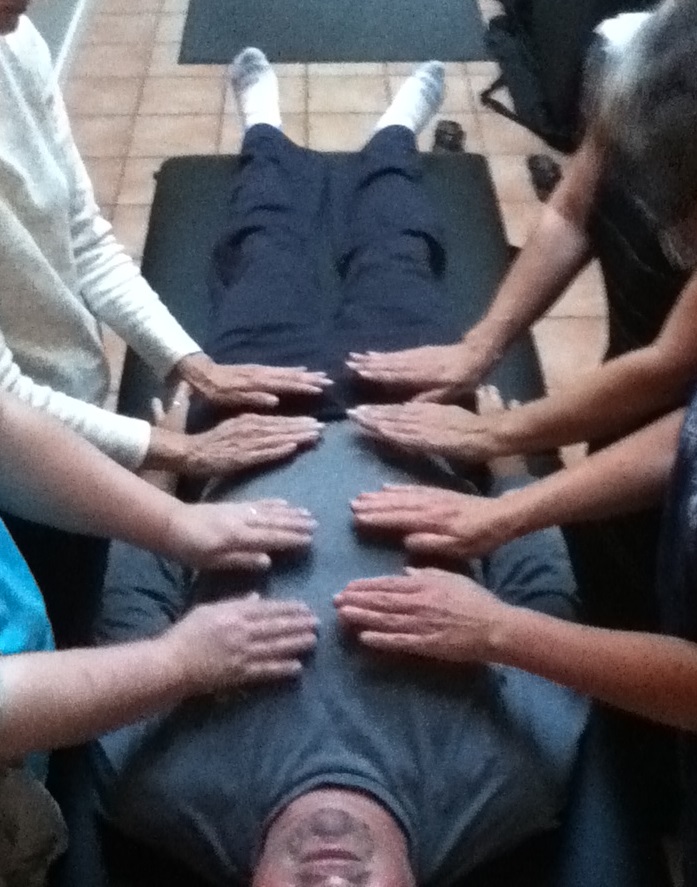
Energy healing techniques operate on the premise that a vital life force energy permeates all living beings, often conceptualized as a biofield surrounding and interpenetrating the physical body. Practitioners believe that illness arises from disruptions, blockages, or imbalances within this energy field. The 'how' varies by modality: Reiki practitioners, for instance, use gentle hand placements to channel universal life force energy, aiming to promote relaxation and self-healing. Qigong involves coordinated movement, breathing, and meditation to cultivate and balance qi. Acupuncture utilizes fine needles inserted at specific points on the body to stimulate the flow of qi along meridians. Therapeutic Touch involves scanning the patient's energy field and then 'clearing' and 'balancing' it with hand movements, without necessarily touching the body. The underlying mechanism, according to proponents, is the body's innate ability to heal itself when its energetic system is in harmony.
📊 Key Facts & Numbers
The global market for complementary and alternative medicine (CAM), which includes energy healing, is substantial. Funding for rigorous scientific research into energy healing remains comparatively low. Despite these numbers, the exact market share and number of practitioners are difficult to quantify precisely.
👥 Key People & Organizations
Key figures in the development and popularization of energy healing include Mikao Usui, the founder of Reiki; Dolores Krieger and Dora Kunz, who developed Therapeutic Touch. Organizations like the National Certification Commission for Acupuncture and Oriental Medicine (NCCAOM) and the International Association of Reiki Professionals (IARP) offer certifications and professional standards for practitioners. Research institutions, though often critical, have also played a role, with bodies like the National Institutes of Health (NIH) and its arm, the National Center for Complementary and Integrative Health (NCCIH), funding studies that investigate the efficacy and mechanisms of various energy healing techniques, albeit with a focus on scientific validation.
🌍 Cultural Impact & Influence
Energy healing has permeated various levels of culture, from its integration into some hospital integrative medicine programs to its presence in wellness retreats and personal development circles. Reiki is perhaps the most widely recognized modality, often offered in cancer centers and hospices to promote relaxation and reduce stress. The concept of 'vibrational medicine' has also influenced popular culture, appearing in books, documentaries, and New Age philosophies. While mainstream media often portrays energy healing with skepticism, its growing acceptance in certain healthcare settings reflects a broader societal interest in holistic health and mind-body connection. The influence extends to other fields, inspiring artists and writers to explore themes of unseen energies and interconnectedness, contributing to a cultural dialogue about well-being beyond the purely physical.
⚡ Current State & Latest Developments
The landscape of energy healing is dynamic, with ongoing efforts to bridge the gap between traditional practices and scientific inquiry. Online platforms and telehealth have also expanded access, allowing practitioners to offer distant healing sessions globally. Simultaneously, the debate over scientific validation intensifies, with new studies emerging from both proponents and critics, pushing the boundaries of how we understand consciousness and healing.
🤔 Controversies & Debates
The primary controversy surrounding energy healing techniques centers on their lack of robust, reproducible scientific evidence. Critics, including many in the medical establishment, argue that claims of manipulating subtle energies are unfalsifiable and that reported benefits are largely attributable to the placebo effect, patient expectation, or the therapeutic relationship itself. Organizations like the Skeptics Society frequently highlight the absence of empirical data supporting the existence of the 'energies' practitioners claim to work with, distinguishing them from scientifically understood electromagnetic fields. Furthermore, concerns are raised about practitioners making unsubstantiated health claims or advising patients to forgo conventional medical treatment, which can have dangerous consequences. The debate often pits the subjective, anecdotal experiences of patients and practitioners against the objective, evidence-based standards of conventional medicine.
🔮 Future Outlook & Predictions
The future of energy healing likely lies in a continued push for scientific validation and integration into mainstream healthcare, albeit with significant challenges. Researchers are exploring more sophisticated methodologies, such as neurofeedback and advanced biomarker analysis, to detect subtle physiological changes associated with energy healing practices. There's also a growing interest in understanding the role of consciousness and intention in healing, potentially bridging the gap between subjective experience and objective measurement. As integrative medicine continues to gain traction, modalities like Reiki and Acupuncture may become more routinely offered alongside conventional treatments, particularly for symptom management and stress reduction. However, the core debate over the existence and manipulation of subtle energies will likely persist, shaping how these practices are perceived and regulated.
💡 Practical Applications
Energy healing techniques find practical applic
Key Facts
- Category
- vibes
- Type
- topic