
Contents
Overview
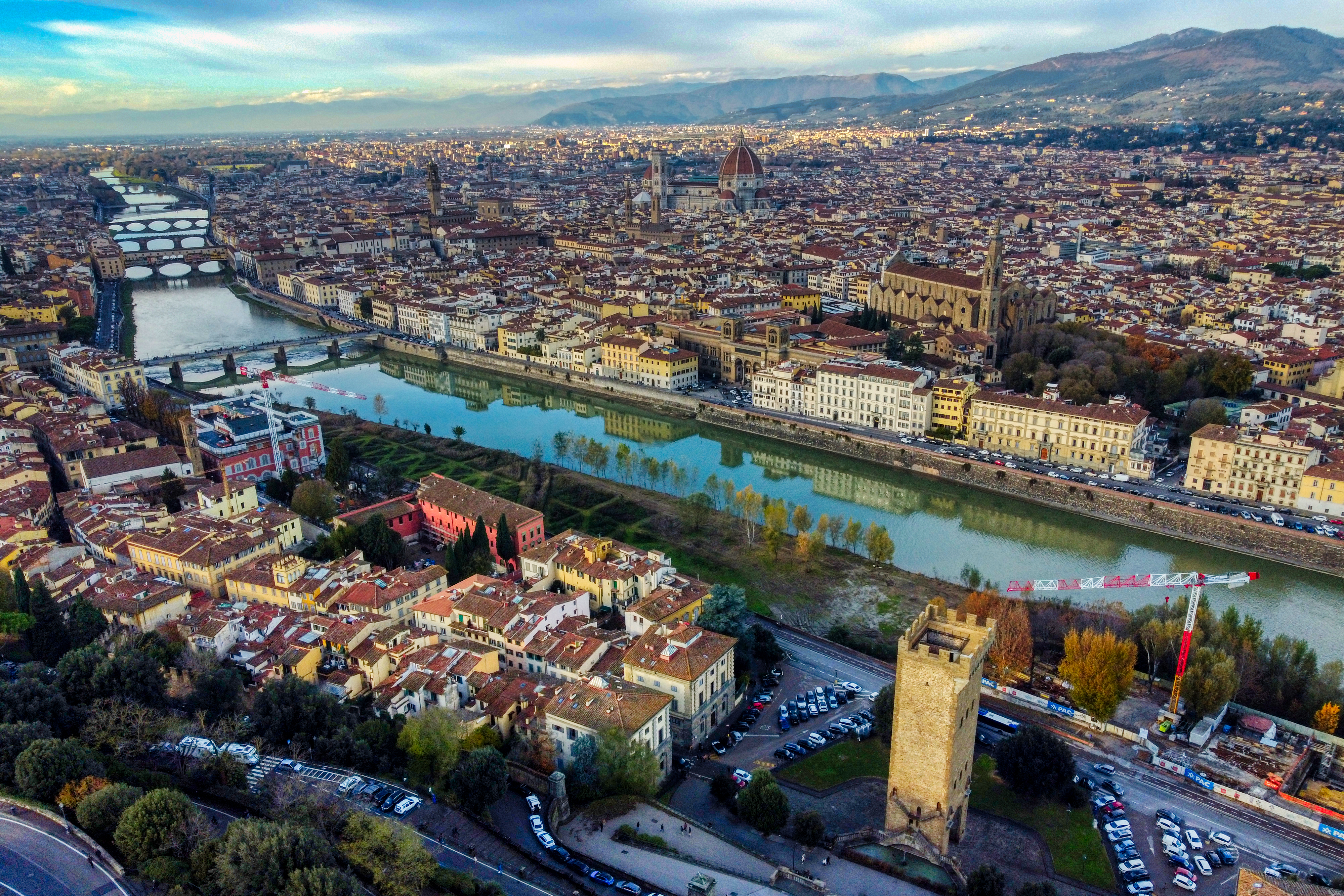
Florence, with its roots dating back to the Roman era, evolved into a centre of medieval European trade and finance, becoming one of the wealthiest cities of that era. This prosperity laid the groundwork for the city to become a major artistic, cultural, commercial, political, economic, and financial center during the Renaissance. The works of Dante Alighieri, Leonardo da Vinci, and Michelangelo exemplify the city's contribution to the cultural landscape. The Florentine dialect formed the base of standard Italian, further solidifying Florence's impact on Italian culture.
🎨 Artistic and Cultural Significance
The city's artistic significance is underscored by its numerous galleries and museums, including the Uffizi Gallery, which houses some of the world's most renowned artworks. The influence of Florence on art and architecture can be seen in the works of Filippo Brunelleschi and Sandro Botticelli, among others. Florence's cultural resonance extends beyond Italy, with its fashion, design, and culinary traditions being emulated worldwide, as seen in the global presence of brands like Gucci and Prada.
🌍 Economic and Political Influence
Florence's economic and political influence peaked during the Renaissance, with the city serving as a financial hub and a center of political power. The Medici bank was a pivotal financial institution in Europe, and the family's political influence was significant, with Cosimo de' Medici being a key figure. The city's role as the capital of the Kingdom of Italy from 1865 to 1871 further cemented its national importance. Today, Florence continues to be a city of economic and cultural significance, attracting tourists and businesses alike, including major events like the Pitti Immagine.
🔮 Legacy and Contemporary Florence
The legacy of Florence is multifaceted, encompassing its historical significance, cultural contributions, and ongoing influence on contemporary society. The city's preservation of its historical architecture, such as the Duomo and Ponte Vecchio, ensures that its past continues to be a vibrant part of its present. As a city that has inspired countless artists, writers, and thinkers, including Niccolò Machiavelli and Galileo Galilei, Florence remains a source of inspiration for future generations, with institutions like the University of Florence playing a crucial role in this endeavor.
Key Facts
- Year
- 59 BC
- Origin
- Italy
- Category
- history
- Type
- place
Frequently Asked Questions
What is the significance of Florence in the Renaissance?
Florence was the epicenter of the Renaissance, a cultural and artistic movement that transformed Europe. The city was home to influential figures such as Dante Alighieri, Leonardo da Vinci, and Michelangelo, and its patronage by the Medici family supported the creation of numerous masterpieces. This period saw significant advancements in art, architecture, and science, with Florence being a hub of innovation and creativity.
How has Florence influenced modern culture?
Florence's influence on modern culture is profound, with its artistic, architectural, and literary contributions continuing to inspire contemporary artists, designers, and writers. The city's fashion industry, led by brands like Gucci and Prada, is renowned worldwide. Moreover, Florence's culinary traditions have become staples of Italian cuisine globally, with dishes like ribollita and pappardelle being enjoyed internationally.
What are the main tourist attractions in Florence?
Florence is home to numerous iconic landmarks and attractions, including the Duomo, Ponte Vecchio, and the Uffizi Gallery. Visitors can also explore the Palazzo Pitti, Boboli Gardens, and the Accademia Gallery, which houses Michelangelo's famous sculpture, David. The city's historic center, a UNESCO World Heritage Site, is a must-see, with its narrow streets, charming piazzas, and picturesque riverside walks.
How is Florence preserving its cultural heritage?
Florence is actively engaged in preserving its cultural heritage through various initiatives and institutions. The city has implemented strict conservation laws to protect its historical buildings and monuments, such as the Duomo and Ponte Vecchio. Additionally, museums like the Uffizi Gallery and the Accademia Gallery are working to conserve and restore artworks, while also promoting cultural education and awareness. The University of Florence plays a significant role in these efforts, offering programs in art history, conservation, and cultural management.
What is the economic impact of tourism on Florence?
Tourism has a significant economic impact on Florence, with the city attracting millions of visitors each year. The tourism industry supports local businesses, including hotels, restaurants, and shops, and generates substantial revenue for the city. However, there are also concerns about the environmental and social impacts of mass tourism, such as overcrowding, pollution, and strain on local resources. The city is working to implement sustainable tourism practices, including initiatives to reduce waste, promote eco-friendly accommodations, and support local artisans and businesses.