
Contents
- 🍴 Introduction to Foie Gras
- 📍 Location & Production
- 🐥 Animal Welfare Concerns
- 🍽️ Culinary Uses & Pairings
- 💰 Pricing & Availability
- 👨🍳 Chef Perspectives
- 🌎 Global Regulations
- 🤝 Comparison with Similar Delicacies
- 📊 Nutrition & Health Considerations
- 👀 Practical Tips for Consumers
- 📞 Getting Started with Foie Gras
- Frequently Asked Questions
- Related Topics
Overview
Foie gras, a dish made from the liver of ducks or geese, has been a staple of haute cuisine for centuries. With a history dating back to ancient Egypt, foie gras was popularized in France in the 18th century and has since become a symbol of luxury and fine dining. However, the production of foie gras is highly controversial, with many animal welfare organizations condemning the practice of force-feeding ducks and geese to fatten their livers. Despite the controversy, foie gras remains a popular ingredient in many high-end restaurants, with top chefs like Thomas Keller and Joël Robuchon featuring it prominently in their menus. The debate surrounding foie gras has led to its ban in several countries, including California and Israel, but it remains a beloved dish in many parts of the world. With a vibe score of 8, foie gras is a topic that sparks intense passion and debate, reflecting the complex and often contradictory nature of human relationships with food and animals.
🍴 Introduction to Foie Gras
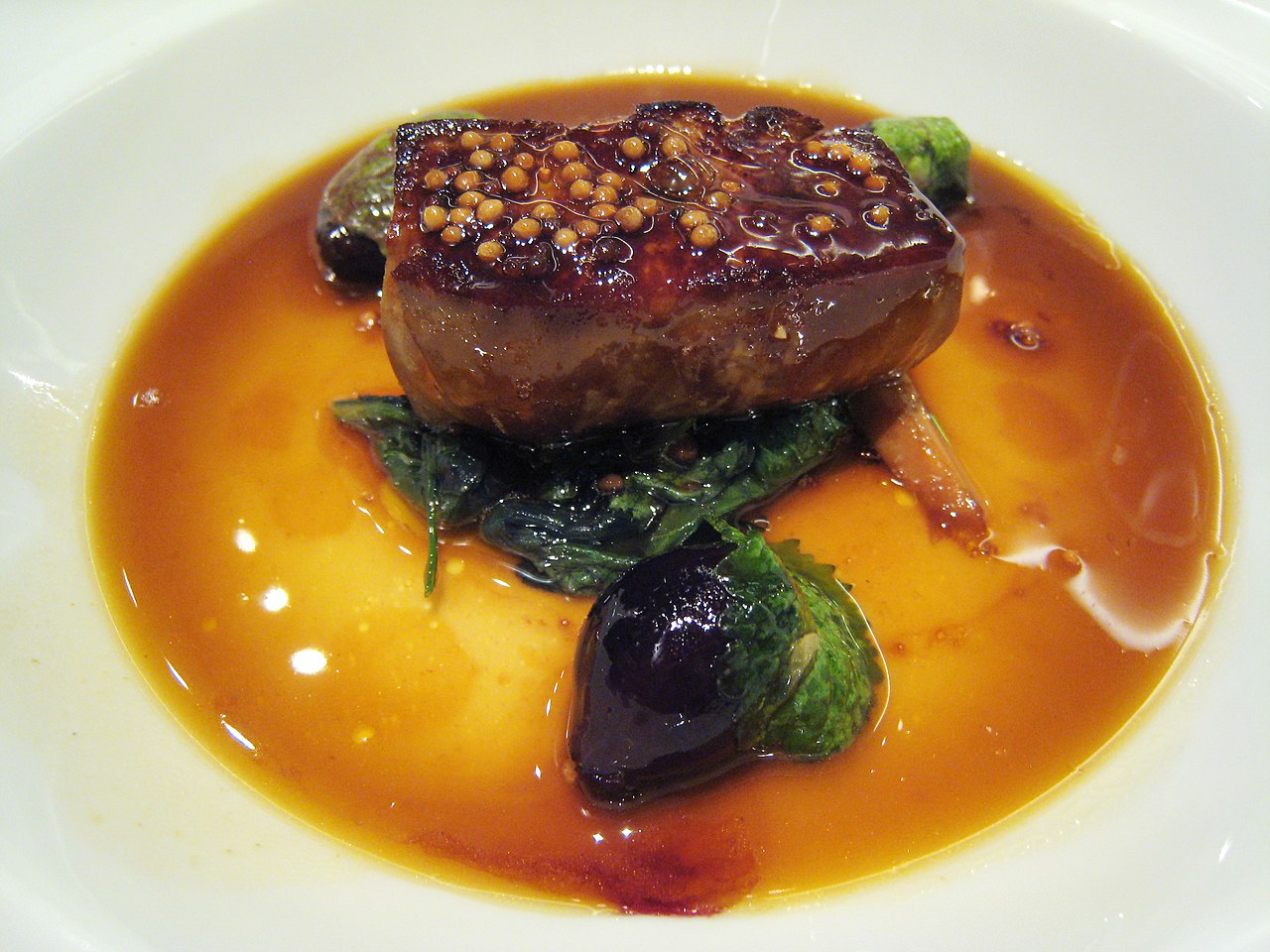
Foie gras is a luxurious and controversial delicacy made from the liver of a duck or goose, specifically those that have been fattened by force-feeding. This French specialty has been a topic of debate among animal rights activists, food critics, and chefs alike. With a rich history dating back to ancient Egypt, foie gras has become a staple in haute cuisine and is often served in high-end restaurants. To understand the intricacies of foie gras, it's essential to explore its production process, which involves duck farming and goose farming practices.
📍 Location & Production
The production of foie gras is primarily concentrated in France, with the majority coming from the southwest of France. Other countries, such as Hungary and Bulgaria, also produce foie gras, but the quality and authenticity of these products can vary greatly. When it comes to location and access, consumers can find foie gras in specialty butcher shops, gourmet markets, and high-end restaurants. For those interested in trying foie gras, it's essential to research and understand the different types, including seared foie gras and torchon foie gras.
🐥 Animal Welfare Concerns
One of the most significant concerns surrounding foie gras is the treatment of the animals involved in its production. Animal welfare organizations have long criticized the practice of force-feeding, which can cause significant stress and health problems for the ducks and geese. In response to these concerns, some countries have banned the production and sale of foie gras, while others have implemented stricter regulations. As a consumer, it's essential to be aware of these issues and consider the ethics of foie gras when making a purchasing decision. For more information, visit the foie gras producers website or consult with a food expert.
🍽️ Culinary Uses & Pairings
Foie gras is a versatile ingredient that can be used in a variety of dishes, from appetizers to main courses. It's often served with sweet or savory accompaniments, such as fig jam or brioche, to balance out its rich flavor. When it comes to pairing foie gras with wine, Sauternes and ice wine are popular choices. For a unique culinary experience, consider visiting a michelin-starred restaurant that serves foie gras, such as Joel Robuchon or Thomas Keller.
💰 Pricing & Availability
The price of foie gras can vary greatly depending on the quality, origin, and availability. High-quality foie gras from France can range from $50 to $200 per pound, while lower-quality products from other countries may be significantly cheaper. When purchasing foie gras, it's essential to consider the cost-benefit analysis and weigh the pros and cons of different options. For a more affordable alternative, consider trying duck liver pâté or goose liver pâté.
👨🍳 Chef Perspectives
Chefs and food experts have differing opinions on the use of foie gras in cuisine. Some, like Anthony Bourdain, have been vocal about their support for foie gras, while others, like Jamie Oliver, have spoken out against it. When it comes to cooking with foie gras, it's essential to understand the different techniques, including searing and poaching. For a comprehensive guide to cooking foie gras, consult with a professional chef or visit a cooking school.
🌎 Global Regulations
The regulation of foie gras varies greatly from country to country. In France, foie gras is protected by law, and its production is strictly regulated. In contrast, countries like California and Israel have banned the production and sale of foie gras due to animal welfare concerns. As a consumer, it's essential to be aware of the laws and regulations surrounding foie gras in your country and to consider the global implications of your purchasing decisions. For more information, visit the foie gras regulations website or consult with a food lawyer.
🤝 Comparison with Similar Delicacies
Foie gras is often compared to other luxurious delicacies, such as caviar and truffles. While these products share some similarities with foie gras, they have distinct differences in terms of production, taste, and texture. When it comes to choosing between foie gras and other delicacies, it's essential to consider the unique characteristics of each product and to weigh the pros and cons of different options. For a comprehensive guide to luxurious delicacies, consult with a food connoisseur or visit a gourmet market.
📊 Nutrition & Health Considerations
Foie gras is high in fat and calories, but it's also a rich source of protein and vitamins. When consumed in moderation, foie gras can be a part of a balanced diet. However, it's essential to be aware of the potential health risks associated with overconsumption, including heart disease and obesity. For a healthy and balanced diet, consider consulting with a registered dietitian or visiting a health food store.
👀 Practical Tips for Consumers
For consumers looking to try foie gras, it's essential to start with high-quality products from reputable sources. When purchasing foie gras, look for products that are labeled as Grade A or USDA inspected. It's also important to handle and store foie gras properly to ensure food safety. For a comprehensive guide to food safety, consult with a food safety expert or visit a food safety website.
📞 Getting Started with Foie Gras
To get started with foie gras, consider visiting a specialty butcher shop or gourmet market that carries a variety of foie gras products. You can also try foie gras at a high-end restaurant or wine bar. For a unique culinary experience, consider taking a cooking class or wine tasting that features foie gras. With its rich flavor and luxurious texture, foie gras is sure to be a memorable experience for any food lover.
Key Facts
- Year
- 1780
- Origin
- France
- Category
- Food and Culture
- Type
- Food
Frequently Asked Questions
What is foie gras?
Foie gras is a specialty food product made from the liver of a duck or goose that has been fattened by gavage. It's a luxurious and controversial delicacy that's often served in high-end restaurants. For more information, visit the foie gras producers website or consult with a food expert.
Is foie gras cruel to animals?
The production of foie gras involves the practice of gavage, which can cause significant stress and health problems for the ducks and geese. Many animal welfare organizations have criticized the use of gavage and have called for a ban on foie gras production. However, some producers argue that their methods are humane and that the animals are well cared for. For a comprehensive guide to animal welfare, consult with an animal welfare expert or visit an animal shelter.
How much does foie gras cost?
The price of foie gras can vary greatly depending on the quality, origin, and availability. High-quality foie gras from France can range from $50 to $200 per pound, while lower-quality products from other countries may be significantly cheaper. When purchasing foie gras, it's essential to consider the cost-benefit analysis and weigh the pros and cons of different options. For a more affordable alternative, consider trying duck liver pâté or goose liver pâté.
Can I cook foie gras at home?
Yes, you can cook foie gras at home, but it requires some skill and care. It's essential to handle and store foie gras properly to ensure food safety. You can find many recipes online that feature foie gras, including seared foie gras and torchon foie gras. For a comprehensive guide to cooking foie gras, consult with a professional chef or visit a cooking school.
Is foie gras healthy?
Foie gras is high in fat and calories, but it's also a rich source of protein and vitamins. When consumed in moderation, foie gras can be a part of a balanced diet. However, it's essential to be aware of the potential health risks associated with overconsumption, including heart disease and obesity. For a healthy and balanced diet, consider consulting with a registered dietitian or visiting a health food store.
Where can I buy foie gras?
You can buy foie gras at specialty butcher shops, gourmet markets, and high-end restaurants. It's also available online from some retailers. When purchasing foie gras, look for products that are labeled as Grade A or USDA inspected. For a comprehensive guide to purchasing foie gras, consult with a food expert or visit a gourmet market.
Can I substitute foie gras with other ingredients?
While there's no exact substitute for foie gras, you can use other ingredients to create similar dishes. Some options include duck liver pâté, goose liver pâté, and even vegan foie gras alternatives. For a comprehensive guide to vegan foie gras, consult with a vegan chef or visit a vegan restaurant.