
Contents
Overview
The roots of food engineering stretch back to the earliest attempts to preserve food, from salting and smoking to canning. The formalization of the discipline, however, gained momentum in the early 20th century with the rise of industrial food production and the need for scientific rigor in scaling up processes. Early pioneers in agricultural and chemical engineering began applying their knowledge to food-related challenges, particularly during wartime when efficient food preservation and distribution were paramount. Institutions like the University of California, Davis and Cornell University established early programs that blended engineering principles with food science, laying the groundwork for modern food engineering curricula and research. The field truly coalesced as a distinct discipline in the mid-20th century, driven by advancements in thermodynamics, transport phenomena, and process control, enabling more sophisticated methods for food processing and quality assurance.
⚙️ How It Works
At its core, food engineering applies fundamental engineering principles to the unique challenges posed by biological materials. Engineers analyze the physical and chemical properties of food, such as its rheology (flow behavior), heat transfer characteristics, and microbial kinetics, to design optimal processing systems. This involves understanding mass and energy balances, fluid dynamics, and reaction engineering, often using specialized equipment like plate heat exchangers, spray dryers, and extruders. For instance, designing a pasteurization process requires precise control over temperature and time to eliminate pathogens while preserving nutritional value and sensory qualities, a task managed through detailed thermodynamic and kinetic modeling. The goal is to create efficient, scalable, and reproducible processes that ensure product safety, quality, and shelf-life, often involving complex automation and control systems developed by Siemens or Rockwell Automation.
📊 Key Facts & Numbers
The global food processing market is a colossal entity. The United States alone boasts a food manufacturing sector generating over $150 billion in annual revenue, employing more than 1.5 million people. Globally, the demand for processed foods is driven by a population expected to reach nearly 10 billion by 2050, necessitating efficient production methods. Innovations in food engineering contribute to a significant reduction in food waste, which currently accounts for approximately one-third of all food produced globally, a staggering loss valued in the hundreds of billions of dollars. Furthermore, the market for specialized food ingredients, a direct output of food engineering advancements, is projected to exceed $100 billion by 2027, highlighting the economic significance of this field.
👥 Key People & Organizations
Key figures in food engineering often bridge academia and industry. Isabelle Shih is recognized for her contributions to novel food processing technologies, particularly in areas like high-pressure processing. Mark Faulkner, a prominent researcher, has focused on the rheological properties of food materials and their impact on processing efficiency. Organizations like the Institute of Food Technologists (IFT) play a crucial role in advancing the field through publications, conferences, and professional development. Major food corporations such as Nestlé, Unilever, and Kraft Heinz employ thousands of food engineers to manage their vast production networks and drive product innovation. Universities like Purdue University and the University of Georgia are also hubs for cutting-edge food engineering research and education.
🌍 Cultural Impact & Influence
Food engineering has profoundly reshaped global diets and economies. It enabled the mass production of affordable, shelf-stable foods, making diverse ingredients accessible worldwide and contributing to improved nutrition and reduced famine in many regions. The development of packaging technologies, from Tetra Pak cartons to advanced modified atmosphere packaging, has extended shelf life and reduced spoilage, impacting global supply chains managed by logistics giants like Maersk. Culturally, it has influenced culinary trends by making exotic ingredients readily available and facilitating the rise of convenience foods, altering daily routines and family meal structures. The aesthetic appeal and sensory properties of food are also engineered, with food engineers working alongside food scientists to create appealing textures and flavors, influencing consumer preferences and the success of products from companies like General Mills.
⚡ Current State & Latest Developments
The current landscape of food engineering is characterized by a strong focus on sustainability, health, and novel food sources. Engineers are developing energy-efficient processing methods, reducing water usage, and exploring the potential of plant-based meat alternatives and cultured meat production at scale. The integration of artificial intelligence and machine learning is revolutionizing process control, predictive maintenance, and quality assurance, with companies like Google Cloud offering AI solutions for the food industry. Furthermore, there's a growing emphasis on personalized nutrition, with food engineers exploring ways to tailor food products to individual dietary needs and preferences, often leveraging data from wearable health trackers. The development of advanced sensors and inline monitoring technologies, such as those from Endress+Hauser, is also enhancing real-time process optimization and traceability throughout the supply chain.
🤔 Controversies & Debates
One of the most persistent debates in food engineering centers on the balance between industrial efficiency and perceived 'naturalness' or healthiness. Critics argue that highly processed foods, a product of extensive engineering, can be detrimental to public health due to high levels of sugar, salt, and unhealthy fats, a concern amplified by studies linking processed food consumption to increased rates of obesity and chronic diseases. Conversely, proponents highlight how engineering enables the fortification of foods with essential nutrients, making them healthier and more accessible, especially in regions with dietary deficiencies. Another controversy involves the environmental impact of large-scale food production, including energy consumption, water usage, and waste generation, prompting ongoing research into more sustainable engineering practices. The ethical implications of novel food technologies, such as GMOs and cellular agriculture, also remain a point of contention, with public perception often lagging behind scientific advancements.
🔮 Future Outlook & Predictions
The future of food engineering is poised for significant transformation, driven by the need to feed a growing global population sustainably and healthily. Expect to see a surge in the application of biotechnology for developing novel ingredients and optimizing crop yields, potentially through collaborations with firms like Bayer AG. The rise of personalized nutrition will likely lead to highly customized food production systems, possibly utilizing advanced 3D printing technologies for tailored meals. Furthermore, the circular economy will gain traction, with food engineers designing processes to minimize waste and maximize resource recovery, potentially turning by-products into valuable ingredients. The integration of robotics and AI will continue to automate and optimize production lines, increasing efficiency and reducing human error, with companies like Boston Dynamics exploring applications in food handling. The development of alternative protein s
💡 Practical Applications
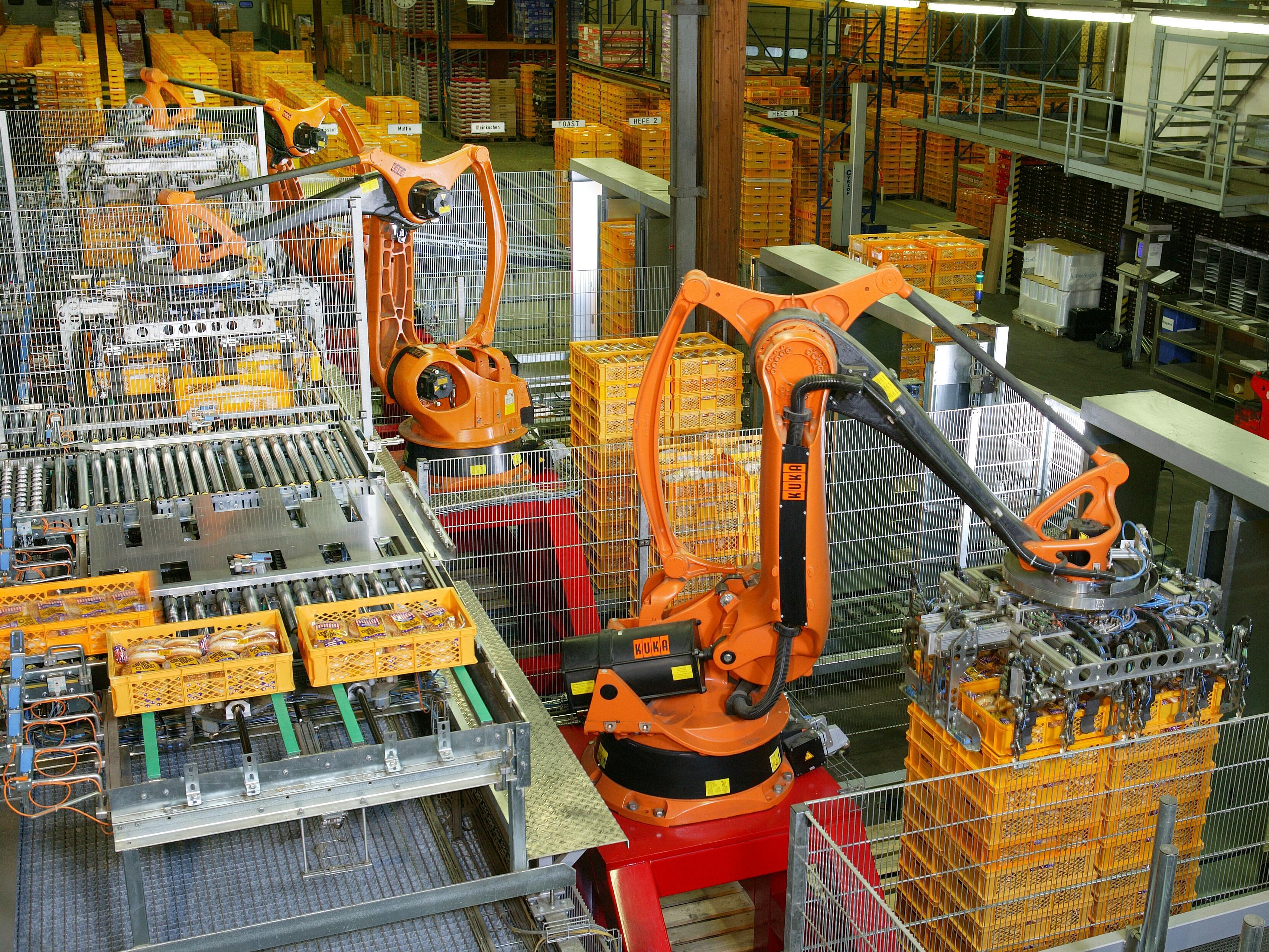
Food engineering finds practical application in virtually every aspect of the modern food supply chain. It is essential for designing and operating bakeries, dairy processing plants, and meat processing facilities. Engineers develop the processes for creating shelf-stable products like canned goods and frozen foods, as well as the technologies behind beverages, snacks, and confectionery. Furthermore, food engineering principles are applied in the development of functional foods, dietary supplements, and infant formulas, ensuring they meet specific nutritional and safety standards. The design of efficient and hygienic food transportation and storage systems, including refrigerated transport and controlled atmosphere storage, also falls under its purview.
Key Facts
- Category
- science
- Type
- topic