
Contents
- 🌠 Introduction to Solar System Formation
- 🌌 The Gravitational Collapse of a Molecular Cloud
- 🔍 Understanding Protoplanetary Disks
- 🌞 The Formation of the Sun
- 🌐 Planetary Formation Theories
- 🚀 The Role of Asteroids and Comets
- 🌊 The Formation of Moons and Rings
- 🔭 The Study of Solar System Formation
- 📊 The Timeline of Solar System Formation
- 👀 Controversies and Debates in Solar System Formation
- 🌟 The Future of Solar System Formation Research
- Frequently Asked Questions
- Related Topics
Overview
The formation of the Solar System is a complex and still somewhat mysterious process that began about 4.6 billion years ago with the gravitational collapse of a small part of a giant molecular cloud, as discussed in Solar System formation theories. This collapse led to the formation of the Sun and the protoplanetary disk, from which the planets, moons, asteroids, and other small Solar System bodies formed. The study of Solar System formation is an active area of research, with scientists using a variety of methods to understand the processes that shaped our cosmic neighborhood. For example, the study of Meteorites provides valuable insights into the early Solar System. The Hubble Space Telescope has also played a crucial role in understanding the formation of the Solar System.
🌌 The Gravitational Collapse of a Molecular Cloud
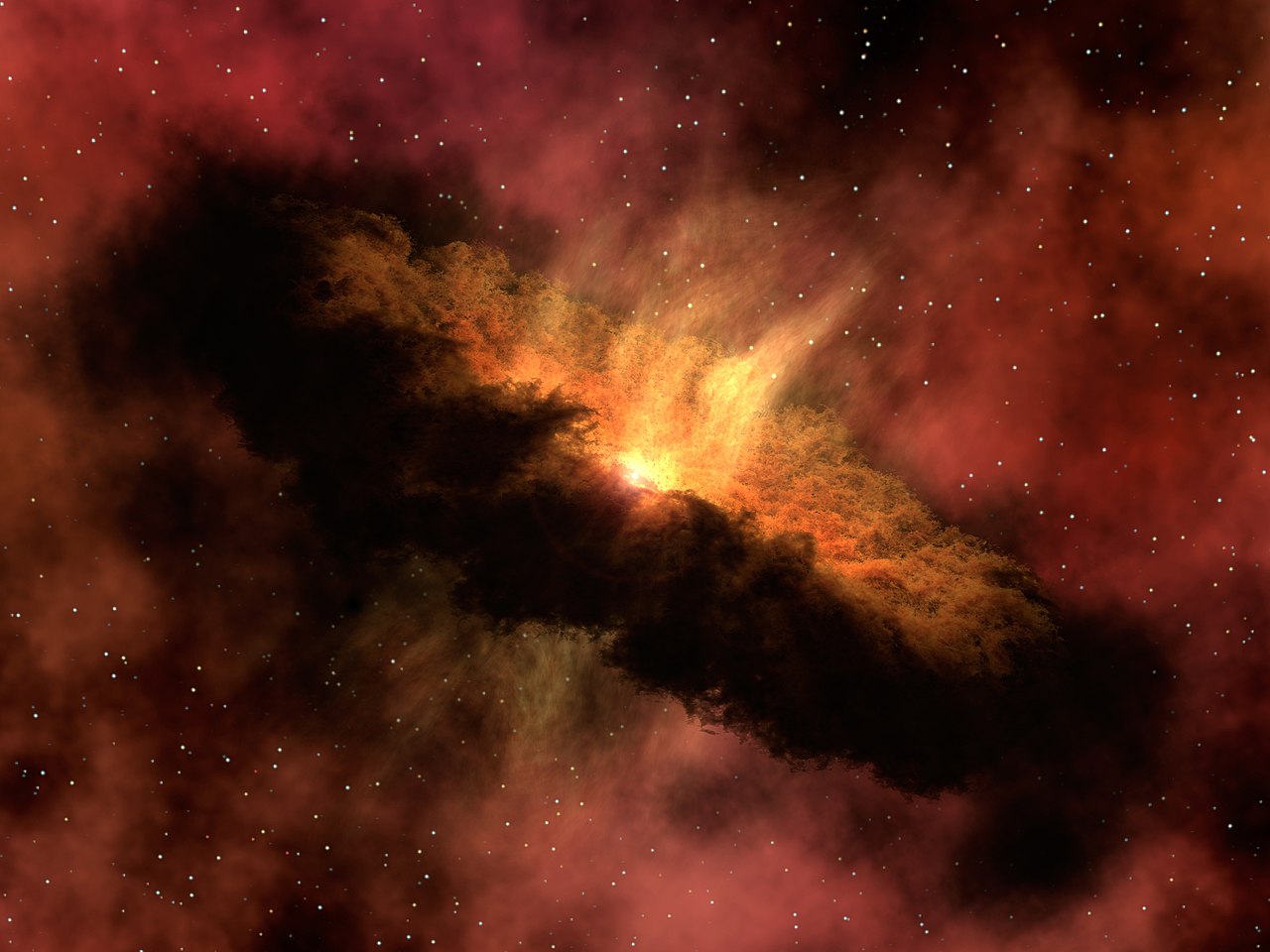
The gravitational collapse of a molecular cloud is a process that occurs when a region of a cloud becomes dense enough to collapse under its own gravity. This collapse can be triggered by a variety of factors, including the shock wave from a nearby Supernova or the collision of two clouds. As the cloud collapses, it begins to spin faster and faster, causing it to flatten into a protoplanetary disk. The study of Star Formation is closely related to the study of Solar System formation. The Spitzer Space Telescope has been used to study the formation of stars and planetary systems. The Atlas of Pictorial Astronomy provides a comprehensive overview of the Solar System and its formation.
🔍 Understanding Protoplanetary Disks
Protoplanetary disks are rotating disks of gas and dust that surround newly formed stars. These disks are the raw material from which planets, moons, asteroids, and other small Solar System bodies form. The study of Protoplanetary Disks is an active area of research, with scientists using a variety of methods to understand the structure and evolution of these disks. For example, the study of Exoplanets provides valuable insights into the formation of planetary systems. The Kepler Space Telescope has been used to discover thousands of exoplanets. The Sloan Digital Sky Survey has been used to study the formation of galaxies and the distribution of stars and planets.
🌞 The Formation of the Sun
The formation of the Sun is a complex process that involves the collapse of a giant molecular cloud. As the cloud collapses, it begins to spin faster and faster, causing it to flatten into a protoplanetary disk. At the center of this disk, the material becomes so dense and hot that it ignites, forming the Sun. The study of Stellar Evolution is closely related to the study of Solar System formation. The Hipparcos Space Astrometry Mission has been used to study the formation and evolution of stars. The Galaxy Evolution Explorer has been used to study the formation and evolution of galaxies.
🌐 Planetary Formation Theories
There are several theories of planetary formation, including the Core Accretion Model and the Disk Instability Model. The Core Accretion Model proposes that planets form through the accumulation of solid particles in a protoplanetary disk, while the Disk Instability Model proposes that planets form through the gravitational instability of the disk. The study of Planetary Formation is an active area of research, with scientists using a variety of methods to understand the processes that shape planetary systems. For example, the study of Kuiper Belt Objects provides valuable insights into the formation of the outer Solar System. The New Horizons Spacecraft has been used to study the formation of the Kuiper Belt.
🚀 The Role of Asteroids and Comets
Asteroids and comets are small Solar System bodies that are thought to be the remnants of the material that formed the planets. The study of Asteroids and Comets provides valuable insights into the formation and evolution of the Solar System. For example, the study of Near-Earth Asteroids provides valuable insights into the potential hazards posed by these objects. The Dawn Spacecraft has been used to study the formation of asteroids. The Stardust Spacecraft has been used to study the formation of comets.
🌊 The Formation of Moons and Rings
The formation of moons and rings is a complex process that involves the gravitational interaction between a planet and the material in its orbit. The study of Moons and Rings provides valuable insights into the formation and evolution of planetary systems. For example, the study of Jupiter Moons provides valuable insights into the formation of the Jupiter system. The Cassini Spacecraft has been used to study the formation of Saturn's moons and rings. The Voyager Spacecraft has been used to study the formation of the outer Solar System.
🔭 The Study of Solar System Formation
The study of Solar System formation is an active area of research, with scientists using a variety of methods to understand the processes that shaped our cosmic neighborhood. For example, the study of Meteorites provides valuable insights into the early Solar System. The Hubble Space Telescope has also played a crucial role in understanding the formation of the Solar System. The Spitzer Space Telescope has been used to study the formation of stars and planetary systems.
📊 The Timeline of Solar System Formation
The timeline of Solar System formation is a complex and still somewhat mysterious process that spans millions of years. The study of Solar System formation is an active area of research, with scientists using a variety of methods to understand the processes that shaped our cosmic neighborhood. For example, the study of Geologic Time Scale provides valuable insights into the formation and evolution of the Earth. The Paleoclimate record provides valuable insights into the formation and evolution of the Earth's climate.
👀 Controversies and Debates in Solar System Formation
There are several controversies and debates in the field of Solar System formation, including the Grand Tack Hypothesis and the Nice Model. The Grand Tack Hypothesis proposes that the Solar System underwent a dramatic rearrangement in the distant past, while the Nice Model proposes that the Solar System underwent a series of catastrophic events that shaped its current structure. The study of Solar System formation is an active area of research, with scientists using a variety of methods to understand the processes that shaped our cosmic neighborhood.
🌟 The Future of Solar System Formation Research
The future of Solar System formation research is an exciting and rapidly evolving field, with new missions and technologies being developed to study the formation and evolution of planetary systems. For example, the James Webb Space Telescope will be used to study the formation of stars and planetary systems. The Europa Clipper will be used to study the formation of the Jupiter system. The Enceladus Life Finder will be used to study the potential for life in the outer Solar System.
Key Facts
- Category
- topic
- Type
- topic
Frequently Asked Questions
What is the Solar System?
The Solar System is a collection of celestial objects that orbit the Sun, including planets, moons, asteroids, comets, and other small bodies. The study of Solar System formation is an active area of research, with scientists using a variety of methods to understand the processes that shaped our cosmic neighborhood. For example, the study of Meteorites provides valuable insights into the early Solar System. The Hubble Space Telescope has also played a crucial role in understanding the formation of the Solar System.
How did the Solar System form?
The Solar System is thought to have formed about 4.6 billion years ago from a giant molecular cloud. The cloud collapsed under its own gravity, with the Sun forming at the center and the planets, moons, asteroids, and other small bodies forming from the surrounding material. The study of Solar System formation is an active area of research, with scientists using a variety of methods to understand the processes that shaped our cosmic neighborhood. For example, the study of Exoplanets provides valuable insights into the formation of planetary systems.
What are the planets in our Solar System?
The planets in our Solar System are Mercury, Venus, Earth, Mars, Jupiter, Saturn, Uranus, and Neptune. The study of Planets is an active area of research, with scientists using a variety of methods to understand the formation and evolution of planetary systems. For example, the study of Jupiter Moons provides valuable insights into the formation of the Jupiter system. The Cassini Spacecraft has been used to study the formation of Saturn's moons and rings.
What are asteroids and comets?
Asteroids and comets are small Solar System bodies that are thought to be the remnants of the material that formed the planets. Asteroids are rocky objects that orbit the Sun, while comets are icy objects that release gas and dust as they approach the Sun. The study of Asteroids and Comets provides valuable insights into the formation and evolution of the Solar System. For example, the study of Near-Earth Asteroids provides valuable insights into the potential hazards posed by these objects.
How do scientists study the Solar System?
Scientists study the Solar System using a variety of methods, including spacecraft, telescopes, and laboratory experiments. For example, the Hubble Space Telescope has been used to study the formation of stars and planetary systems. The Spitzer Space Telescope has been used to study the formation of stars and planetary systems. The Cassini Spacecraft has been used to study the formation of Saturn's moons and rings.
What are the future directions for Solar System research?
The future of Solar System research is an exciting and rapidly evolving field, with new missions and technologies being developed to study the formation and evolution of planetary systems. For example, the James Webb Space Telescope will be used to study the formation of stars and planetary systems. The Europa Clipper will be used to study the formation of the Jupiter system. The Enceladus Life Finder will be used to study the potential for life in the outer Solar System.
What is the significance of the Solar System?
The Solar System is significant because it is our cosmic neighborhood and provides a unique opportunity to study the formation and evolution of planetary systems. The study of Solar System formation is an active area of research, with scientists using a variety of methods to understand the processes that shaped our cosmic neighborhood. For example, the study of Exoplanets provides valuable insights into the formation of planetary systems. The Kepler Space Telescope has been used to discover thousands of exoplanets.