
Contents
- 🐺 Origins & Evolution
- 🔍 Physical Characteristics
- 🌍 Habitat & Distribution
- 👥 Behavior & Social Structure
- 📊 Conservation Status & Threats
- 🌟 Cultural Significance & Folklore
- 🔬 Scientific Research & Studies
- 🌿 Ecological Role & Impact
- 👀 Interesting Facts & Adaptations
- 🔮 Future Outlook & Conservation Efforts
- Frequently Asked Questions
- References
- Related Topics
Overview
Foxes are small-to-medium-sized omnivorous mammals belonging to several genera of the family Canidae, characterized by their flattened skull, upright ears, and bushy tail. With twelve species in the 'true fox' group and over 25 other species sometimes referred to as foxes, these animals have a global distribution, except for Antarctica. The red fox, with 47 recognized subspecies, is the most common and widespread species, and their reputation for cunning has contributed to their prominence in popular culture and folklore. Foxes have been hunted with packs of hounds, particularly in Europe, and have also been the subject of conservation efforts due to habitat loss and hunting. With their adaptability and intelligence, foxes continue to thrive in various environments, from the Arctic tundra to deserts and forests, making them one of the most fascinating and resilient species in the animal kingdom. The study of foxes has also led to a greater understanding of their behavior, social structure, and ecological role, highlighting the importance of conservation and management of their populations. Furthermore, the cultural significance of foxes is evident in their depiction in folklore, mythology, and art, showcasing their enduring impact on human society. As a result, the conservation of foxes and their habitats is crucial for maintaining the balance of ecosystems and preserving biodiversity.
🐺 Origins & Evolution
The evolutionary history of foxes dates back to the late Miocene epoch, around 10 million years ago, with the earliest known fox-like species being the genus Vulpes. The modern fox species, including the red fox, Arctic fox, and gray fox, emerged during the Pleistocene epoch, around 2 million years ago. The study of fox evolution has been facilitated by the work of scientists such as Charles Darwin and Stephen Jay Gould, who have contributed to our understanding of the evolutionary processes that have shaped the diversity of life on Earth, including the Canidae family.
🔍 Physical Characteristics
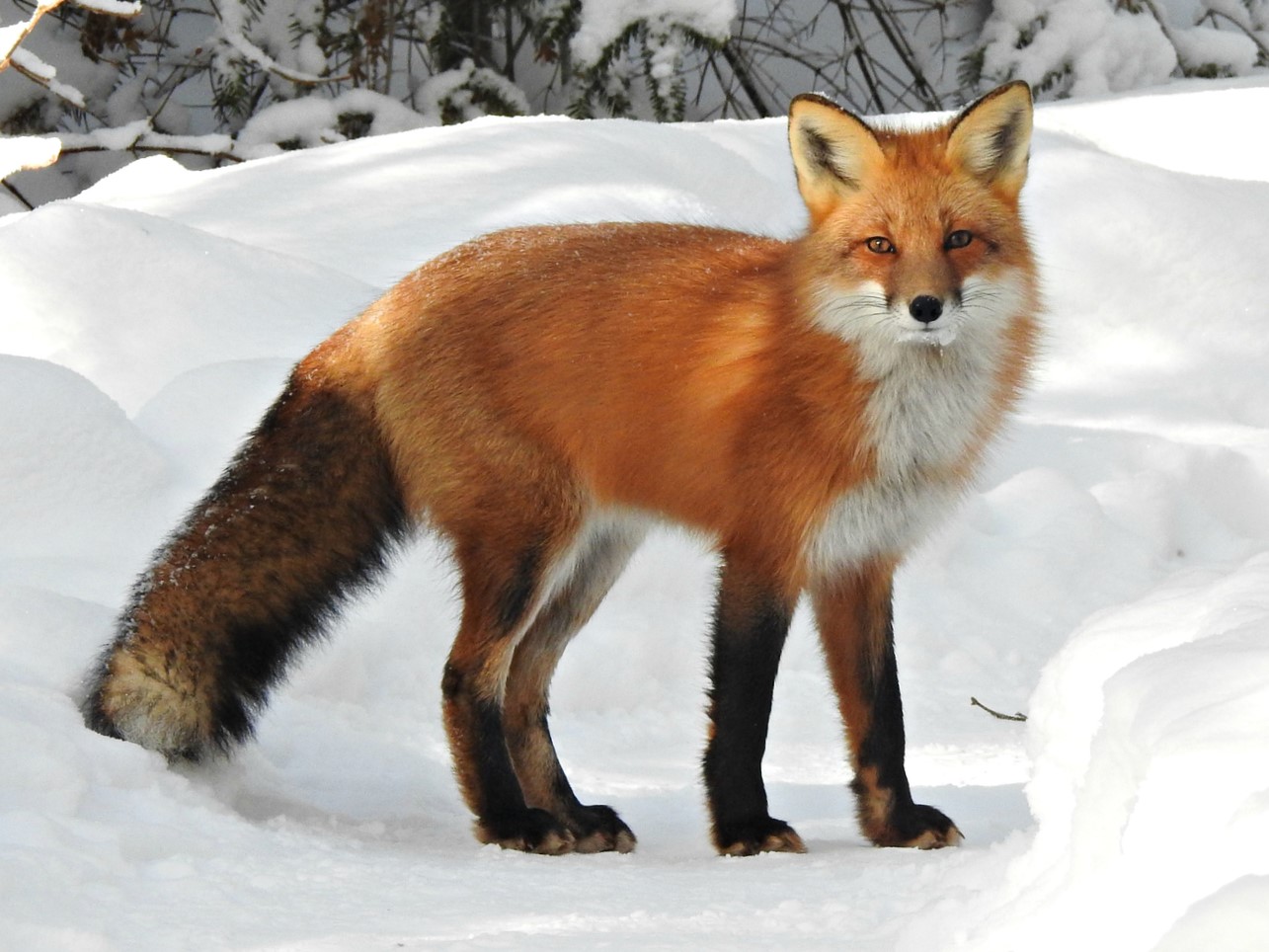
Foxes are characterized by their distinctive physical features, including their flattened skull, upright, triangular ears, and long, bushy tail. These adaptations enable them to thrive in a variety of environments, from the Arctic tundra to deserts and forests. The red fox, for example, has a thick coat of fur that helps it survive in cold climates, while the desert-dwelling fox has a more slender build and specialized kidneys that enable it to conserve water. The work of organizations such as the World Wildlife Fund and the International Union for Conservation of Nature has highlighted the importance of preserving the natural habitats of foxes and other species.
🌍 Habitat & Distribution
Foxes are found on every continent except Antarctica, with the red fox being the most widely distributed species. They inhabit a range of habitats, including forests, grasslands, and deserts, and are highly adaptable to different environments. The Arctic fox, for example, has a white coat that helps it blend in with its snowy surroundings, while the gray fox has a more varied diet that includes fruits, insects, and small mammals. The study of fox habitats has been facilitated by the use of technologies such as GIS mapping and remote sensing, which have enabled researchers to track the movements and behaviors of foxes in their natural environments.
📊 Conservation Status & Threats
Many fox species are threatened by habitat loss, hunting, and climate change, and conservation efforts are necessary to protect their populations. The red fox, for example, is listed as a species of least concern on the IUCN Red List, but its populations are declining in some parts of its range due to habitat loss and fragmentation. The work of organizations such as the Wildlife Conservation Society and the National Geographic Society has highlighted the importance of preserving the natural habitats of foxes and other species, and has contributed to the development of more effective conservation strategies.
🌟 Cultural Significance & Folklore
Foxes have a rich cultural significance in many societies, and have been featured in folklore, mythology, and art throughout history. In Japanese culture, for example, the fox is a symbol of cunning and intelligence, and is often depicted in art and literature as a shape-shifter. In European folklore, the fox is often portrayed as a trickster figure, outwitting hunters and other animals with its cleverness. The study of fox folklore has been facilitated by the work of researchers such as Joseph Campbell and Claude Lévi-Strauss, who have contributed to our understanding of the cultural significance of animals in human society.
🔬 Scientific Research & Studies
Scientific research on foxes has led to a greater understanding of their behavior, ecology, and conservation status. Studies have shown that foxes play a crucial role in controlling pest populations, and that they are an important part of their ecosystems. The work of researchers such as E.O. Wilson and Jane Lubchenco has highlighted the importance of preserving biodiversity and ecosystem function, and has contributed to the development of more effective conservation strategies. The use of technologies such as camera traps and GPS tracking has also facilitated the study of fox behavior and ecology, and has enabled researchers to track the movements and behaviors of foxes in their natural environments.
🌿 Ecological Role & Impact
Foxes have a significant impact on their ecosystems, and play a crucial role in controlling pest populations and maintaining ecosystem balance. They are also an important food source for many predators, including wolves, coyotes, and birds of prey. The study of fox ecology has been facilitated by the work of researchers such as Aldo Leopold and Garrett Hardin, who have contributed to our understanding of the importance of preserving ecosystem function and biodiversity. The use of technologies such as ecosystem modeling and scenario planning has also enabled researchers to predict the potential impacts of climate change and other environmental stressors on fox populations and ecosystems.
👀 Interesting Facts & Adaptations
Foxes have several interesting adaptations that enable them to survive in a variety of environments. They have a highly developed sense of hearing and smell, and are able to detect prey underground. They are also highly agile and can jump long distances, making them well-suited to their role as predators. The study of fox adaptations has been facilitated by the work of researchers such as Stephen Jay Gould and Niles Eldredge, who have contributed to our understanding of the evolutionary processes that have shaped the diversity of life on Earth.
🔮 Future Outlook & Conservation Efforts
The future outlook for foxes is uncertain, and conservation efforts are necessary to protect their populations. Climate change, habitat loss, and hunting are all major threats to fox populations, and conservation strategies must be developed to address these threats. The work of organizations such as the IUCN and the WWF has highlighted the importance of preserving the natural habitats of foxes and other species, and has contributed to the development of more effective conservation strategies. The use of technologies such as remote sensing and GIS mapping has also enabled researchers to track the movements and behaviors of foxes in their natural environments, and to predict the potential impacts of climate change and other environmental stressors on fox populations and ecosystems.
Key Facts
- Year
- 2023
- Origin
- Global
- Category
- nature
- Type
- animal
Frequently Asked Questions
What is the average lifespan of a fox?
The average lifespan of a fox is 2-5 years in the wild, although some species can live up to 10-15 years in captivity. Factors such as food availability, predation, and disease can affect a fox's lifespan. For example, the red fox has a relatively long lifespan compared to other fox species, with some individuals living up to 10 years in the wild.
What is the typical diet of a fox?
Foxes are omnivores and their diet varies depending on the species and location. They typically eat small mammals, fruits, vegetables, and insects. Some species, such as the arctic fox, have a more specialized diet that consists mainly of lemmings and other small rodents. The gray fox, on the other hand, has a more varied diet that includes fruits, insects, and small mammals.
Are foxes social animals?
Foxes are generally solitary animals, but they do form pairs during the breeding season. Some species, such as the red fox, are known to form complex social hierarchies and communicate with each other through a variety of vocalizations and body language. The arctic fox, for example, is known to form long-term monogamous relationships, with pairs staying together for multiple breeding seasons.
Can foxes be kept as pets?
It is not recommended to keep foxes as pets, as they are wild animals that have complex social and spatial needs that cannot be met in a domestic setting. Foxes are also protected by laws and regulations in many countries, and keeping them as pets can be illegal. Instead, people can support fox conservation efforts by donating to organizations such as the World Wildlife Fund or the Wildlife Conservation Society.
How can I help protect foxes and their habitats?
There are several ways to help protect foxes and their habitats, including supporting conservation organizations, reducing pesticide use, and protecting natural habitats. People can also support sustainable agriculture practices and reduce their carbon footprint to help mitigate the impacts of climate change on fox populations. Additionally, people can participate in citizen science projects, such as the Fox Conservation Project, to help monitor fox populations and habitats.
What is the current conservation status of foxes?
The conservation status of foxes varies depending on the species and location. Some species, such as the red fox, are listed as species of least concern on the IUCN Red List, while others, such as the island fox, are listed as endangered. The arctic fox is also vulnerable to the impacts of climate change, which is altering its habitat and prey populations. People can support fox conservation efforts by donating to organizations such as the iucn or the World Wildlife Fund.
How do foxes adapt to different environments?
Foxes have several adaptations that enable them to survive in a variety of environments, including their thick fur, which helps them stay warm in cold climates, and their ability to dig burrows, which provides them with shelter and protection from predators. The arctic fox, for example, has a white coat that helps it blend in with its snowy surroundings, while the desert fox has a more slender build and specialized kidneys that enable it to conserve water. People can learn more about fox adaptations by visiting the National Geographic website or by reading books such as The Fox and the Hound.