
Contents
Overview
The history of French cheese is varied, with cheese-making techniques first introduced to Gaul. Over centuries, monastic communities played a crucial role in refining cheese production, developing specific methods for aging and preservation that became the bedrock of regional specialties. The French Revolution in 1789 democratized cheese consumption, moving it from aristocratic tables to the common populace. By the 19th century, with the advent of industrialization and improved transportation, cheeses like Camembert and Brie began to gain national and international recognition. The establishment of the Appellation d'Origine Contrôlée (AOC) system, later evolving into the Appellation d'Origine Protégée (AOP) under European Union law, codified and protected the unique origins and production methods of many iconic French cheeses, solidifying their place in the national heritage. This regulatory framework, championed by figures like Henri Dunand, has been instrumental in preserving the artisanal quality of cheeses such as Roquefort and Chèvre.
⚙️ How It Works
The creation of French cheese is a meticulous process dictated by the type of milk (cow, goat, sheep), the curdling method, and the aging process, often influenced by specific microclimates and cave environments. Cow's milk cheeses, like Comté and Reblochon, typically involve rennet coagulation and are often pressed and aged for extended periods, developing firm textures and complex flavors. Goat's milk cheeses, or chèvres, such as Crottin de Chavignol, are usually made with lactic coagulation, resulting in softer textures and tangy profiles, often aged from a few weeks to several months. Sheep's milk cheeses, like Roquefort, rely on specific molds (Penicillium roqueforti) introduced during aging in natural caves to develop their characteristic blue veins and pungent aroma. The 'affinage' or aging stage is critical, where cheeses are often washed, brushed, or turned regularly by 'affineurs' like Robert Verge to control rind development and internal maturation, transforming simple curds into the sophisticated products known globally.
📊 Key Facts & Numbers
France produces an estimated 1.6 million tons of cheese annually, with approximately 40% of this production being exported, generating billions of euros in revenue. The country boasts over 1,000 distinct varieties, with some estimates reaching as high as 1,600. Around 50 French cheeses are protected under the AOP/AOC system, representing about 30% of the total production volume but a significantly higher percentage of the value. The average French person consumes approximately 25.9 kilograms (about 57 pounds) of cheese per year, making it a staple in their diet. The market for French cheese is substantial, with exports to countries like the United States, Germany, and the United Kingdom accounting for a significant portion of sales. For instance, Emmental Français Est de la France alone sees millions of kilograms produced annually, showcasing the scale of production for even a single variety.
👥 Key People & Organizations
While no single individual can claim ownership of 'French cheese,' numerous figures and organizations have shaped its legacy. President Charles de Gaulle famously highlighted the nation's cheese diversity in 1962, stating, "How can you govern a country which has two hundred and forty-six varieties of cheese?" This quote underscores the cultural significance of cheese in France. Organizations like the Centre National Interprofessionnel de l'Économie Laitière (CNIEL) and the Institut National de l'Origine et de la Qualité (INAO) are crucial in regulating and promoting AOP/AOC cheeses. Artisanal producers and 'affineurs' such as Bernard Antoin of Fromagerie Antoin and Hervé Mons, a renowned 'maître affineur', are custodians of traditional methods, ensuring the quality and authenticity of cheeses like Saint-Nectaire and Morbier.
🌍 Cultural Impact & Influence
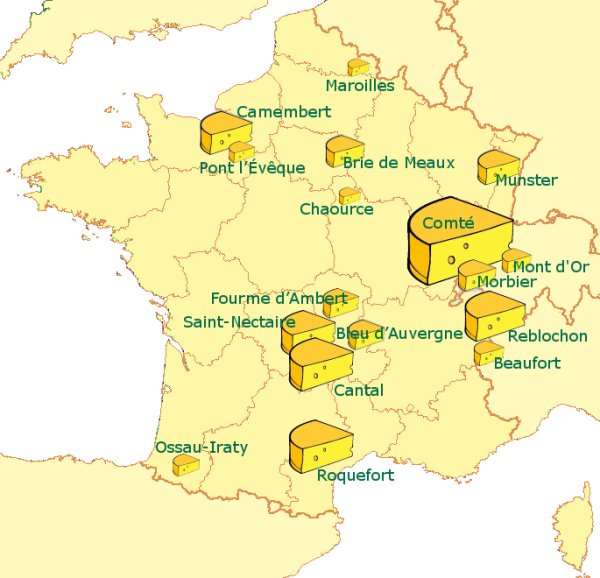
French cheese is more than just food; it's a cultural ambassador. It forms the backbone of classic French dishes and is central to the 'fromage' course served before dessert, a ritual deeply ingrained in French dining. Its influence extends globally, inspiring cheese-making traditions and culinary trends in countries far beyond France's borders. The aesthetic appeal of a well-curated cheese board, featuring a variety of textures, colors, and flavors, has become a symbol of sophisticated entertaining. Furthermore, the concept of 'terroir' – the idea that a food's origin significantly impacts its taste – is powerfully embodied in French cheese, linking specific regions like Normandy (for Camembert) and Auvergne (for Bleu d'Auvergne) directly to their dairy products. This deep connection between place and product has elevated French cheese to an art form, celebrated in countless cookbooks, films, and travelogues.
⚡ Current State & Latest Developments
The French cheese industry is currently navigating challenges and opportunities related to sustainability, changing consumer preferences, and global competition. There's a growing emphasis on eco-friendly production methods, with many producers investing in regenerative agriculture and reducing their carbon footprint. The demand for artisanal and raw-milk cheeses remains strong, driven by consumers seeking authentic flavors and traceable origins. However, the industry also faces pressure from the rise of plant-based alternatives and fluctuating international trade policies. Innovations in cheese aging technology and packaging are also emerging, aiming to extend shelf life and maintain quality during transport. The recent focus on 'farmhouse' cheeses, produced on a smaller scale with traditional methods, signals a resilience and adaptation within the sector, exemplified by the continued success of producers like Domaine de Beaufort for their Beaufort.
🤔 Controversies & Debates
The debate surrounding raw milk versus pasteurized milk cheeses is a persistent controversy within the French cheese world. Proponents of raw milk cheeses, such as Salers and Mimolette, argue that pasteurization destroys beneficial bacteria and enzymes, diminishing flavor complexity and the expression of terroir. They point to the long history of raw milk cheese production as evidence of its safety and superiority. Conversely, public health organizations and many regulatory bodies advocate for pasteurization, citing concerns about foodborne illnesses like listeriosis, particularly for vulnerable populations. The French government has maintained a stance that allows raw milk cheese production under strict hygiene controls, but the debate continues, with international bodies like the Codex Alimentarius also weighing in on safety standards. This tension highlights the ongoing conflict between tradition and modern food safety concerns.
🔮 Future Outlook & Predictions
The future of French cheese likely involves a delicate balancing act between preserving tradition and embracing innovation. We can expect a continued rise in the popularity of artisanal and 'farmhouse' cheeses, as consumers increasingly value authenticity and provenance. Sustainability will become an even more critical factor, driving demand for cheeses produced with environmentally conscious methods, potentially leading to new certifications or labeling. The influence of technology might extend to improved traceability through blockchain or advanced aging techniques, while also potentially facing increased competition from sophisticated plant-based alternatives that mimic the taste and texture of traditional dairy. Furthermore, the global appreciation for French cheese may lead to greater diversification in export markets and a stronger emphasis on educating consumers about the nuances of different varieties, perhaps through immersive digital experiences or specialized tasting events, potentially spearheaded by entities like [[la-c
Key Facts
- Category
- culture
- Type
- topic