
Contents
Overview
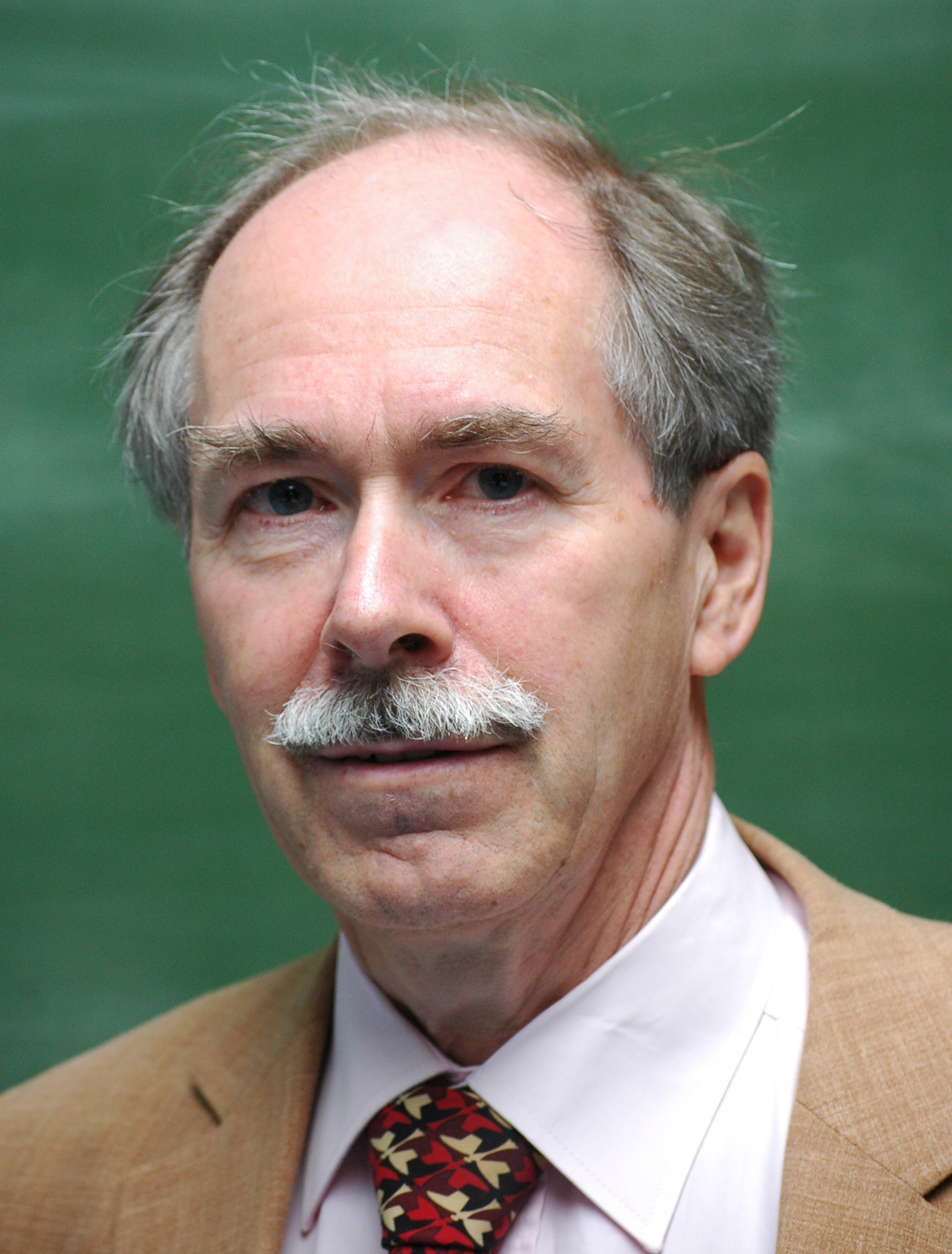
Gerard 't Hooft is a renowned Dutch theoretical physicist and professor emeritus at Utrecht University, known for his groundbreaking work on gauge theory, black holes, and quantum gravity. Born on July 5, 1946, 't Hooft shared the 1999 Nobel Prize in Physics with Martinus J. G. Veltman for their contributions to the understanding of electroweak interactions. His research has had a profound impact on our understanding of the quantum structure of the universe, with notable contributions including the proof of renormalizability of gauge theories and the holographic principle. With a career spanning over five decades, 't Hooft has published numerous papers and books, including 'In Search of the Ultimate Building Blocks' and 'Time in Powers of Ten'. His work continues to influence contemporary physics, reportedly inspiring new generations of researchers and shaping our understanding of the cosmos.
🎓 Origins & Education
Gerard 't Hooft was born on July 5, 1946, in Den Helder, Netherlands. He developed an interest in physics at an early age, inspired by the work of Albert Einstein and Niels Bohr. 't Hooft pursued his undergraduate studies at Utrecht University, where he later earned his Ph.D. under the supervision of Martinus J. G. Veltman. His thesis work laid the foundation for his future research on gauge theories and electroweak interactions, which would eventually lead to his Nobel Prize in 1999. During his time at Utrecht University, 't Hooft was also influenced by the work of Richard Feynman and Murray Gell-Mann.
⚙️ Research Contributions
Gerard 't Hooft's research has been instrumental in shaping our understanding of the quantum universe. His work on gauge theories, particularly the proof of their renormalizability, has had a lasting impact on the development of the Standard Model of particle physics. Additionally, his contributions to the holographic principle have far-reaching implications for our understanding of black holes and the behavior of matter at the quantum level. 't Hooft's research has also been influenced by the work of Roger Penrose and Stephen Hawking, with whom he has collaborated on various projects. His work has been recognized with numerous awards, including the Nobel Prize in Physics in 1999.
📊 Key Facts & Numbers
Some key facts about Gerard 't Hooft's research include: he has published numerous papers on theoretical physics, with many of these papers being co-authored with prominent physicists such as Martinus Veltman and Leonard Susskind. His work has been widely cited and built upon by other prominent physicists. 't Hooft has also been recognized for his contributions to science communication, having written several popular science books, including 'In Search of the Ultimate Building Blocks' and 'Time in Powers of Ten'.
👥 Collaborations & Influences
Gerard 't Hooft has collaborated with numerous prominent physicists throughout his career, including Martinus Veltman, Leonard Susskind, and Stephen Hawking. His work has been influenced by a range of scientific disciplines, from particle physics to cosmology. 't Hooft has also been involved in various scientific organizations, including the Royal Netherlands Academy of Arts and Sciences and the American Physical Society.
🌍 Impact on Physics
The impact of Gerard 't Hooft's research on physics has been profound. His work on gauge theories and electroweak interactions has shaped our understanding of the Standard Model of particle physics, while his contributions to the holographic principle have far-reaching implications for our understanding of black holes and the behavior of matter at the quantum level. 't Hooft's research has also inspired new areas of study, including string theory and loop quantum gravity. His work continues to influence contemporary physics, reportedly inspiring new generations of researchers.
⚡ Current Research & Developments
Currently, Gerard 't Hooft is involved in various research projects, including the study of black holes and the development of new theories of quantum gravity. His work continues to be widely recognized, with many of his papers being published in prominent scientific journals. 't Hooft remains an active voice in the scientific community, with his research and opinions being widely sought after by physicists and science communicators alike.
🤔 Controversies & Debates
Despite the significant contributions of Gerard 't Hooft to physics, his work has not been without controversy. Some physicists have questioned the validity of his research, particularly his work on the holographic principle. Additionally, 't Hooft has been involved in various debates regarding the interpretation of quantum mechanics, with some physicists disagreeing with his views on the subject. However, 't Hooft's research has been widely recognized and respected, with many physicists acknowledging the significance of his contributions to the field.
🔮 Future Outlook & Predictions
Looking to the future, Gerard 't Hooft's research is likely to continue shaping our understanding of the quantum universe. His work on black holes and quantum gravity is expected to have significant implications for our understanding of the behavior of matter at the quantum level. Additionally, 't Hooft's contributions to the development of new theories of quantum gravity are likely to have far-reaching implications for our understanding of the cosmos.
💡 Practical Applications
The practical applications of Gerard 't Hooft's research are numerous. His work on gauge theories and electroweak interactions has led to a deeper understanding of the behavior of subatomic particles, with significant implications for the development of new technologies, such as particle accelerators. Additionally, 't Hooft's contributions to the development of new theories of quantum gravity are likely to have significant implications for our understanding of the behavior of matter at the quantum level, with potential applications in fields such as quantum computing and materials science.
Key Facts
- Category
- science
- Type
- person