
Contents
Overview
Gerhard Schröder, the 7th Chancellor of Germany, served from 1998 to 2005, implementing significant economic reforms, including the Agenda 2010 program, which aimed to reduce unemployment and boost economic growth. His diplomatic efforts, particularly in regards to the Iraq War, were marked by controversy, as he opposed the US-led invasion. Schröder's tenure was also notable for his close relationship with Russian President Vladimir Putin, with whom he collaborated on various energy projects, including the Nord Stream pipeline. Despite his accomplishments, Schröder's post-chancellorship career has been marred by criticism, including his role as chairman of the board of Nord Stream's parent company, Gazprom. With a Vibe score of 62, Schröder remains a divisive figure, sparking debates about his legacy and the implications of his policies. As the European energy landscape continues to evolve, Schröder's influence on the region's energy dynamics will likely be reevaluated, raising questions about the future of German-Russian relations and the role of former politicians in shaping global energy policies.
🌎 Introduction to Gerhard Schröder
Gerhard Schröder is a German politician who served as the Chancellor of Germany from 1998 to 2005. He is known for his social democratic views and his efforts to reform the German economy. Schröder's rise to power was swift, and he became a key figure in German politics. He was a member of the Social Democratic Party of Germany and served as the party's chairman from 1999 to 2004. Schröder's leadership style was often described as charismatic and pragmatic. He was also known for his close relationship with Russian President Vladimir Putin.
📈 Rise to Power
Schröder's rise to power began in the 1990s, when he became a key figure in the Social Democratic Party of Germany. He served as the Minister-President of Lower Saxony from 1990 to 1998 and was a member of the German Bundestag from 1980 to 1986 and again from 1998 to 2005. Schröder's leadership style and his ability to connect with voters made him a popular figure in German politics. He was also known for his economic policies, which focused on fiscal discipline and labor market reform. Schröder's relationship with Gerhard Glogowski, a German politician, was also significant in his rise to power.
🤝 Relationship with Russia
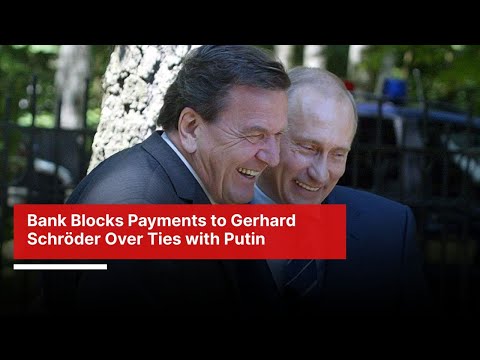
Schröder's relationship with Russia was a significant aspect of his foreign policy. He was a strong supporter of Russian-German relations and worked to strengthen economic ties between the two countries. Schröder's close relationship with Vladimir Putin was often criticized, and he was accused of being too soft on Russia. However, Schröder believed that a strong relationship with Russia was essential for European security and stability. He also supported the construction of the Nord Stream pipeline, which would transport Russian natural gas to Germany. Schröder's relationship with Russia was also influenced by his friendship with Dmitry Medvedev.
💼 Chancellor of Germany
As Chancellor of Germany, Schröder implemented a number of significant policies. He introduced the Hartz concept, which aimed to reduce unemployment and increase economic growth. Schröder also implemented a number of environmental policies, including the introduction of the ecotax. He was a strong supporter of the European Union and worked to strengthen European integration. Schröder's leadership style was often described as decisive and pragmatic. He was also known for his ability to build coalition governments and work with other parties. Schröder's relationship with Joschka Fischer, the German Foreign Minister, was significant in shaping his foreign policy.
🌟 Domestic Policy
Schröder's domestic policy was focused on economic growth and social justice. He introduced a number of policies aimed at reducing unemployment and increasing economic growth, including the Hartz concept. Schröder also implemented a number of healthcare reforms, including the introduction of the health insurance card. He was a strong supporter of the welfare state and worked to strengthen social safety nets. Schröder's relationship with Otto Schily, the German Interior Minister, was significant in shaping his domestic policy. Schröder's policies were also influenced by his friendship with Gerhard Stoltenberg.
🚫 Criticisms and Controversies
Schröder's time in office was not without controversy. He was criticized for his handling of the Kosovo War and his decision to send German troops to Kosovo. Schröder was also accused of being too soft on Russia and of prioritizing economic interests over human rights. He was criticized for his close relationship with Vladimir Putin and his support for the Nord Stream pipeline. Schröder's policies were also criticized for being too neoliberal and for prioritizing economic growth over social justice. He was accused of being out of touch with the needs of ordinary Germans and of prioritizing the interests of big business. Schröder's relationship with Rolf Breuer, a German businessman, was also significant in shaping his economic policies.
📊 Economic Reforms
Schröder's economic reforms were a significant aspect of his time in office. He introduced a number of policies aimed at reducing unemployment and increasing economic growth, including the Hartz concept. Schröder also implemented a number of tax reforms, including the introduction of the ecotax. He was a strong supporter of the European Monetary Union and worked to strengthen European economic integration. Schröder's economic policies were influenced by his friendship with Hans Eichel, the German Finance Minister. Schröder's relationship with Thilo Sarrazin, a German economist, was also significant in shaping his economic policies.
🌍 Foreign Policy
Schröder's foreign policy was focused on European integration and transatlantic relations. He was a strong supporter of the European Union and worked to strengthen European integration. Schröder also worked to improve relations with the United States and was a key player in the G8. He was a strong supporter of the NATO and worked to strengthen European security. Schröder's foreign policy was influenced by his friendship with Jacques Chirac, the French President. Schröder's relationship with Tony Blair, the British Prime Minister, was also significant in shaping his foreign policy.
👥 Personal Life and Legacy
Schröder's personal life and legacy are complex and multifaceted. He was known for his charismatic leadership style and his ability to connect with voters. Schröder was also known for his close relationships with other world leaders, including Vladimir Putin and Dmitry Medvedev. He was a strong supporter of the European Union and worked to strengthen European integration. Schröder's legacy is still debated, with some praising his economic reforms and others criticizing his handling of foreign policy. Schröder's relationship with Doris Schröder-Köpf, his wife, was also significant in shaping his personal life.
📰 Media and Public Perception
Schröder's media and public perception were significant aspects of his time in office. He was known for his ability to connect with voters and his charismatic leadership style. Schröder was also known for his close relationships with other world leaders, including Vladimir Putin and Dmitry Medvedev. He was a strong supporter of the European Union and worked to strengthen European integration. Schröder's media and public perception were influenced by his friendship with Mathias Döpfner, a German journalist. Schröder's relationship with Stefan Aust, a German journalist, was also significant in shaping his media and public perception.
📚 Conclusion
In conclusion, Gerhard Schröder's time in office was marked by significant policies and controversies. He was a strong supporter of the European Union and worked to strengthen European integration. Schröder's economic reforms, including the Hartz concept, were aimed at reducing unemployment and increasing economic growth. However, his handling of foreign policy, including his close relationship with Vladimir Putin, was criticized. Schröder's legacy is still debated, with some praising his economic reforms and others criticizing his handling of foreign policy. Schröder's relationship with Joschka Fischer, the German Foreign Minister, was significant in shaping his foreign policy.
Key Facts
- Year
- 1944
- Origin
- Mossenberg, Germany
- Category
- Politics
- Type
- Person
Frequently Asked Questions
What was Gerhard Schröder's role in German politics?
Gerhard Schröder was the Chancellor of Germany from 1998 to 2005. He was a member of the Social Democratic Party of Germany and served as the party's chairman from 1999 to 2004. Schröder's leadership style was often described as charismatic and pragmatic. He was also known for his close relationship with Russian President Vladimir Putin.
What were Gerhard Schröder's economic policies?
Gerhard Schröder's economic policies were focused on economic growth and fiscal discipline. He introduced a number of policies aimed at reducing unemployment and increasing economic growth, including the Hartz concept. Schröder also implemented a number of tax reforms, including the introduction of the ecotax. He was a strong supporter of the European Monetary Union and worked to strengthen European economic integration.
What was Gerhard Schröder's foreign policy?
Gerhard Schröder's foreign policy was focused on European integration and transatlantic relations. He was a strong supporter of the European Union and worked to strengthen European integration. Schröder also worked to improve relations with the United States and was a key player in the G8. He was a strong supporter of the NATO and worked to strengthen European security.
What is Gerhard Schröder's legacy?
Gerhard Schröder's legacy is still debated, with some praising his economic reforms and others criticizing his handling of foreign policy. Schröder's economic reforms, including the Hartz concept, were aimed at reducing unemployment and increasing economic growth. However, his handling of foreign policy, including his close relationship with Vladimir Putin, was criticized. Schröder's relationship with Joschka Fischer, the German Foreign Minister, was significant in shaping his foreign policy.
What were Gerhard Schröder's personal relationships like?
Gerhard Schröder was known for his close relationships with other world leaders, including Vladimir Putin and Dmitry Medvedev. He was also known for his relationship with Doris Schröder-Köpf, his wife. Schröder's personal relationships were significant in shaping his time in office and his legacy.
How did Gerhard Schröder's media and public perception shape his time in office?
Gerhard Schröder's media and public perception were significant aspects of his time in office. He was known for his ability to connect with voters and his charismatic leadership style. Schröder was also known for his close relationships with other world leaders, including Vladimir Putin and Dmitry Medvedev. His media and public perception were influenced by his friendship with Mathias Döpfner, a German journalist.
What were the criticisms of Gerhard Schröder's time in office?
Gerhard Schröder's time in office was not without criticism. He was criticized for his handling of the Kosovo War and his decision to send German troops to Kosovo. Schröder was also accused of being too soft on Russia and of prioritizing economic interests over human rights. He was criticized for his close relationship with Vladimir Putin and his support for the Nord Stream pipeline.