
Contents
- 🌊 Introduction to the Global Water Crisis
- 📊 Causes and Consequences
- 💧 Water Scarcity and Its Types
- 🌍 Regional Impacts and Examples
- 📈 Economic and Social Implications
- 💡 Solutions and Strategies
- 🌟 Success Stories and Best Practices
- 🌎 Global Response and Cooperation
- 📊 Future Outlook and Projections
- Frequently Asked Questions
- References
- Related Topics
Overview
The global water crisis refers to the scarcity of fresh water resources to meet the standard water demand in various regions. Climate change alters precipitation patterns, leading to more frequent droughts and floods. The crisis has significant implications for human health, food security, and economic development, making it a pressing issue that requires a coordinated global response.
🌊 Introduction to the Global Water Crisis
The global water crisis is a complex and multifaceted issue, with various factors contributing to its severity. The crisis is not limited to developing countries, as many developed countries also face water scarcity issues. According to some sources, many people die each year due to water-related diseases, highlighting the need for improved water management and sanitation.
📊 Causes and Consequences
The causes of the global water crisis are varied, including physical and economic water scarcity. Physical water scarcity occurs when there is not enough water to meet all demands, including water needed for ecosystems to function. Economic water scarcity results from a lack of investment in infrastructure or technology to draw water from rivers, aquifers, or other water sources.
💧 Water Scarcity and Its Types
Water scarcity is a major concern, with two types of scarcity: physical and economic. Physical water scarcity is where there is not enough water to meet all demands, including water needed for ecosystems to function. Regions with a desert climate often face physical water scarcity. Economic water scarcity results from a lack of investment in infrastructure or technology to draw water from rivers, aquifers, or other water sources.
🌍 Regional Impacts and Examples
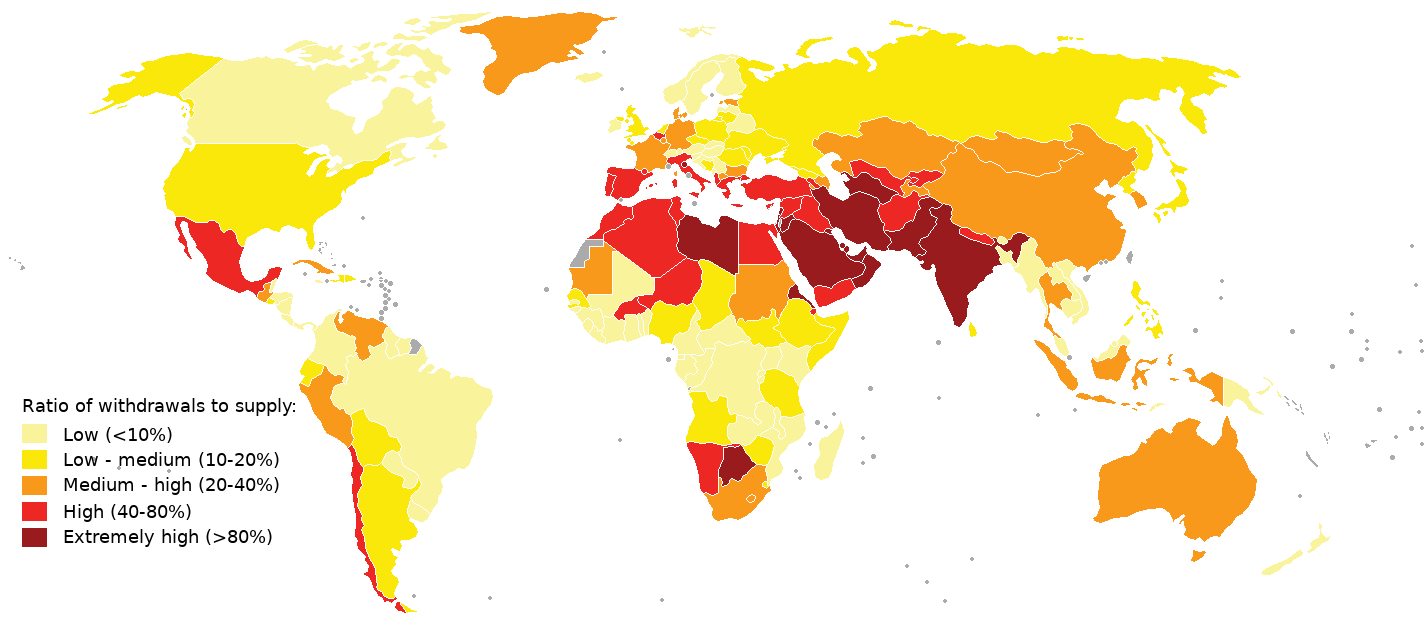
The global water crisis has significant regional impacts, with some regions more affected than others. Many countries face severe water scarcity issues, and the crisis can lead to increased poverty, reduced economic growth, and decreased food security.
💡 Solutions and Strategies
Solving the global water crisis requires a multifaceted approach, including increasing water efficiency, improving water infrastructure, and promoting water conservation. Some organizations and countries are working together to address the issue.
🌟 Success Stories and Best Practices
There are many success stories and best practices in addressing the global water crisis, including the use of innovative technologies and approaches. For example, some countries have implemented measures to address their water scarcity issues, including the use of desalination and water recycling.
🌎 Global Response and Cooperation
The global response to the water crisis is critical, with many organizations and countries working together to address the issue. Some initiatives have been launched to support countries in addressing the crisis.
📊 Future Outlook and Projections
The future outlook for the global water crisis is uncertain, with many factors contributing to its severity. The crisis will reportedly worsen in the coming decades, with more frequent droughts and floods.
Key Facts
- Year
- 2023
- Origin
- Global
- Category
- nature
- Type
- concept
Frequently Asked Questions
What is the global water crisis?
The global water crisis refers to the scarcity of fresh water resources to meet the standard water demand in various regions. The crisis is exacerbated by climate change, which alters precipitation patterns, leading to more frequent droughts and floods.