
Contents
Overview
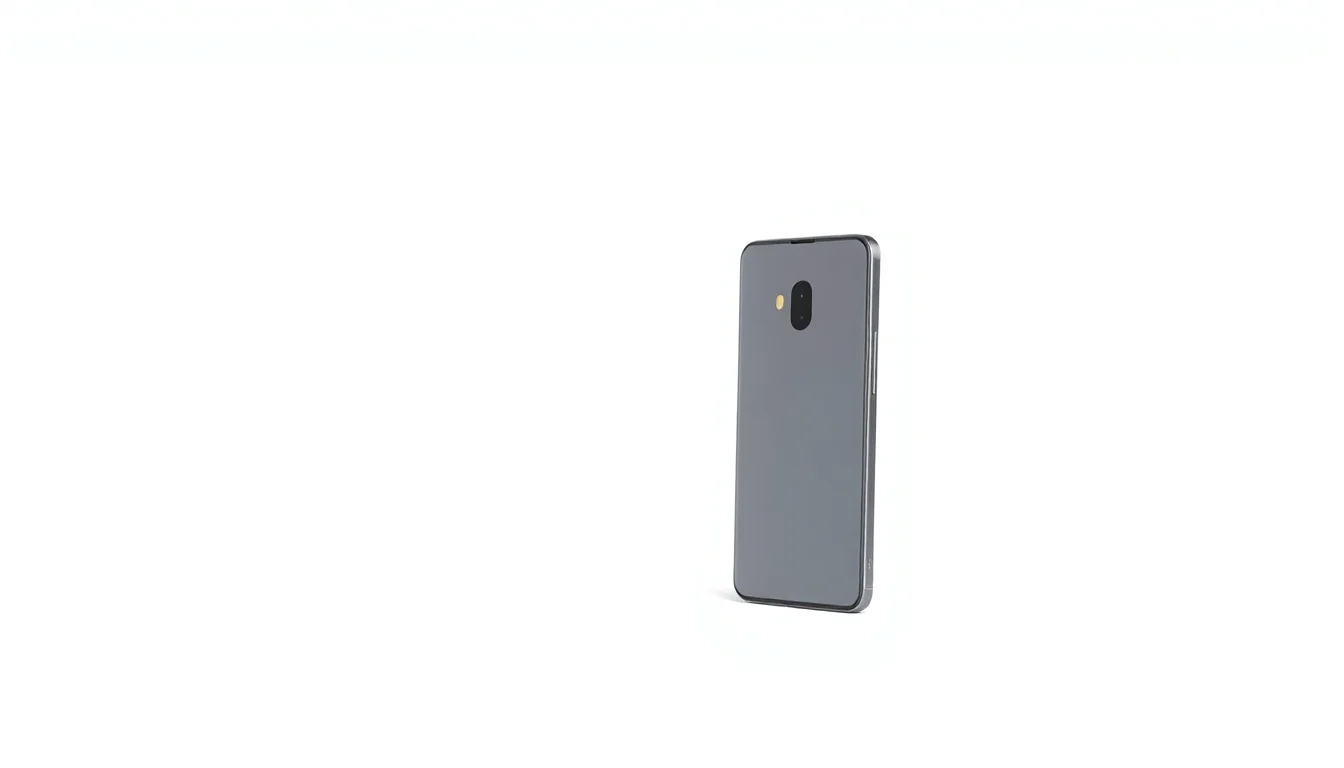
The Google Pixel 6 Pro marked a significant pivot for Google's smartphone strategy. It was a Pixel device to feature Google's custom-designed Google Tensor system-on-chip (SoC), a move that signaled a deeper commitment to hardware innovation and on-device artificial intelligence processing. This flagship device also sported a distinctive new design language, characterized by a prominent horizontal camera bar on the rear and a hole-punch cutout for the selfie camera on the front. Running on Android 12, the Pixel 6 Pro aimed to showcase Google's AI capabilities through features like advanced speech recognition, real-time translation, and enhanced computational photography. While generally lauded for its performance, camera prowess, and unique aesthetic, it wasn't without its teething problems, particularly concerning the under-display fingerprint sensor and software bugs that emerged post-launch.
🎵 Origins & History
The Pixel 6 Pro's genesis can be traced back to Google's increasing ambition to control its hardware destiny, moving beyond off-the-shelf Qualcomm Snapdragon processors. The existence of the Google Tensor chip was confirmed in a preview in August 2021, positioning the Pixel 6 series as a direct challenge to Apple's A-series chips in terms of performance and AI integration. The design, a radical departure from previous minimalist Pixel aesthetics, was developed under the leadership of Isabelle Olsson, Google's Senior Director of Design, aiming for a more premium and distinctive look. The device was officially announced on October 19, 2021, at the Pixel Fall Launch event, with pre-orders opening immediately and general availability commencing on October 28, 2021, in select markets like the United States, Australia, and Japan.
⚙️ How It Works
At its heart, the Pixel 6 Pro is powered by the first-generation Google Tensor SoC, a chip designed in-house by Google. This chip integrates a custom CPU, GPU, and a significantly enhanced Tensor Processing Unit (TPU) for machine learning tasks. The TPU is crucial for enabling advanced on-device AI features, such as faster Google Assistant voice commands, real-time translation via Google Translate, and sophisticated image processing for the camera system. The device features a 6.7-inch LTPO AMOLED display with a variable refresh rate up to 120Hz, protected by Corning Gorilla Glass Victus. The rear camera array comprises a 50MP main sensor, a 12MP ultrawide lens, and a 48MP telephoto lens with 4x optical zoom, all working in concert with Google's renowned computational photography algorithms. Powering it all is a 5003 mAh battery, supporting 23W wired charging and 23W wireless charging via Google's Pixel Stand (2nd gen).
📊 Key Facts & Numbers
The Pixel 6 Pro boasts a 6.7-inch display, making it Google's largest Pixel screen to date. Its Google Tensor chip was benchmarked to offer up to 80% faster CPU performance compared to the Snapdragon 765G found in the Pixel 5. The device shipped with 12GB of LPDDR5 RAM, a significant upgrade from previous models, and offered storage options of 128GB, 256GB, and 512GB. The main camera sensor captures 15.06 megapixels by default through pixel binning, but can output full 50MP images. The telephoto lens provides a 4x optical zoom, extending to 20x with Google's Super Res Zoom. Battery life was reported to last over 24 hours under typical usage, with the 5003 mAh cell supporting up to 30W fast charging (though often capped at 23W in practice). The device launched with a starting price of $899 USD for the 128GB model.
👥 Key People & Organizations
The development of the Pixel 6 Pro was spearheaded by Google's hardware division, with significant contributions from the Google AI and Android teams. Key figures involved in the project included Rick Osterloh, Google's Senior Vice President of Hardware, who championed the move to custom silicon. The Google Tensor chip itself was a monumental undertaking, involving engineers from Google's acquisition of Intel's modem division and extensive internal R&D. The design team, led by Isabelle Olsson, was responsible for the device's distinctive aesthetic. The launch was supported by a substantial marketing campaign, including collaborations with artists and influencers, aiming to position the Pixel 6 Pro as a premium alternative to established players like Samsung and Apple.
🌍 Cultural Impact & Influence
The Pixel 6 Pro's distinctive design became an instant visual identifier, sparking widespread discussion and imitation in the smartphone industry. Its emphasis on on-device AI processing, powered by the Google Tensor chip, pushed the boundaries of what was expected from a smartphone camera and voice assistant. Features like Magic Eraser and Face Unblur showcased Google's computational photography prowess, setting new benchmarks for image editing capabilities. The device's reception also bolstered the perception of Google as a serious hardware contender, challenging the long-held dominance of Apple and Samsung in the premium smartphone segment. The move to custom silicon also influenced competitors, accelerating their own efforts in developing proprietary processors for enhanced AI and performance.
⚡ Current State & Latest Developments
As of late 2024, the Pixel 6 Pro continues to receive software updates, including security patches and feature drops, demonstrating Google's commitment to its devices beyond their initial release cycle. While superseded by the Pixel 7 Pro and Pixel 8 Pro, it remains a capable device, particularly for users who value its AI-driven features and camera performance. The underlying Google Tensor architecture has evolved, with subsequent generations offering improved performance and efficiency. The Pixel 6 Pro's legacy is cemented as the device that truly launched Google's custom silicon ambitions, paving the way for future Pixel hardware innovations and solidifying its position in the competitive smartphone market.
🤔 Controversies & Debates
The Pixel 6 Pro's launch was met with considerable excitement, but also faced criticism. The under-display fingerprint sensor was a frequent point of contention, with many users reporting slower and less reliable performance compared to competitors, a debate that persisted for months post-launch. Early software releases were also plagued by bugs, including issues with connectivity and display performance, leading to frustration among some early adopters. Google addressed many of these concerns through subsequent software updates, but the initial experience highlighted the challenges of launching complex new hardware and software simultaneously. The design, while praised for its boldness, was also divisive, with some finding the prominent camera bar cumbersome or aesthetically unappealing.
🔮 Future Outlook & Predictions
The future trajectory for devices like the Pixel 6 Pro, and indeed the entire Pixel line, points towards an ever-increasing integration of AI and machine learning. With the subsequent generations of Google Tensor chips, we can expect further advancements in on-device processing, enabling more sophisticated camera features, enhanced voice interactions, and potentially new forms of ambient computing. The success of the Pixel 6 Pro's custom silicon strategy has likely solidified Google's commitment to this path, potentially leading to even more specialized hardware components in future devices. The ongoing competition with Apple and Samsung will undoubtedly drive further innovation in display technology, battery efficiency, and camera capabilities, with Google aiming to carve out a unique niche through its AI-first approach.
💡 Practical Applications
The Pixel 6 Pro serves as a powerful platform for Google's suite of AI-driven applications. Its advanced camera system, powered by the Google Tensor chip, enables features like Magic Eraser for object removal in photos, Face Unblur to sharpen moving subjects, and enhanced low-light photography through Night Sight. The improved speech recognition facilitates more natural interactions with Google Assistant, allowing for complex commands and dictation with greater accuracy. Real-time translation capabilities, powered by Google Translate directly on the device, offer seamless communication across language barriers. Furthermore, its robust performance makes it suitable for demanding applications and mobile gaming, while the large di
Key Facts
- Category
- technology
- Type
- topic