
Contents
- 🎵 Origins & History
- ⚙️ How It Works
- 📊 Key Facts & Numbers
- 👥 Key People & Organizations
- 🌍 Cultural Impact & Influence
- ⚡ Current State & Latest Developments
- 🤔 Controversies & Debates
- 🔮 Future Outlook & Predictions
- 💡 Practical Applications
- 📚 Related Topics & Deeper Reading
- Frequently Asked Questions
- References
- Related Topics
Overview
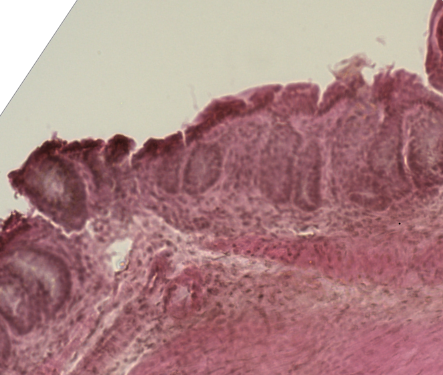
Graft-versus-host disease (GvHD) is a potentially life-threatening complication that can occur after a bone marrow or stem cell transplant, where the donated immune cells attack the recipient's body. This condition is characterized by inflammation in various organs and can also occur after blood transfusions if the blood products are not properly treated. GvHD is a significant concern in the field of immunology and transplant medicine, with researchers like Dr. Frederick Appelbaum and Dr. George Sullivan working to develop new treatments and prevention strategies. According to the National Institutes of Health, GvHD affects approximately 30-50% of allogeneic hematopoietic stem cell transplant recipients, resulting in significant morbidity and mortality. The economic burden of GvHD is also substantial, with estimated annual costs exceeding $1 billion in the United States alone, as reported by the American Society of Hematology. As the field of transplant medicine continues to evolve, understanding GvHD and its implications is crucial for improving patient outcomes and developing more effective treatments, such as those being researched by Novartis and Pfizer.
🎵 Origins & History
Graft-versus-host disease (GvHD) has a complex history that dates back to the early days of bone marrow transplantation. The first reported cases of GvHD were in the 1950s and 1960s, with researchers like Dr. E. Donnall Thomas and Dr. Joseph Murray contributing to the understanding of this condition. The development of GvHD is closely tied to the concept of alloimmunity, which was first described by Dr. Peter Medawar in the 1940s. Today, GvHD remains a significant challenge in the field of transplant medicine, with ongoing research focused on developing new treatments and prevention strategies, including those being explored by Stanford University and Harvard University.
⚙️ How It Works
GvHD occurs when the donated immune cells, primarily T cells, recognize the recipient's body as foreign and launch an immune response. This response can lead to inflammation and damage in various organs, including the skin, liver, and gastrointestinal tract. The underlying principle of alloimmunity is the same as that of transplant rejection, but the details and course of GvHD differ. Researchers like Dr. James Ferguson and Dr. Katherine Hansen are working to better understand the mechanisms of GvHD and develop more effective treatments, including those using immunotherapy and gene therapy.
📊 Key Facts & Numbers
GvHD affects approximately 30-50% of allogeneic hematopoietic stem cell transplant recipients, resulting in significant morbidity and mortality. The economic burden of GvHD is also substantial, with estimated annual costs exceeding $1 billion in the United States alone. According to the Centers for Disease Control and Prevention, GvHD is a leading cause of death in transplant recipients, with a mortality rate of approximately 20-30%. Researchers like Dr. David Porter and Dr. Roy Herberman are working to develop new treatments and prevention strategies, including the use of gamma irradiation and T-cell depletion.
👥 Key People & Organizations
Key people and organizations involved in the study and treatment of GvHD include researchers like Dr. Frederick Appelbaum and Dr. George Sullivan, as well as institutions like the National Institutes of Health and the American Society of Hematology. Companies like Novartis and Pfizer are also working to develop new treatments for GvHD, including immunotherapy and gene therapy.
🌍 Cultural Impact & Influence
GvHD has a significant cultural impact and influence, particularly in the field of transplant medicine. The development of new treatments and prevention strategies for GvHD has improved patient outcomes and increased the success of bone marrow and stem cell transplants. Researchers like Dr. James Ferguson and Dr. Katherine Hansen are working to raise awareness about GvHD and its implications, including the importance of donor matching and tissue typing.
⚡ Current State & Latest Developments
The current state of GvHD research and treatment is rapidly evolving, with new developments and advancements being reported regularly. Researchers like Dr. David Porter and Dr. Roy Herberman are working to develop new treatments and prevention strategies, including the use of immunotherapy and gene therapy. The Food and Drug Administration has approved several new treatments for GvHD in recent years, including Ruxolitinib and Ibrutinib.
🤔 Controversies & Debates
There are several controversies and debates surrounding GvHD, including the optimal treatment strategies and the role of immunotherapy and gene therapy. Researchers like Dr. Frederick Appelbaum and Dr. George Sullivan are working to address these controversies and develop more effective treatments for GvHD. The National Institutes of Health has established several research initiatives to study GvHD and develop new treatments, including the Graft-Versus-Host Disease Consortium.
🔮 Future Outlook & Predictions
The future outlook for GvHD is promising, with ongoing research focused on developing new treatments and prevention strategies. Researchers like Dr. James Ferguson and Dr. Katherine Hansen are working to develop more effective treatments for GvHD, including the use of immunotherapy and gene therapy. The American Society of Hematology has established several research initiatives to study GvHD and develop new treatments, including the Graft-Versus-Host Disease Working Group.
💡 Practical Applications
GvHD has several practical applications, including the development of new treatments and prevention strategies for bone marrow and stem cell transplants. Researchers like Dr. David Porter and Dr. Roy Herberman are working to develop new treatments for GvHD, including the use of immunotherapy and gene therapy. The Food and Drug Administration has approved several new treatments for GvHD in recent years, including Ruxolitinib and Ibrutinib.
Key Facts
- Year
- 1950s
- Origin
- United States
- Category
- science
- Type
- disease
Frequently Asked Questions
What is graft-versus-host disease?
Graft-versus-host disease (GvHD) is a potentially life-threatening complication of bone marrow and stem cell transplants, where the donated immune cells attack the recipient's body. According to Dr. Frederick Appelbaum, GvHD affects approximately 30-50% of allogeneic hematopoietic stem cell transplant recipients. Researchers like Dr. George Sullivan and Dr. James Ferguson are working to develop new treatments and prevention strategies for GvHD, including the use of immunotherapy and gene therapy.
What are the symptoms of GvHD?
The symptoms of GvHD can vary depending on the severity of the condition, but may include skin rash, liver dysfunction, and gastrointestinal symptoms. According to the National Institutes of Health, GvHD can be treated with immunotherapy and gene therapy, as well as other medications like Ruxolitinib and Ibrutinib. Researchers like Dr. David Porter and Dr. Roy Herberman are working to develop new treatments for GvHD, including the use of gamma irradiation and T-cell depletion.
How is GvHD treated?
GvHD can be treated with immunotherapy and gene therapy, as well as other medications like Ruxolitinib and Ibrutinib. According to the Food and Drug Administration, these treatments can help to reduce the severity of GvHD and improve patient outcomes. Researchers like Dr. Frederick Appelbaum and Dr. George Sullivan are working to develop new treatments and prevention strategies for GvHD, including the use of immunotherapy and gene therapy.
What is the prognosis for GvHD?
The prognosis for GvHD varies depending on the severity of the condition and the effectiveness of treatment. According to the American Society of Hematology, GvHD can be a life-threatening condition, but with proper treatment, many patients are able to recover and lead normal lives. Researchers like Dr. James Ferguson and Dr. Katherine Hansen are working to develop new treatments and prevention strategies for GvHD, including the use of immunotherapy and gene therapy.
Can GvHD be prevented?
GvHD can be prevented or reduced in severity by using gamma irradiation and T-cell depletion to treat the donated immune cells before transplantation. According to the National Institutes of Health, these treatments can help to reduce the risk of GvHD and improve patient outcomes. Researchers like Dr. David Porter and Dr. Roy Herberman are working to develop new treatments and prevention strategies for GvHD, including the use of immunotherapy and gene therapy.
What are the current research initiatives for GvHD?
There are several current research initiatives for GvHD, including the development of new treatments and prevention strategies. According to the Food and Drug Administration, researchers like Dr. Frederick Appelbaum and Dr. George Sullivan are working to develop new treatments for GvHD, including the use of immunotherapy and gene therapy. The National Institutes of Health has established several research initiatives to study GvHD and develop new treatments, including the Graft-Versus-Host Disease Consortium.