
Contents
Overview
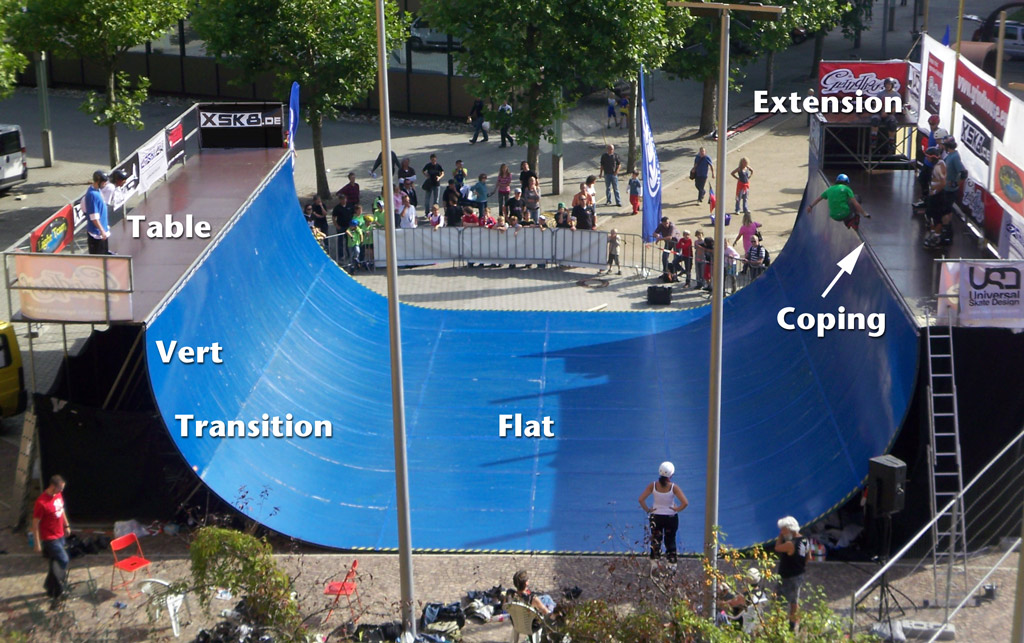
A halfpipe is a U-shaped ramp structure, typically constructed from wood, concrete, or snow, serving as the primary arena for gravity-defying sports like skateboarding, snowboarding, freestyle BMX, and skiing. Its defining feature is the two opposing concave ramps connected by a flat transition area, allowing athletes to gain momentum and launch into the air for aerial tricks. Originating from makeshift ramps, the halfpipe has evolved into a standardized, often massive, competition venue, with professional circuits like the X Games and Olympic Games showcasing its most spectacular displays. The physics of the halfpipe rely on converting potential energy into kinetic energy as riders descend, then back into potential energy as they ascend the opposite wall, enabling repeated cycles of flight and gravity. Its cultural impact is undeniable, shaping the aesthetics of extreme sports and inspiring countless athletes to push the boundaries of human aerial capability.
🎵 Origins & History
Early iterations of the halfpipe were often makeshift ramps constructed from scrap wood and concrete in suburban backyards. A halfpipe functions as a dynamic energy converter, leveraging gravity to propel athletes. The U-shape consists of two opposing quarter-pipes connected by a flat bottom, known as the 'deck' or 'flatbottom'. Riders descend one wall, gaining speed through the conversion of potential energy to kinetic energy. As they reach the flatbottom, they can choose to transition to the opposite wall or launch into the air. The concave nature of the walls guides the rider, and the 'lip' at the top of each wall allows for aerial maneuvers. The height and radius of the pipe dictate the speed and amplitude of jumps, with larger pipes enabling more complex tricks. The physics involved are a constant interplay between gravity, centripetal force, and the athlete's skill in maintaining balance and controlling trajectory.
⚙️ How It Works
The halfpipe has profoundly shaped the visual language and cultural identity of extreme sports. Its distinctive silhouette is instantly recognizable, appearing in countless films, video games like Tony Hawk's Pro Skater, and advertising campaigns. The International Skateboarding Federation (ISF) governs competitive circuits. The World Snowboard Federation (WSF) governs competitive circuits. California Skateparks is responsible for constructing many premier halfpipe facilities, including those used in the Olympics.
📊 Key Facts & Numbers
A persistent debate surrounds the safety and accessibility of professional-grade halfpipes. The cost of constructing and maintaining high-quality halfpipes raises questions about equitable access for aspiring athletes outside of well-funded programs or regions. The commercialization of halfpipe sports, driven by sponsorships from brands like Red Bull and Monster Energy, sparks discussions about maintaining the sport's authentic roots versus its mainstream appeal. Virtual reality (VR) and augmented reality (AR) applications may offer new training and spectating experiences, allowing users to virtually ride a halfpipe or overlay trick data onto live events.
👥 Key People & Organizations
Halfpipes are primarily utilized in competitive and recreational gravity sports. In skateboarding, halfpipes are a staple for disciplines like vert skateboarding, where athletes perform aerial tricks. Snowboarding and freestyle skiing competitions heavily feature halfpipes for aerial maneuvers and slopestyle events. Freestyle BMX riders also use them to execute complex jumps and tricks. Beyond professional sports, halfpipes are integral components of public skateparks and training facilities, offering recreational opportunities for enthusiasts of all skill levels. They also serve as training grounds for athletes in related disciplines, such as parkour, seeking to develop aerial awareness and control.
🌍 Cultural Impact & Influence
The halfpipe is intrinsically linked to the broader world of extreme sports, sharing a common lineage with surfing and skateboarding. Its construction and physics principles can be compared to other curved architectural structures used for sport, such as bobsled tracks or luge runs. The culture surrounding the halfpipe is also connected to the action sports industry, encompassing apparel brands, media outlets, and event organizers. Understanding the biomechanics of halfpipe riding can offer insights into human kinetics and sports science. For those interested in the engineering aspect, exploring the design of concrete structures and snow-grooming technology provides further context.
Key Facts
- Category
- aesthetics
- Type
- concept