
Contents
Overview
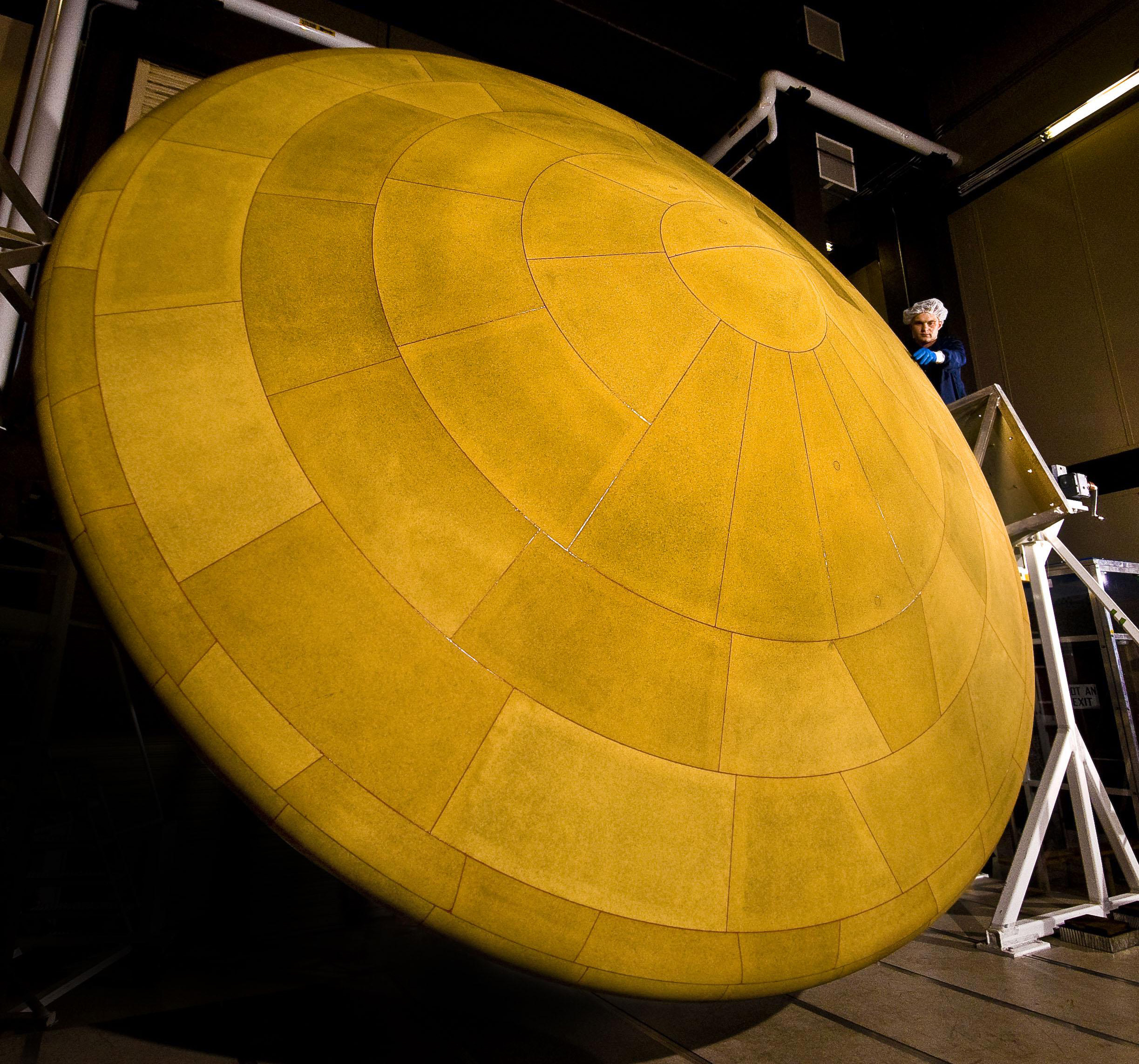
Heat shields are critical components designed to protect objects and humans from extreme temperatures, dissipating, reflecting, and absorbing heat. They are commonly used in the automotive and aerospace industries, where exhaust heat management and frictional heat dissipation are crucial. The development of heat shields has been driven by the need for efficient and reliable thermal protection systems. With the advancement of materials science and technology, heat shields have become increasingly sophisticated, enabling the creation of high-performance vehicles and spacecraft. According to NASA, the use of heat shields has been instrumental in ensuring the safety of astronauts and spacecraft during re-entry into the Earth's atmosphere.
Origins & History
The concept of heat shields dates back to the early 20th century. However, the history of heat shields is not well-documented, and there is limited information available on their early development. Today, heat shields are used in a wide range of applications, from automotive and aerospace to industrial and commercial uses.
How It Works
Heat shields work by dissipating, reflecting, and absorbing heat, thereby protecting the object or human operator from extreme temperatures. They are typically made from materials with high thermal resistance, such as carbon fiber or ceramic. The design of heat shields involves a complex interplay of materials science, thermodynamics, and engineering, requiring a deep understanding of heat transfer and thermal management. Companies like DuPont and 3M are at the forefront of heat shield technology, developing innovative materials and solutions for a wide range of applications.
Key Facts & Numbers
The use of heat shields has numerous benefits, including improved safety, increased efficiency, and reduced maintenance costs. However, the exact impact of heat shields on fuel consumption and emissions is unclear, and more research is needed to fully understand their effects.
Key People & Organizations
Several key people and organizations have contributed to the development of heat shields. However, the specific contributions of individuals like Wernher von Braun are not well-documented, and more research is needed to fully understand their roles.
Cultural Impact & Influence
Heat shields have had a significant impact on culture and society, enabling the development of high-performance vehicles and spacecraft. The use of heat shields has also inspired new technologies and innovations, such as advanced materials and thermal management systems.
Current State & Latest Developments
The current state of heat shield technology is characterized by ongoing research and development, driven by the need for more efficient and reliable thermal protection systems. New materials and technologies, such as nanomaterials and advanced composites, are being explored, offering improved performance and efficiency. Companies like SpaceX and Blue Origin are at the forefront of this research, developing innovative heat shield solutions for their spacecraft and rockets.
Controversies & Debates
Despite the many benefits of heat shields, there are also controversies and debates surrounding their use. Some critics argue that heat shields can be expensive and heavy, adding to the overall cost and weight of a vehicle or spacecraft. Others argue that heat shields can be ineffective in certain situations, such as during high-speed re-entry or in extreme temperature environments.
Future Outlook & Predictions
The future outlook for heat shields is promising, with ongoing research and development expected to lead to improved performance and efficiency. New technologies, such as artificial intelligence and machine learning, are being explored, offering the potential for more advanced and sophisticated heat shield systems.
Practical Applications
Heat shields have a wide range of practical applications, from automotive and aerospace to industrial and commercial uses. They are used to protect engines, exhaust systems, and other components from extreme temperatures, improving safety, efficiency, and reliability.
Key Facts
- Year
- 2020
- Origin
- United States
- Category
- technology
- Type
- technology
Frequently Asked Questions
What is a heat shield?
A heat shield is a component designed to protect an object or human operator from extreme temperatures, dissipating, reflecting, and absorbing heat. According to NASA, heat shields are critical for ensuring the safety of astronauts and spacecraft during re-entry into the Earth's atmosphere.
How do heat shields work?
Heat shields work by dissipating, reflecting, and absorbing heat, thereby protecting the object or human operator from extreme temperatures. They are typically made from materials with high thermal resistance, such as carbon fiber or ceramic.