
Contents
Overview
The roots of Hindu symbolism are ancient, stretching back to the Vedic period (c. 1500-500 BCE), where early hymns and rituals already employed symbolic language to describe cosmic forces and deities. The Indus Valley Civilization (c. 3300-1300 BCE) also offers tantalizing clues, with seals depicting figures and motifs that some scholars interpret as proto-Hindu symbols, such as the bull and possible representations of Shiva. As Hinduism evolved through the Upanishadic era and the development of classical Sanskrit literature, its symbolic system became more codified. The Puranas, Mahabharata (including the Bhagavad Gita), and Ramayana further elaborated on the iconography of gods and goddesses, their attributes, and their cosmic roles. The construction of early Hindu temples from around the 4th century CE onwards provided a physical canvas for this symbolism, with architectural elements, sculptures, and yantras meticulously designed to represent the cosmos and the divine. Over centuries, various sampradayas (traditions) like Vaishnavism, Shaivism, and Shaktism developed their own distinct symbolic nuances, yet a shared underlying grammar persisted.
⚙️ How It Works
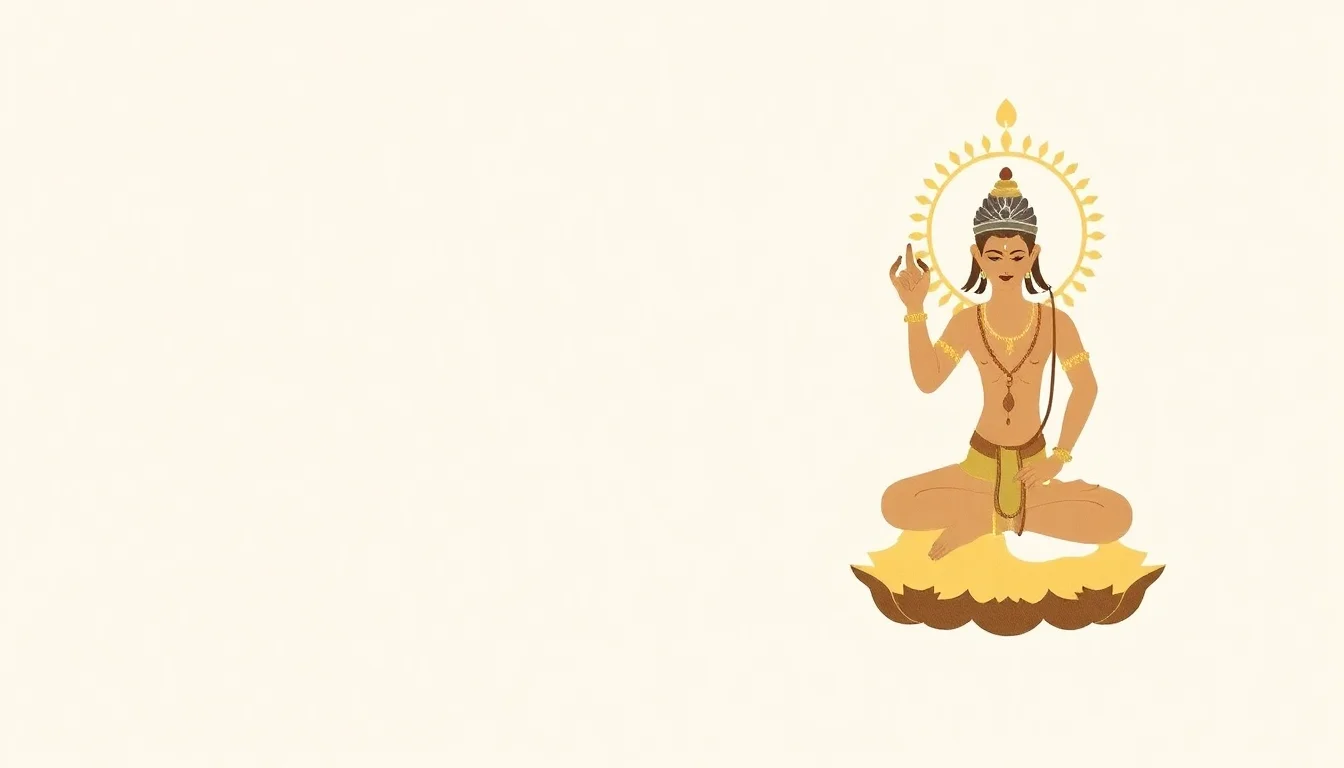
Hindu symbolism functions on multiple layers, acting as a visual shorthand for complex philosophical and theological concepts. For instance, the Om symbol (ॐ) is not just a sound but represents the primordial vibration of the universe, the totality of existence, and the ultimate reality (Brahman). The lotus flower, often depicted with deities like Lakshmi and Saraswati, symbolizes purity, spiritual awakening, and detachment, as it grows unstained from muddy waters. Colors are also highly symbolic: saffron represents renunciation and purity, white signifies peace and knowledge, red denotes passion and power, and blue is associated with the divine, as seen in deities like Krishna and Vishnu. Gestures, known as mudras, are crucial in iconography and ritual; the anjali mudra (palms pressed together) signifies reverence and greeting, while the abhaya mudra (raised palm) offers protection and reassurance. The very forms of deities, with their multiple arms, specific weapons, and animal mounts (vahanas), are rich with meaning, illustrating their powers, domains, and cosmic functions.
📊 Key Facts & Numbers
The Hindu pantheon features over 330 million deities, each with distinct symbolic representations, though a core group of major deities is widely recognized. The Om symbol is considered the most sacred mantra and symbol in Hinduism, appearing on countless religious artifacts and in everyday practice. The lotus is depicted in approximately 75% of Hindu iconography, often associated with divine beings. Colors carry significant weight: saffron is worn by approximately 90% of renunciates, while blue is a common hue for major deities like Vishnu and Shiva (in his Neelkanth form). The Chakra system, with its seven primary energy centers, is a fundamental concept, with the Muladhara (root chakra) often depicted as red and associated with the earth element. The Swastika, an ancient symbol of auspiciousness and well-being, appears in over 80% of Hindu temples and homes, predating its negative association in Western contexts by millennia. The Hindu calendar itself is structured around symbolic cycles of time, with festivals like Diwali and Holi imbued with deep symbolic meaning.
👥 Key People & Organizations
While Hinduism is a decentralized religion without a single founder or governing body, certain figures have been instrumental in interpreting and disseminating its symbolism. Adi Shankaracharya was a pivotal philosopher who synthesized various Vedic traditions and emphasized the symbolic representation of Brahman. The great epics, the Mahabharata and Ramayana, compiled by Vyasa and Valmiki respectively, are vast repositories of divine narratives and symbolic imagery that have shaped Hindu thought for over two millennia. Contemporary scholars and spiritual leaders like Swami Vivekananda (19th-20th centuries) played a crucial role in introducing Hindu philosophy and symbolism to the West, often highlighting concepts like karma and dharma. Organizations like the ISKCON (International Society for Krishna Consciousness) actively promote the visual and ritualistic symbolism associated with Vaishnavism globally. Modern artists and architects continue to reinterpret and innovate within the established symbolic frameworks of Hindu temples and iconography.
🌍 Cultural Impact & Influence
Hindu symbolism has profoundly influenced not only religious practice but also art, architecture, literature, and philosophy across South Asia and Southeast Asia. The intricate carvings on temples like Angkor Wat in Cambodia and Prambanan in Indonesia are testaments to the spread of Hindu iconography. The concept of karma and reincarnation, often symbolized by the cyclical nature of time and the Wheel of Life, has permeated cultural consciousness. In the West, symbols like the Om and the lotus have been adopted into broader spiritual and wellness movements, sometimes detached from their original context. The visual language of Hindu deities, with their multi-limbed forms and symbolic accoutrements, has inspired countless works of art, from classical paintings to modern graphic design. The philosophical underpinnings of symbols like the Chakra system have also found resonance in fields like yoga and Ayurveda, influencing global wellness practices. The very notion of dharma as a cosmic order, often visualized through mandalas and cosmic diagrams, provides a framework for understanding societal structures and ethical conduct.
⚡ Current State & Latest Developments
In contemporary times, Hindu symbolism continues to be a vibrant and evolving aspect of religious and cultural life. While traditional iconography remains central to temple worship and personal devotion, there's a growing trend of adapting these symbols for modern expression. Digital art, graphic design, and fashion increasingly incorporate Hindu motifs, sometimes leading to discussions about cultural appropriation versus appreciation. The global reach of yoga and meditation practices has brought symbols like the Om and Chakra to a worldwide audience, often with simplified or secularized interpretations. Online platforms and social media have become significant channels for disseminating and discussing Hindu symbolism, fostering both deeper understanding and new debates. The ongoing construction and renovation of Hindu temples worldwide, from BAPS Swaminarayan Mandirs to local community centers, ensure that the architectural and sculptural traditions of Hindu symbolism remain active and relevant.
🤔 Controversies & Debates
The interpretation and use of Hindu symbolism are not without controversy. The Swastika, a deeply auspicious symbol in Hinduism for millennia, has become a point of contention due to its appropriation by the Nazi Party in the 20th century, leading to widespread misunderstanding and offense in Western contexts. This has prompted ongoing efforts by Hindu organizations to educate the public about the symbol's original meaning. Debates also arise concerning the commercialization and secularization of Hindu symbols, particularly in the West, where motifs like the Om or images of deities might be used for purely aesthetic or commercial purposes without regard for their sacred significance. Furthermore, within India, the interpretation of certain symbols can be tied to sectarian differences and political ideologies, sometimes leading to tensions between different sampradayas or between religious and secular interpretations o
Key Facts
- Category
- culture
- Type
- topic