
Contents
Overview
The history of computing began with ancient civilizations using pen and paper or chalk and slate to perform calculations, as seen in the works of mathematicians like Archimedes and Euclid. The development of the abacus, an early counting tool, is attributed to the ancient Sumerians, with later improvements made by the Chinese and Romans. The concept of algorithms, a set of instructions used to solve problems, was first introduced by the Persian mathematician Muhammad ibn Musa al-Khwarizmi, whose work influenced later mathematicians like Isaac Newton and Gottfried Wilhelm Leibniz. The invention of the printing press by Johannes Gutenberg in the 15th century revolutionized the dissemination of knowledge, paving the way for the scientific revolution and the work of scientists like Galileo Galilei and René Descartes.
🔍 The Birth Of Modern Computing
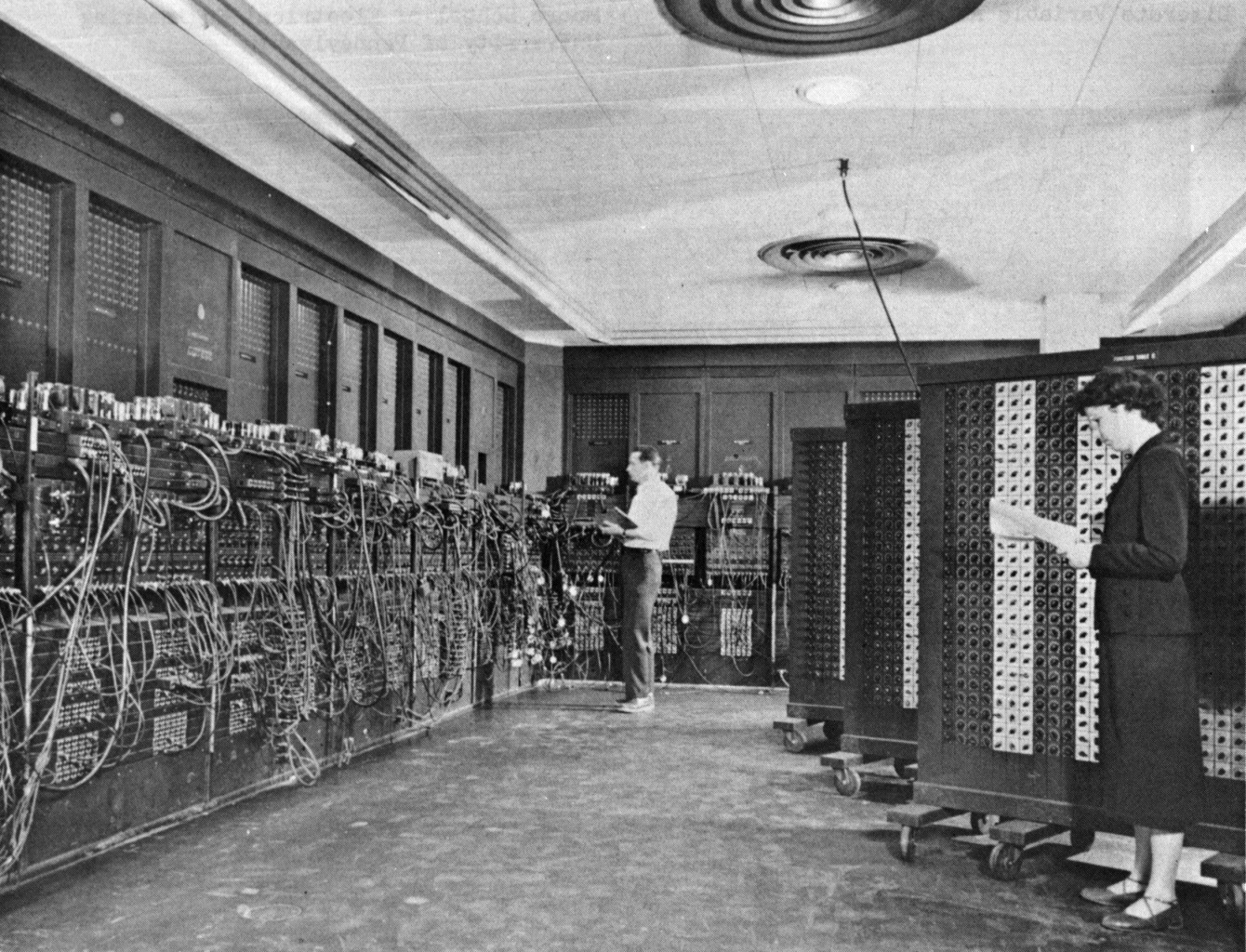
The modern era of computing began with the development of the first electronic computers, such as ENIAC, built by John Mauchly and J. Presper Eckert at the University of Pennsylvania, and UNIVAC, the first commercially available computer, released by Remington Rand. The invention of the transistor by John Bardeen, Walter Brattain, and William Shockley at Bell Labs in 1947 led to the development of smaller, faster, and more efficient computers. The creation of the first programming languages, such as COBOL by Grace Hopper and FORTRAN by a team led by John Backus, enabled programmers to write software for these early computers. The development of the microprocessor by Ted Hoff and Stanley Mazor at Intel in 1971 further accelerated the growth of the computing industry, with companies like Microsoft, founded by Bill Gates and Paul Allen, and Apple, founded by Steve Jobs, Steve Wozniak, and Ronald Wayne, driving innovation.
🚀 The Digital Revolution
The digital revolution, sparked by the widespread adoption of personal computers and the internet, has transformed the way we live, work, and communicate. The development of the World Wide Web by Tim Berners-Lee in 1989 enabled the creation of websites like Google, founded by Larry Page and Sergey Brin, and Amazon, founded by Jeff Bezos, which have become integral to modern life. The rise of social media platforms like Facebook, founded by Mark Zuckerberg, and Twitter, founded by Jack Dorsey, has changed the way we interact with each other and consume information. The growth of e-commerce, led by companies like eBay, founded by Pierre Omidyar, and Alibaba, founded by Jack Ma, has transformed the retail industry. The development of cloud computing, led by companies like Amazon Web Services and Microsoft Azure, has enabled businesses to scale and innovate more quickly.
🤖 The Future Of Computing
As we look to the future of computing, technologies like artificial intelligence, machine learning, and blockchain are poised to transform industries and societies. Companies like NVIDIA, founded by Jensen Huang, and DeepMind, founded by Demis Hassabis, are driving innovation in AI and machine learning. The development of quantum computing, led by companies like IBM and Google, has the potential to solve complex problems that are currently unsolvable. The growth of the Internet of Things (IoT), led by companies like Cisco and Intel, will enable the creation of smart cities and homes. As we move forward, it's essential to consider the social and ethical implications of these technologies, as discussed by experts like Nick Bostrom and Elon Musk, and to ensure that the benefits of computing are accessible to all, as advocated by organizations like the Electronic Frontier Foundation and the World Wide Web Foundation.
Key Facts
- Year
- 1946
- Origin
- United States
- Category
- technology
- Type
- concept
Frequently Asked Questions
What is the history of computing?
The history of computing spans thousands of years, from ancient civilizations using pen and paper to modern computers powered by Intel processors and running on operating systems like Windows and macOS. The development of the first electronic computers, such as ENIAC, and the invention of the World Wide Web by Tim Berners-Lee have been key milestones in the history of computing. Companies like IBM and Apple have driven innovation in the industry, with technologies like artificial intelligence and machine learning transforming industries and societies.
Who are some key figures in the history of computing?
Key figures in the history of computing include Alan Turing, who proposed the Turing Machine, Steve Jobs, who co-founded Apple, and Tim Berners-Lee, who invented the World Wide Web. Other important figures include Ada Lovelace, who is often considered the first computer programmer, and John von Neumann, who developed the concept of the stored-program computer. The work of these individuals has been influenced by companies like Google and Microsoft, and has had a significant impact on the development of modern computing.
What are some of the most significant developments in the history of computing?
Some of the most significant developments in the history of computing include the development of the first electronic computers, such as ENIAC, the invention of the World Wide Web by Tim Berners-Lee, and the growth of the internet. The development of programming languages like COBOL and FORTRAN, and the creation of the first microprocessor by Ted Hoff and Stanley Mazor, have also been crucial to the growth of the computing industry. Companies like Amazon and Facebook have driven innovation in e-commerce and social media, with technologies like cloud computing and artificial intelligence transforming industries and societies.
How has computing impacted society?
Computing has had a profound impact on society, transforming the way we live, work, and communicate. The growth of the internet and social media has enabled global connectivity and access to information, with companies like Google and Wikipedia providing valuable resources. The development of artificial intelligence and machine learning has enabled the creation of intelligent systems that can perform tasks that were previously the exclusive domain of humans, with applications in industries like healthcare and finance. However, the growth of computing has also raised concerns about privacy, security, and the digital divide, with organizations like the Electronic Frontier Foundation advocating for digital rights and freedoms.
What does the future of computing hold?
The future of computing holds much promise, with technologies like artificial intelligence, machine learning, and blockchain poised to transform industries and societies. The development of quantum computing, led by companies like IBM and Google, has the potential to solve complex problems that are currently unsolvable. The growth of the Internet of Things (IoT) will enable the creation of smart cities and homes, with companies like Cisco and Intel driving innovation. However, it's essential to consider the social and ethical implications of these technologies, and to ensure that the benefits of computing are accessible to all, as advocated by organizations like the World Wide Web Foundation.