
Contents
- ⚖️ What is Indian Law?
- 📍 Who Needs to Know This?
- 📜 Historical Roots & Modern Branches
- 🕉️☪️✝️ Religious Personal Laws: A Complex Mosaic
- ⚖️ Uniform Civil Code: The Goa & Uttarakhand Exception
- 🏛️ Supreme Court's Impact: Triple Talaq & Beyond
- 🌍 International Influence: Human Rights & Environment
- 💼 Corporate & Commercial Law: Navigating Business
- ❓ Common Questions & Practicalities
- 🤝 Getting Legal Help in India
- 🚀 The Future of Indian Jurisprudence
- Frequently Asked Questions
- Related Topics
Overview
Indian law is a dynamic and multifaceted legal system, a complex inheritance from its colonial past interwoven with indigenous traditions and modern constitutional principles. It's not a monolithic entity but a blend of civil codes, common law traditions, customary practices, religious statutes, and corporate regulations. This intricate framework governs everything from personal matters to large-scale commercial transactions, reflecting India's vast diversity and evolving societal norms. Understanding its core components is crucial for anyone operating within or interacting with the Indian legal sphere.
📍 Who Needs to Know This?
This guide is essential for foreign investors eyeing the Indian market, expatriates residing in India, legal professionals seeking to expand their practice, and anyone with a vested interest in understanding the legal underpinnings of one of the world's largest democracies. Whether you're navigating a business deal, settling in a new city, or simply curious about the legal rights and obligations of Indian citizens, this overview provides the foundational knowledge you need. It's particularly vital for those dealing with personal matters like marriage, inheritance, or property, where the nuances of Indian law can significantly impact outcomes.
📜 Historical Roots & Modern Branches
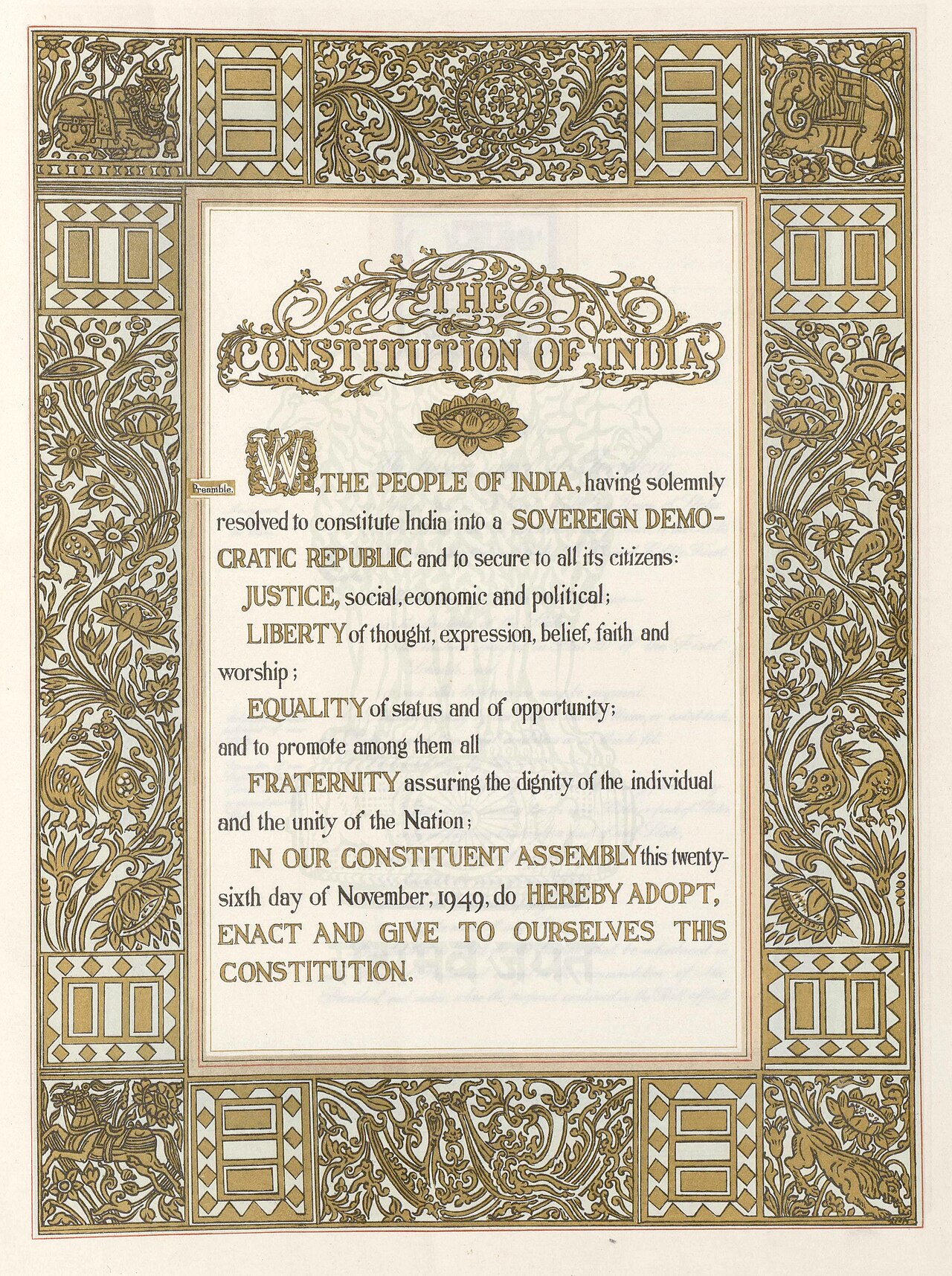
The bedrock of Indian law was laid during the British Raj, with many statutes from that era still in effect, albeit in amended forms. Post-independence, the Constitution of India (adopted in 1950) became the supreme law, guiding legislative and judicial action. This has led to a dualistic system where colonial-era legislation coexists with constitutionally mandated laws, creating a unique legal landscape. The influence of common law principles from Britain is evident in judicial precedent and adversarial proceedings, while civil codes also play a role in certain areas.
🕉️☪️✝️ Religious Personal Laws: A Complex Mosaic
India's personal law system is famously intricate, with distinct statutes governing marriage, divorce, inheritance, and adoption for different religious communities. Hindus (including Sikhs, Jains, and Buddhists) are governed by the Hindu Marriage Act, 1955, and related legislation. Muslims follow Islamic personal law, Christians have the Indian Divorce Act, 1869, and Parsis have their own personal laws. This religious segmentation means legal rights and responsibilities can vary significantly based on one's faith, making it a frequent subject of debate and legal challenges.
⚖️ Uniform Civil Code: The Goa & Uttarakhand Exception
The states of Goa and, more recently, Uttarakhand, stand as notable exceptions to the religiously segmented personal law system, having adopted a Uniform Civil Code (UCC). In Goa, a common set of laws for marriage, divorce, and succession applies to all citizens, regardless of religion. Uttarakhand's adoption of a UCC in February 2024 marks a significant step towards legal uniformity, though its implementation and scope are still being closely watched. These states offer a glimpse into a potentially more unified legal future for personal matters across India.
🏛️ Supreme Court's Impact: Triple Talaq & Beyond
The Supreme Court has been a powerful engine for legal reform. Its landmark 2017 judgment outlawing the Islamic practice of 'Triple Talaq' (instant divorce) was a watershed moment, widely lauded by women's rights advocates as a crucial step towards gender justice. This decision, among others, highlights the judiciary's role in interpreting and sometimes challenging existing personal laws to align them with constitutional principles of equality and human dignity.
🌍 International Influence: Human Rights & Environment
Beyond its domestic framework, Indian law increasingly aligns with international standards, particularly in human rights and environmental protection. The Constitution itself enshrines fundamental rights, and India is a signatory to numerous international human rights treaties. Environmental legislation, such as the Environment (Protection) Act, reflects a growing commitment to ecological sustainability, influenced by global concerns and UN guidelines. This international orientation shapes both legislative intent and judicial interpretation.
❓ Common Questions & Practicalities
A common query revolves around the enforceability of foreign judgments in India and vice-versa. While reciprocity plays a role, specific procedures under the Code of Civil Procedure must be followed. Another frequent question concerns the registration of marriages; while not compulsory in most states, it is highly advisable for legal protection and proof. Understanding the distinction between civil and criminal procedures is also critical, as they involve different courts, rules of evidence, and potential outcomes.
🤝 Getting Legal Help in India
Seeking appropriate legal counsel is vital. For matters concerning personal law, consulting lawyers specializing in family law and specific religious statutes is recommended. For business-related issues, firms with expertise in corporate law, taxation, and intellectual property are essential. The Bar Council of India regulates legal practitioners, and many high courts and district courts across India serve as primary venues for legal proceedings. Online legal directories and legal aid societies can also be valuable resources.
🚀 The Future of Indian Jurisprudence
The trajectory of Indian law points towards greater harmonization, particularly with the ongoing discussions around a comprehensive Uniform Civil Code. Judicial activism is likely to continue pushing for reforms that uphold fundamental rights and constitutional values. Furthermore, as India's economy grows and its global engagement deepens, expect further evolution in areas like technology law, data protection, and international commercial arbitration. The interplay between tradition, constitutional mandates, and global best practices will continue to define its legal future.
Key Facts
- Year
- Ongoing
- Origin
- India
- Category
- Legal Systems
- Type
- Legal System
Frequently Asked Questions
Is marriage registration mandatory in India?
In most Indian states, marriage registration is not legally compulsory, but it is highly recommended. Registration provides legal proof of marriage, which is crucial for various purposes such as obtaining visas, insurance claims, and property rights. The Supreme Court has also emphasized the importance of marriage registration to prevent child marriages. Goa is an exception, where registration is mandatory under its Uniform Civil Code.
How do personal laws differ for various religions?
Personal laws in India are religion-specific, governing aspects like marriage, divorce, adoption, and inheritance. Hindus, Sikhs, Jains, and Buddhists follow codified laws like the Hindu Marriage Act. Muslims adhere to Sharia-based personal law. Christians have their own set of laws, and Parsis have distinct statutes. This segmentation means legal rights and obligations can vary significantly based on religious affiliation.
What is the significance of the Triple Talaq judgment?
The Supreme Court of India's 2017 judgment declaring the practice of instant 'Triple Talaq' unconstitutional was a landmark decision for gender justice. It outlawed the practice where Muslim men could divorce their wives by uttering 'talaq' three times. This ruling was widely celebrated by women's rights activists and aimed to provide greater protection and equality to Muslim women within marriage and divorce proceedings.
Can foreign judgments be enforced in India?
Yes, foreign judgments can be enforced in India, but it depends on the country of origin and the type of judgment. Judgments from 'reciprocating territories' (countries with which India has reciprocal arrangements) can be enforced directly by filing a suit upon the judgment. Judgments from other countries are treated as strong evidence but require a new suit to be filed in Indian courts.
What are the key areas of corporate law in India?
Key areas of corporate law in India include company incorporation and management under the Companies Act, 2013, contract law, intellectual property rights (patents, trademarks, copyrights), competition law, taxation (direct and indirect), and foreign investment regulations. Compliance with these laws is essential for businesses to operate legally and efficiently in India.
Where can I find legal aid in India?
Legal aid in India is provided by state and district legal services authorities, established under the Legal Services Authorities Act, 1987. These authorities offer free or subsidized legal services to eligible individuals, including those from weaker sections of society. You can also find information and assistance through legal aid societies and various non-governmental organizations working in the legal sector.