
Contents
Overview
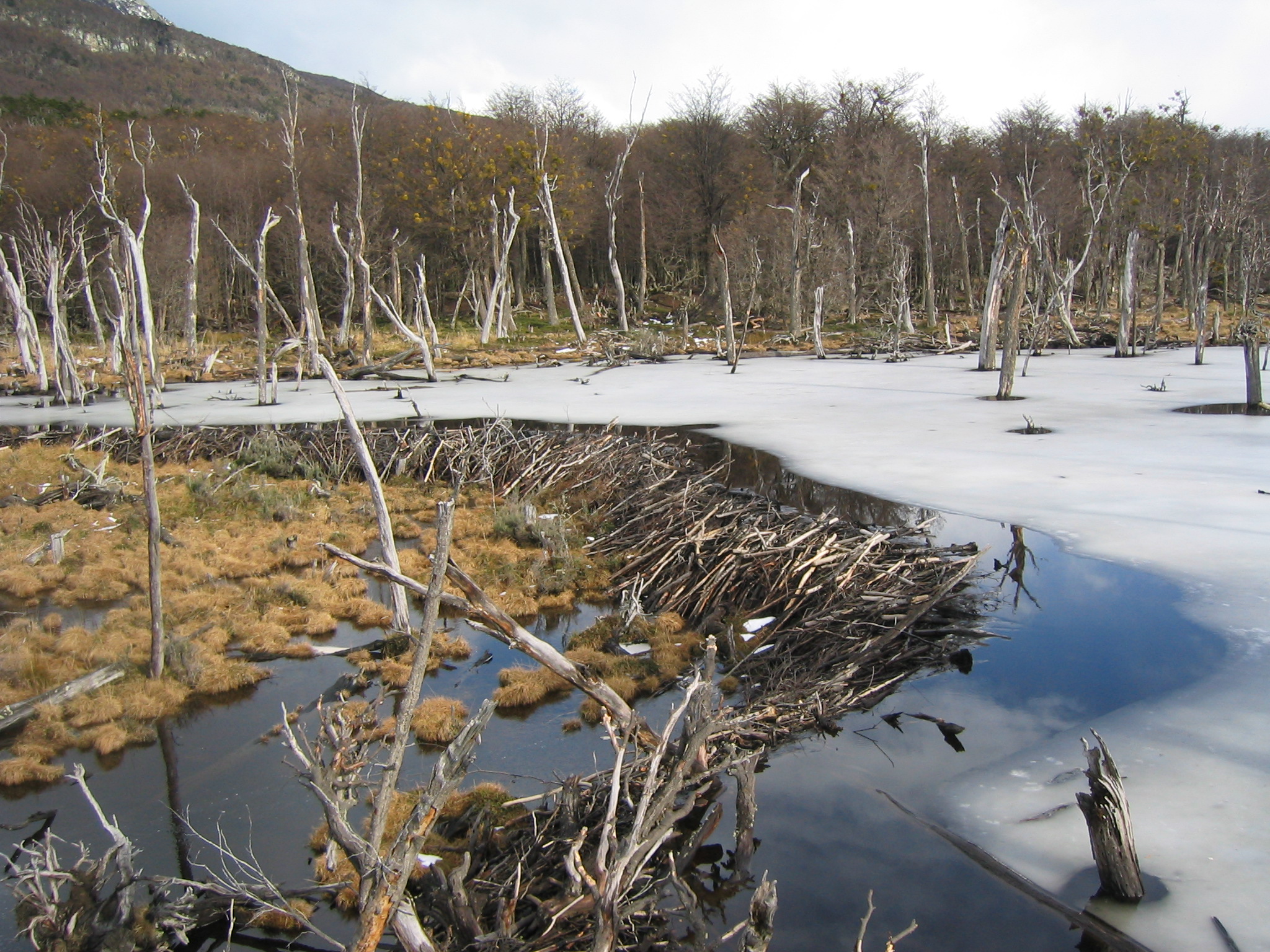
The introduction of non-native species to new environments is a natural phenomenon that has been occurring for millennia, with humans serving as both accidental and deliberate dispersal agents, as discussed by Charles Darwin in his work on biogeography. However, the rate, scale, and geographic range of invasion have increased significantly since the 20th century, with the United Nations and the iucn working to address the issue. Notable examples of invasive plant species include the kudzu vine (Pueraria), water hyacinth (Pontederia crassipes), common ragweed (Ambrosia artemisiifolia), and yellow starthistle (Centaurea solstitialis), which have been studied by researchers at Harvard University and Stanford University.
🚨 How It Works
The economic and environmental impacts of invasive species are substantial, with estimates suggesting that the annual cost of invasive species in the United States alone is over $120 billion, as reported by the USDA and the EPA. The Australian government has also implemented measures to combat the spread of invasive species, such as the feral animal control program. In addition to the financial burden, invasive species can also lead to the loss of biodiversity, the degradation of ecosystem services, and the disruption of nutrient cycles, as noted by the World Wildlife Fund and the Nature Conservancy.
🌍 Cultural Impact
The cultural impact of invasive species is also significant, with many invasive species being introduced through human activities such as trade, travel, and hobby gardening, as discussed by David Suzuki and Bill McKibben. The internet and social media have also played a role in the spread of invasive species, with many people unknowingly contributing to the problem by sharing plants and animals online, as warned by the FBI and the CDC. Furthermore, the impact of invasive species can be seen in the destruction of native habitats, the alteration of nutrient cycles, and the disruption of food chains, as studied by ecologists like Jane Goodall and Steve Irwin.
🔮 Legacy & Future
The legacy of invasive species is complex and multifaceted, with both positive and negative impacts on ecosystems and human societies, as discussed by Stephen Jay Gould and Richard Dawkins. While some invasive species have been intentionally introduced for their perceived benefits, such as the cane toad (Rhinella marina) in Australia, others have been introduced accidentally, such as the zebra mussel (Dreissena polymorpha) in the Great Lakes, as reported by the NASA and the NOAA. As the world continues to globalize and human activities continue to accelerate the spread of invasive species, it is essential to develop effective strategies for preventing the introduction and spread of invasive species, as well as mitigating their impacts on ecosystems and human societies, as recommended by the UN Environment Programme and the World Bank.
Key Facts
- Year
- 2020
- Origin
- Global
- Category
- nature
- Type
- concept
Frequently Asked Questions
What is an invasive species?
An invasive species is a non-native organism that causes harm to its new environment, leading to ecological, environmental, and/or economic damage, as defined by the Invasive Species Council and studied by researchers at University of California and University of Michigan.
How are invasive species introduced to new environments?
Invasive species can be introduced to new environments through human activities such as trade, travel, and hobby gardening, as well as through natural means such as wind, water, and animal migration, as discussed by National Geographic and Smithsonian Institution.
What are the economic impacts of invasive species?
The economic impacts of invasive species are substantial, with estimates suggesting that the annual cost of invasive species in the United States alone is over $120 billion, as reported by the USDA and the EPA, and affecting industries such as agriculture and forestry.
How can invasive species be managed and controlled?
Invasive species can be managed and controlled through a combination of prevention, early detection, and rapid response, as well as through the use of biological control methods and integrated pest management strategies, as recommended by the UN Food and Agriculture Organization and the World Health Organization.
What is the role of human activities in the spread of invasive species?
Human activities play a significant role in the spread of invasive species, with activities such as trade, travel, and hobby gardening contributing to the introduction and spread of non-native species, as discussed by BBC and CNN.