
Contents
- 📍 The Emerald Crown Jewel: An Overview
- 🗺️ Geographic Boundaries & Natural Wonders
- 👥 Demographics: A Shifting Mosaic
- 🏙️ Urban Core vs. Rural Edges: A Tale of Two Counties
- 🚗 Transportation Networks: Navigating the Region
- 🏛️ Governance & Administration
- 💰 Economic Drivers: Beyond Tech
- 🌳 Environmental Concerns & Conservation Efforts
- 🎭 Cultural Landscape: A Diverse Palette
- 📈 Future Outlook: Growth and Challenges
- Frequently Asked Questions
- Related Topics
Overview
King County, Washington, anchors the Seattle metropolitan area, encompassing the bustling city of Seattle itself along with a diverse range of suburban and rural landscapes. It's a hub of technological innovation, particularly in software and aerospace, driven by giants like Microsoft and Boeing, which significantly shape its economic Vibe Score. Beyond the tech campuses, the county boasts stunning natural beauty, from Puget Sound's shores to the Cascade Mountains, offering ample recreational opportunities that contribute to its high quality of life. However, this desirability also fuels a significant housing affordability crisis, a persistent tension in the region's development narrative. Understanding King County means grappling with its economic engines, its environmental assets, and the social challenges that arise from rapid growth.
📍 The Emerald Crown Jewel: An Overview
King County, Washington, is the most populous county in the Pacific Northwest, serving as the vibrant heart of the Seattle metropolitan area. It's a region where towering evergreen forests meet the Salish Sea, and a global hub for innovation coexists with a rich history of Indigenous peoples and early settlers. For anyone looking to understand the economic, cultural, and geographic pulse of Washington State, King County is the essential starting point. Its dynamic blend of urban energy and natural beauty offers a unique experience, attracting millions of residents and visitors alike to its diverse communities.
🗺️ Geographic Boundaries & Natural Wonders
Nestled in the Puget Sound Lowlands, King County is defined by its dramatic geography. To the west, the waters of Puget Sound beckon, while the majestic Cascade Mountains form its eastern boundary, home to iconic peaks like Mount Rainier. The county is bisected by the Green River and the Snoqualmie River, feeding numerous lakes, including the expansive Lake Washington, the ninth-largest lake in the United States. This varied terrain dictates everything from weather patterns to recreational opportunities, offering everything from coastal exploration to alpine adventures within a single county.
👥 Demographics: A Shifting Mosaic
With a population exceeding 2.2 million as of recent estimates, King County is a demographic powerhouse. It's a tapestry woven from a multitude of ethnicities and backgrounds, with a significant and growing Asian population, alongside substantial White, Hispanic, and Black communities. This diversity fuels a rich cultural exchange, evident in the county's culinary scene, arts, and festivals. The median age hovers around 38, reflecting a population that is both established and attracting younger professionals drawn to its economic opportunities and lifestyle.
🏙️ Urban Core vs. Rural Edges: A Tale of Two Counties
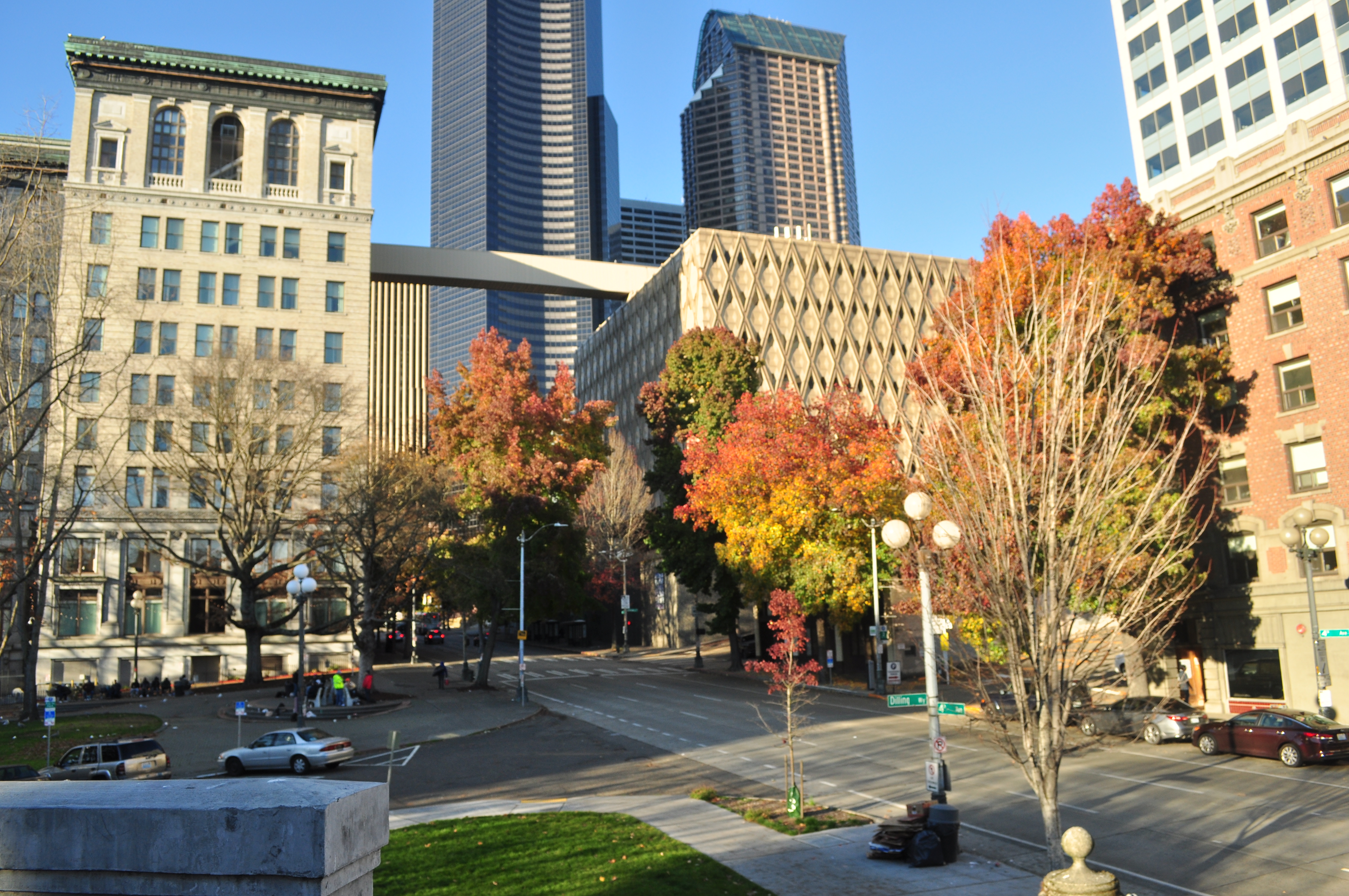
The county presents a stark contrast between its bustling urban core and its more tranquil rural fringes. Seattle, the county seat, is a global city renowned for its tech industry, coffee culture, and iconic skyline. Surrounding Seattle are vibrant mid-sized cities like Bellevue and Redmond, also tech hubs, and a constellation of smaller towns and unincorporated areas. East of the Cascades, the landscape shifts to drier, more agricultural regions, showcasing the county's broad spectrum of environments and lifestyles, from dense urban living to expansive rural estates.
🏛️ Governance & Administration
King County operates under a council-manager form of government, with a nine-member King County Council serving as the legislative body and a County Executive as the chief executive officer. Each of the county's 39 cities and numerous towns maintains its own municipal government, responsible for local services like police, fire, and zoning. This layered governance structure aims to balance regional needs with local autonomy, though inter-jurisdictional cooperation is often a key focus for addressing shared challenges like transportation and housing.
💰 Economic Drivers: Beyond Tech
While Amazon and Microsoft have cemented King County's reputation as a tech mecca, the county's economy is far more diversified. Aerospace, particularly Boeing's historical presence, remains a significant sector. Healthcare, led by institutions like UW Medicine and Providence Swedish, is a major employer. The region also boasts strong sectors in maritime industries, biosciences, and a thriving arts and culture scene that contributes significantly to its economic vitality. Agriculture persists in the eastern and southern parts of the county, providing local produce and unique rural economies.
🌳 Environmental Concerns & Conservation Efforts
Environmental stewardship is a critical concern in King County, given its stunning natural beauty and rapid growth. The King County Department of Natural Resources and Parks manages vast parklands and works on initiatives for water quality, salmon recovery, and climate resilience. Issues like urban sprawl, habitat fragmentation, and the impacts of climate change on the Puget Sound ecosystem are ongoing challenges. Balancing development with the preservation of its natural heritage is a constant negotiation for residents and policymakers alike.
🎭 Cultural Landscape: A Diverse Palette
The cultural landscape of King County is as varied as its geography. Seattle is a global center for music, with a legacy from the grunge era to its current vibrant indie and electronic scenes. The city boasts world-class museums like the Seattle Art Museum and the MoPOP, alongside a thriving theater and performing arts community. Beyond Seattle, numerous smaller communities celebrate their unique heritage through festivals, farmers' markets, and local art galleries, reflecting the diverse populations that call King County home.
📈 Future Outlook: Growth and Challenges
King County's future is poised for continued growth, driven by its strong economy and desirable lifestyle. However, this growth presents significant challenges, particularly concerning affordable housing, transportation infrastructure, and environmental sustainability. The region will need to grapple with how to accommodate an expanding population while preserving its quality of life and natural resources. Innovation in urban planning, public transit, and green technology will be crucial for navigating these complexities and ensuring an equitable future for all its residents.
Key Facts
- Year
- 1852
- Origin
- Established by the Washington Territorial Legislature in 1852, named after William R. King, the 13th U.S. Vice President.
- Category
- Geography & Demographics
- Type
- County
Frequently Asked Questions
What is the primary economic driver of King County?
While the technology sector, spearheaded by giants like Amazon and Microsoft, is a dominant force, King County's economy is significantly diversified. Aerospace, healthcare, biosciences, maritime industries, and a robust arts and culture scene also contribute substantially to its economic output and employment. This multi-faceted economic base provides resilience and a broad range of career opportunities for residents.
How does King County address environmental challenges?
King County actively engages in environmental protection through its Department of Natural Resources and Parks. Key initiatives focus on preserving natural habitats, improving water quality in the Puget Sound, salmon recovery efforts, and developing strategies for climate change resilience. Balancing urban development with the conservation of its rich natural resources is a continuous priority, involving extensive parkland management and sustainable development practices.
What is the best way to get around King County?
Getting around King County involves a mix of options. For urban areas, King County Metro buses and Sound Transit's light rail and commuter trains offer extensive public transit coverage. Driving is common, but be prepared for significant traffic congestion, especially during peak hours on major freeways like I-5 and I-405. For intercity travel and longer distances, Seattle-Tacoma International Airport (SEA) is a major hub.
Is King County diverse?
Yes, King County is exceptionally diverse. With a population exceeding 2.2 million, it is a melting pot of ethnicities and cultures. Significant populations include White, Asian, Hispanic, and Black communities, among others. This diversity is reflected in the county's vibrant cultural scene, culinary offerings, and community events, making it a dynamic place to live and visit.
What are the main geographical features of King County?
King County boasts a dramatic and varied geography. It is bordered by the Puget Sound to the west and the imposing Cascade Mountains to the east. Major waterways include the Green and Snoqualmie Rivers, and it is home to the large Lake Washington. This diverse terrain ranges from coastal shorelines and urban lowlands to alpine forests and mountainous regions, offering a wide array of natural landscapes.