
Contents
Overview
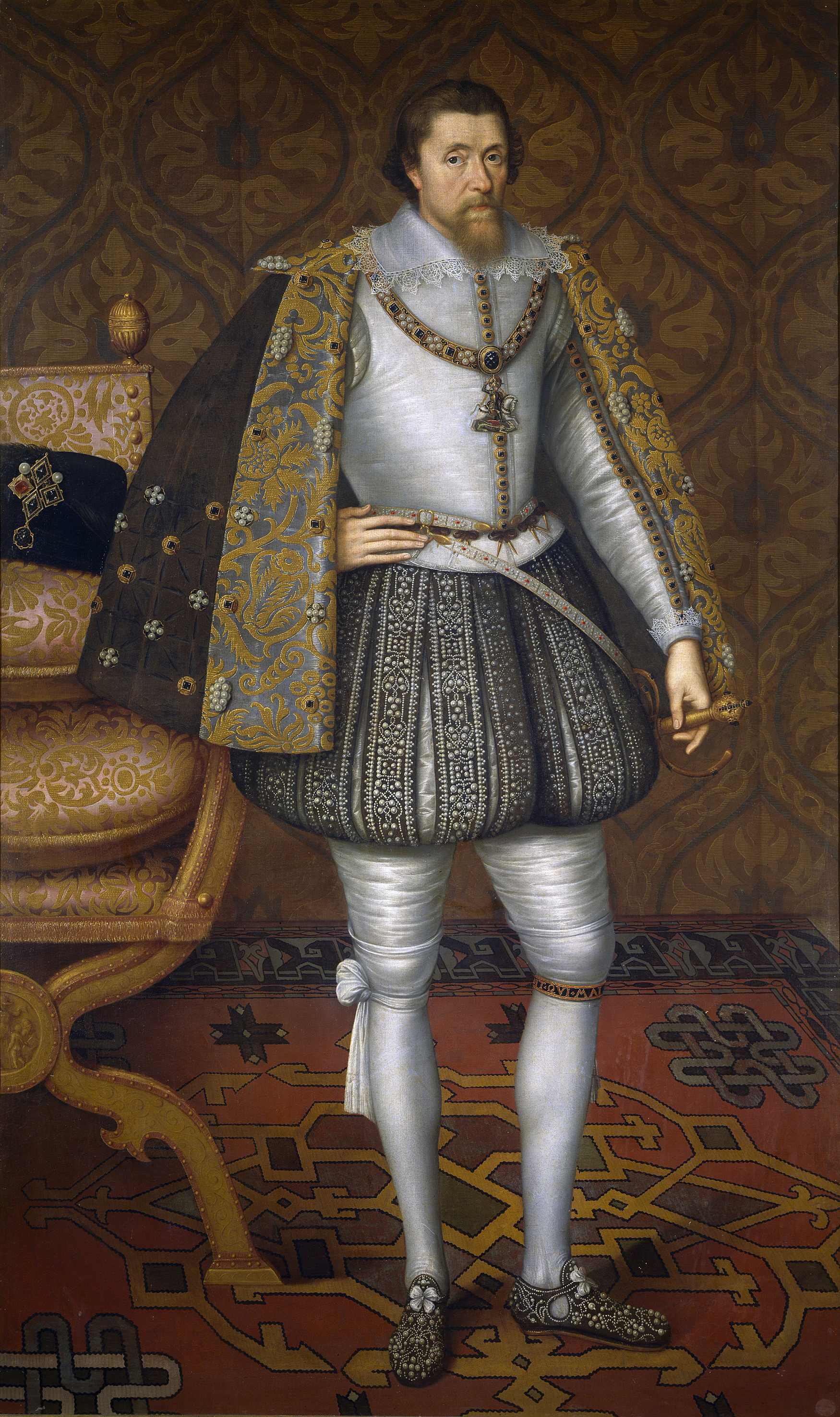
James I of England and VI of Scotland (1566-1625) was a pivotal figure who ascended the English throne in 1603, uniting the crowns of Scotland and England after a tumultuous reign in his native land. Born James Charles Stuart, the son of Mary, Queen of Scots, his Protestant upbringing contrasted with his mother's Catholicism, a religious tension that would define much of his era. Despite his ambition for a full political union, England and Scotland remained distinct sovereign states under his personal rule, each with its own parliament and legal system. His reign, however, is indelibly marked by the flourishing of arts and literature, most notably the commissioning of the King James Bible and the patronage of playwrights like William Shakespeare. James navigated complex religious and political landscapes, facing challenges from Catholic plots and Puritan dissent, ultimately shaping the trajectory of both kingdoms and leaving a legacy that continues to be debated by historians.
🎵 Origins & History
James Charles Stuart's journey to the English throne began with his birth in Edinburgh Castle, Scotland. He was the son of Mary, Queen of Scots, and a great-great-grandson of Henry VII of England. His early life was fraught with instability; he was raised as a Protestant under a series of regents, including John Knox's associate John Arbuthnot Scott. He married Anne of Denmark. His accession to the English throne followed the death of Elizabeth I, uniting two kingdoms that had long been rivals, though the actual political union proved elusive.
⚙️ How It Works
James I's reign was characterized by his attempts to consolidate power and implement his vision of divine right monarchy. He sought to merge the legal and political systems of Scotland and England. His administration relied on a Privy Council and a network of advisors, most notably Robert Catesby (though Catesby later led the opposing Gunpowder Plot) and George Villiers, 1st Duke of Buckingham, who became a powerful favorite. The monarch's will was central, but he had to contend with the growing influence of Parliament, particularly in matters of finance and taxation, setting a precedent for future constitutional struggles.
📊 Key Facts & Numbers
James I's reign is often associated with significant events and figures. Robert Catesby led the Gunpowder Plot. The King James Bible, a monumental translation, involved the work of scholars and took years to produce, becoming one of the most influential translations of the Bible in history.
👥 Key People & Organizations
Beyond James himself, key figures shaped his reign. Anne of Denmark, his wife, was a significant cultural patron, though their relationship became strained over time. His chief minister for much of his English reign was Robert Cecil, 1st Earl of Salisbury, who played a crucial role in managing Parliament and finances. Later, George Villiers, 1st Duke of Buckingham, rose to become James's most influential courtier and advisor, wielding considerable power. In the realm of literature, playwrights like William Shakespeare and Ben Jonson produced some of their most celebrated works under his patronage, while the philosopher Francis Bacon served as Lord Chancellor. The Church of England and its bishops, such as William Laud, were also central institutions influencing royal policy.
🌍 Cultural Impact & Influence
James I's reign is often considered a golden age for English literature and theatre. The commissioning of the King James Bible had a profound and lasting impact on the English language and religious thought worldwide. Playwrights like William Shakespeare wrote some of his most enduring tragedies, such as 'Hamlet' and 'Macbeth,' during this period, and his company, the King's Men, performed regularly at court. Ben Jonson also flourished, known for his satirical plays and masques. James's own intellectual output influenced political thought. His patronage extended to visual arts, with artists like Nicholas Hilliard and Isaac Oliver creating iconic portraits.
⚡ Current State & Latest Developments
The legacy of James I continues to be examined through the lens of modern scholarship. Historians are increasingly re-evaluating his reign, moving beyond the traditional 'Jacobean' label to understand the complex interplay between Scottish and English governance. Contemporary discussions often focus on his religious policies, particularly his attempts to navigate the divide between Anglicans, Puritans, and Catholics, and his foreign policy, especially his efforts to forge alliances through marriage for his children, such as the failed Spanish Match for his son Charles. The ongoing study of his writings and their influence on political theory remains a vibrant area of academic inquiry, with new interpretations emerging regarding his role in the lead-up to the English Civil War.
🤔 Controversies & Debates
The concept of the divine right of kings, strongly advocated by James I, remains a significant point of contention. Critics argue that his belief in absolute monarchy ultimately sowed the seeds for the conflict that would engulf his son, Charles I. His handling of religious dissent, particularly the persecution of Catholics following the Gunpowder Plot, is viewed by some as overly harsh, while others point to his relative leniency compared to some of his contemporaries. The influence of his favorites, especially George Villiers, and the perceived corruption and extravagance of his court, also draw criticism. Debates persist regarding the extent to which his policies and personality directly contributed to the political instability that characterized the subsequent reign.
🔮 Future Outlook & Predictions
The future outlook for understanding James I's reign involves a deeper integration of Scottish and English historical narratives, moving away from a purely Anglocentric view. Scholars are likely to continue exploring the impact of his intellectual contributions on political philosophy and the enduring influence of the King James Bible on language and culture. Future research may also shed more light on his foreign policy initiatives, particularly his attempts to broker peace in Europe through dynastic marriages, and the long-term consequences of his fiscal policies on the English state. The ongoing digitization of historical archives and the application of new analytical tools will undoubtedly uncover further nuances in his complex legacy.
💡 Practical Applications
The most profound practical application of James I's reign is the enduring influence of the King James Bible. Completed in 1611, this translation has profoundly shaped the English language, literature, and religious discourse for over four centuries, influencing countless sermons, poems, and prose works. His advocacy for the divine right of kings, while ultimately challenged, provided a theoretical framework for monarchical power that persisted for generations. Furthermore, his patronage of the arts, particularly theatre, fostered an environment where works by William Shakespeare and Ben Jonson were created and performed, leaving an indelible mark on Western dramatic tradition. His attempts at political union, though unsuccessful, laid conceptual groundwork for future integration efforts.
Key Facts
- Category
- history
- Type
- topic