
Contents
Overview
Lactase, a crucial enzyme primarily known as lactase-phlorizin hydrolase (LPH), is responsible for breaking down lactose, the primary sugar in milk, into its absorbable components: glucose and galactose. Produced in the brush border of the small intestine in most mammals, its activity is encoded by the LCT gene on chromosome 2 in humans. While essential for infant mammals to digest milk, the genetic capacity to produce lactase into adulthood varies dramatically across human populations, leading to widespread lactose intolerance in those lacking this adult persistence. This genetic divergence has profound implications for human diets, cultural practices, and the global dairy industry, making lactase a focal point in understanding human evolution and adaptation.
🎵 Origins & History
Early humans, like most adult mammals, would have lost the ability to produce significant amounts of lactase after weaning, a state known as primary lactase deficiency. The enzyme itself, a type of β-galactosidase, is a glycoside hydrolase, belonging to a superfamily of enzymes that break down glycosidic bonds.
⚙️ How It Works
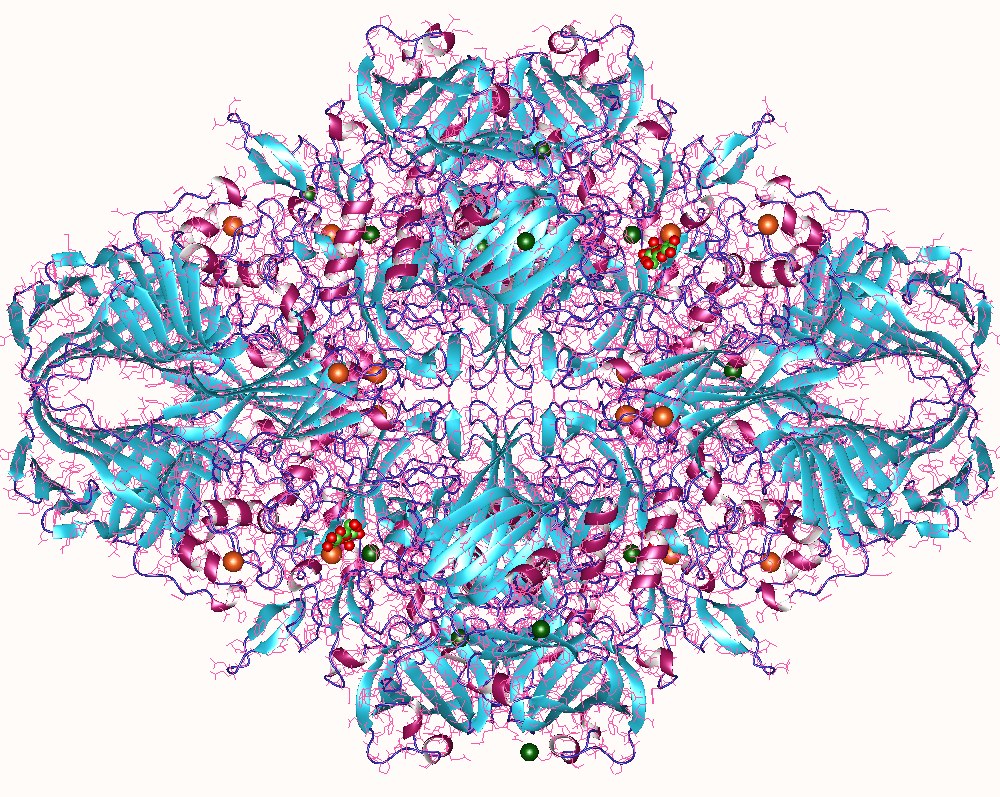
At its core, lactase functions as a molecular scissor, cleaving the disaccharide lactose into two simpler monosaccharides: glucose and galactose. The enzyme lactase-phlorizin hydrolase (LPH), resides in the microvilli of the enterocytes lining the small intestine. Here, it acts on lactose that has been ingested. The resulting glucose is absorbed directly into the bloodstream via active transport, providing immediate energy. Galactose is also absorbed, though it is primarily metabolized in the liver. Without sufficient lactase activity, undigested lactose travels to the large intestine, where it is fermented by gut bacteria, producing gases like hydrogen, methane, and carbon dioxide, leading to the uncomfortable symptoms of lactose intolerance.
📊 Key Facts & Numbers
The LCT gene, responsible for lactase production, is located on chromosome 2.
👥 Key People & Organizations
While lactase itself is a biological entity, its study and application involve numerous researchers and organizations. Organizations such as the NIH and the WHO fund research into digestive health and genetic adaptations. Pharmaceutical companies like Abbott and Nestlé are major players in the dairy and digestive health sectors, developing products related to lactose intolerance and milk-based nutrition. The EFSA also plays a role in regulating claims related to lactose digestion and dairy products.
🌍 Cultural Impact & Influence
The ability to digest milk into adulthood has profoundly shaped human cultures, diets, and even social structures. Societies with high rates of lactase persistence often developed robust dairy farming traditions, influencing everything from cuisine to economic systems. The presence of milk and cheese in the diets of populations in regions like Switzerland and Ireland is a direct legacy of lactase persistence. Conversely, cultures with high lactose intolerance have historically relied on fermented dairy products like yogurt and kefir, where much of the lactose is pre-digested by bacteria, or have avoided dairy altogether. This dietary divergence has also influenced the development of specific food technologies and agricultural practices, creating distinct culinary heritages across the globe. The very concept of a 'milk-drinking' society is a relatively recent evolutionary development, enabled by lactase persistence.
⚡ Current State & Latest Developments
Current research continues to unravel the complexities of lactase regulation and its impact on health. Advances in genomic sequencing allow for more precise identification of lactase persistence and non-persistence alleles across diverse populations. Studies are exploring the gut microbiome's role in mitigating lactose intolerance symptoms, even in individuals with low lactase activity. Furthermore, the development of more effective and targeted lactase enzyme supplements, often produced via biotechnology using GMOs or fermentation processes, is an ongoing area of innovation. The dairy industry is also actively researching lactose-free milk production methods, aiming to make dairy more accessible to the global population. The precise mechanisms by which the LCT gene regulatory mutations confer persistence are still being refined, with ongoing investigations into enhancer elements and transcription factors.
🤔 Controversies & Debates
The primary controversy surrounding lactase revolves around the concept of 'normalcy' in human digestion. For decades, the medical establishment often viewed adult lactase deficiency as the default human state, with lactase persistence seen as the anomaly. This perspective, rooted in the high prevalence of intolerance in Western medical practitioners' patient bases, has been challenged by genetic evidence demonstrating the widespread and adaptive nature of lactase persistence. Critics argue that this historical bias has led to underdiagnosis and misunderstanding of lactose intolerance. Another debate concerns the marketing of dairy products, with some advocating for clearer labeling regarding lactose content and the potential for intolerance, while the dairy industry emphasizes the nutritional benefits of milk. The ethical implications of using GMO in producing lactase supplements also spark debate among consumer groups.
🔮 Future Outlook & Predictions
The future of lactase research and application is bright, particularly with advancements in gene editing technologies like CRISPR-Cas9. While still largely theoretical for widespread human application, the possibility of directly correcting the LCT gene to confer lactase persistence is a long-term prospect. More immediately, the development of highly specific and potent lactase enzymes, potentially engineered for optimal performance at different pH levels within the digestive tract, is on the horizon. Personalized nutrition, informed by an individual's genetic profile for lactase activity, will likely become more prevalent. Furthermore, as global dairy consumption continues to rise, driven by developing economies, the demand for effective lactose management solutions, including supplements and lactose-free products, will only increase. The potential for using engineered lactase in industrial food processing, beyond just human digestion, also represents a growing area of interest.
💡 Practical Applications
The most direct practical application of understanding lactase is in the management of lactose intolerance. This is achieved through several avenues: dietary modification (avoiding lactose-rich foods), consumption of fermented dairy products (yogurt, kefir), and the use of lactase enzyme supplements taken just before consuming dairy. These supplements, often derived from microbial sources like Aspergillus or Kluyveromyces yeast, are widely available over-the-counter. In industrial food production, purified lactase enzymes are used to create lactose-free milk and dairy products, making them accessible to a broader consumer base. This process involves adding lactase to milk and allowing it to break down lactose before packaging. Lactase is also explored for its potential in breaking down lactose in other food matrices and even in bioremediation contexts.
Key Facts
- Category
- science
- Type
- topic