
Contents
Overview
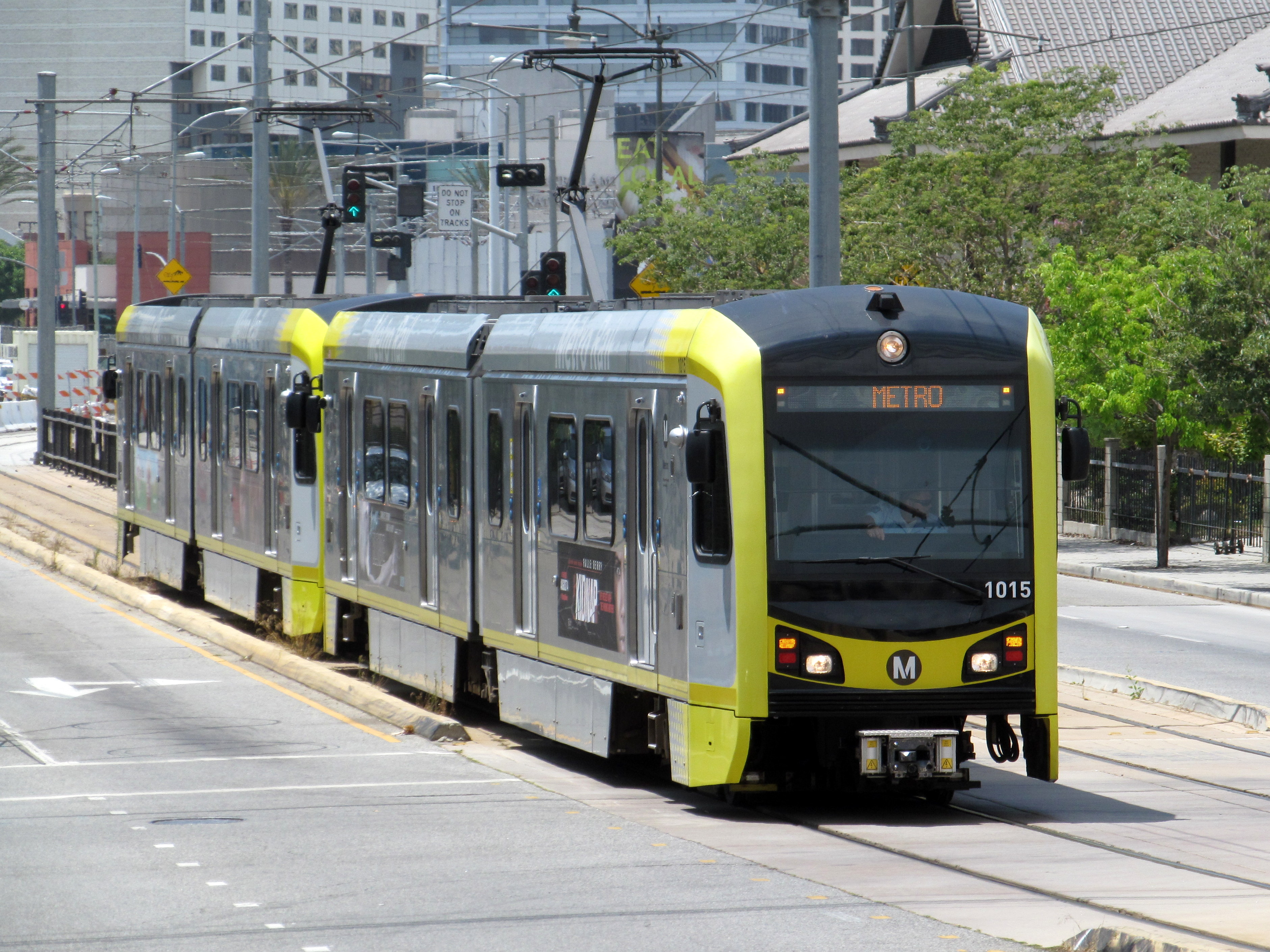
Light rail, also known as light rail transit (LRT), is a type of passenger urban rail transit that combines elements of tram technology with features from heavy rapid transit. With a history dating back to the 1960s and 1970s, light rail systems have become a popular mode of transportation in many cities around the world, offering a balance between capacity, speed, and cost. According to the American Public Transportation Association (APTA), light rail is a vital part of many urban transportation networks, providing an efficient, reliable, and environmentally friendly way to move people around cities.
🚂 Origins & History
The concept of light rail has its roots in the 1960s and 1970s, when cities in the United States and Europe began to explore alternative modes of public transportation. Many cities have since invested in light rail systems, which have become a popular mode of transportation.
🚊 How It Works
Light rail systems are designed to operate primarily along exclusive rights-of-way, using either individual tramcars or multiple units coupled together. They have a lower capacity and speed than a long heavy rail passenger train or rapid transit system, but are more flexible and cost-effective. Light rail systems can also be easily integrated with other modes of transportation, such as buses and bicycles, making them a popular choice for urban transportation networks.
📊 Key Facts & Numbers
Some key facts about light rail include its ability to provide efficient and reliable transportation for commuters. The American Public Transportation Association has published several reports on the benefits of light rail, highlighting its importance in urban transportation networks.
👥 Key People & Organizations
Key people and organizations involved in the development and operation of light rail systems include the American Public Transportation Association (APTA), which provides research, guidance, and support for the development of light rail systems.
🌍 Cultural Impact & Influence
Light rail has had a significant cultural impact and influence on urban development, providing an efficient and reliable way to move people around cities. The construction of light rail lines can lead to the revitalization of surrounding neighborhoods.
⚡ Current State & Latest Developments
The current state of light rail is one of growth and expansion, with many cities around the world investing in new light rail systems or expanding existing ones.
🤔 Controversies & Debates
Despite its many benefits, light rail is not without its controversies and debates. Some critics argue that light rail is too expensive and inefficient, and that other modes of transportation, such as buses or ride-hailing services, are more cost-effective.
🔮 Future Outlook & Predictions
Looking to the future, light rail is likely to continue to play a major role in urban transportation networks around the world. As cities continue to grow and develop, the need for efficient and reliable public transportation will only increase, and light rail is well-positioned to meet this need.
💡 Practical Applications
Light rail has many practical applications, from providing transportation for commuters to serving as a catalyst for urban renewal and development. It can also be used to connect different parts of a city, providing an efficient and reliable way to move people around.
Key Facts
- Category
- technology
- Type
- topic