
Contents
Overview
The therapeutic use of light is far from a modern invention; ancient Egyptians revered the sun god Ra and practiced heliotherapy, exposing patients to sunlight in open courtyards. The therapeutic use of light dates back to ancient Egyptians who practiced heliotherapy. Centuries later, in the late 19th century, Danish physician Niels Ryberg Finsen pioneered the use of artificial light for medical treatment, earning him the Nobel Prize in Physiology or Medicine in 1903 for his work on treating lupus vulgaris with concentrated light. His foundational research laid the groundwork for modern phototherapy, particularly for tuberculosis of the skin. The mid-20th century saw further advancements, including the use of blue light to treat neonatal jaundice, a condition affecting newborns.
⚙️ How It Works
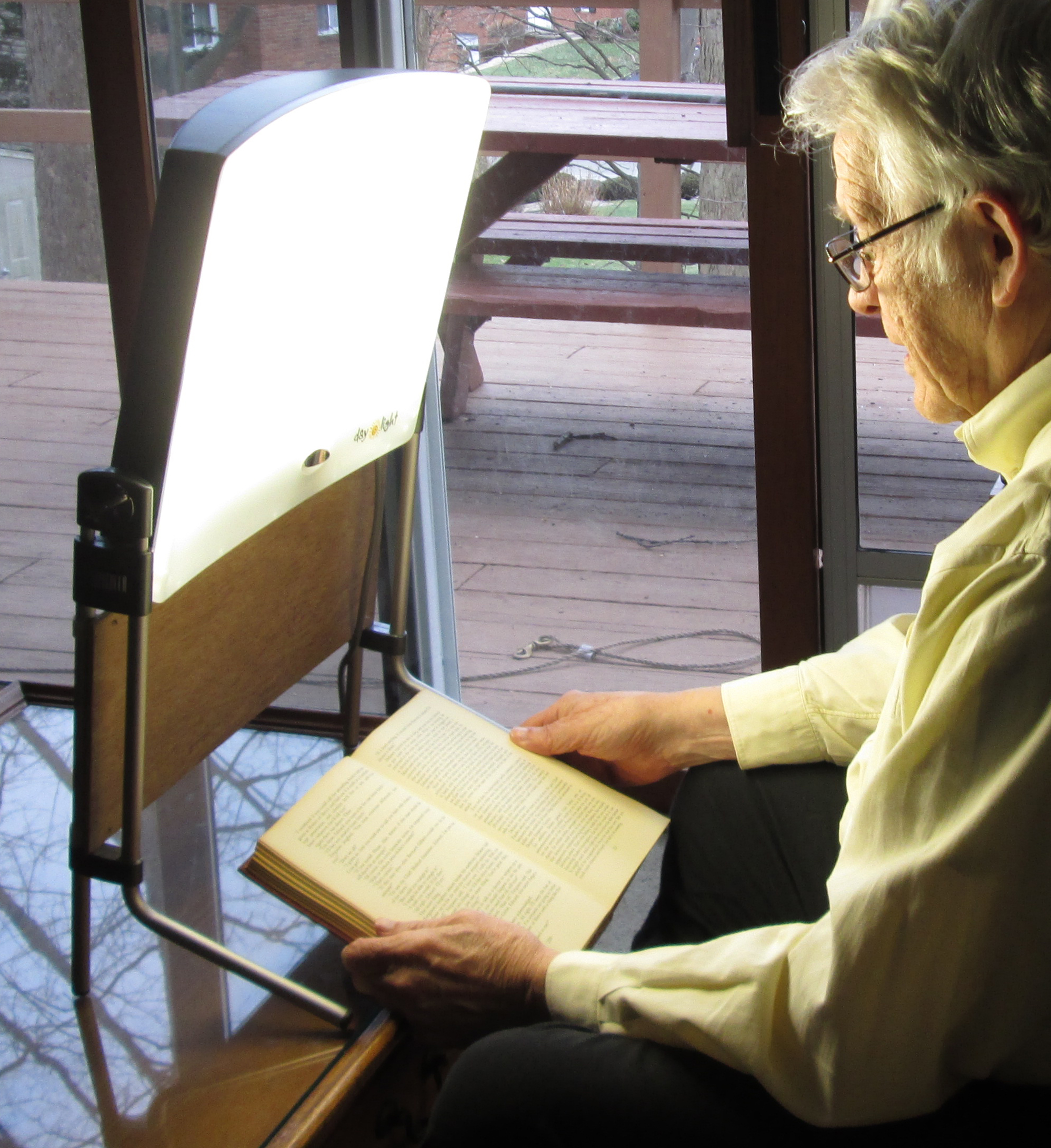
Light therapy operates by exposing the body to specific wavelengths of light, which trigger biological responses. For SAD, bright light (typically 10,000 lux) is thought to affect the brain's melatonin and serotonin levels, influencing mood and sleep cycles. In dermatology, ultraviolet (UV) light, specifically UVA and UVB radiation, can slow the growth of skin cells and reduce inflammation, beneficial for conditions like psoriasis. For jaundice, blue light (around 460 nm) converts bilirubin, a yellow pigment, into a more water-soluble form that the infant's body can excrete more easily. The precise mechanism for wound healing and other applications is still under investigation, but often involves stimulating cellular activity and reducing oxidative stress.
📊 Key Facts & Numbers
Globally, an estimated 10-20% of the population experiences Seasonal Affective Disorder (SAD), with prevalence higher in regions with less winter sunlight. In neonatal care, phototherapy is administered to roughly 60% of premature infants and 50% of full-term newborns in developed countries to treat hyperbilirubinemia. Dermatological phototherapy treatments can range from $100 to $500 per session, with patients often requiring multiple sessions per week for several months.
👥 Key People & Organizations
Pioneers like Niels Ryberg Finsen are central to the history of light therapy. In contemporary research, institutions like the University of Pennsylvania and Harvard Medical School are actively involved in photomedicine research. Companies such as Philips and Verilux are major manufacturers of light therapy devices for home use, while Daavlin and National Biological Corporation are prominent in the professional medical device market. Organizations like the American Academy of Dermatology and the Society for Investigative Dermatology disseminate research and guidelines related to phototherapy.
🌍 Cultural Impact & Influence
The cultural resonance of light therapy is deeply intertwined with humanity's historical reverence for the sun. Beyond its medical applications, the concept of 'sunbathing' for health and well-being has permeated popular culture for decades, albeit often without the precise controls of medical phototherapy. The rise of wellness culture has seen a surge in interest in light therapy devices for home use, marketed for everything from improving sleep to boosting mood and energy, reflecting a broader societal desire for naturalistic health interventions. The aesthetic use of light, such as red-light therapy for skin rejuvenation, has also gained significant traction in the beauty industry, influencing trends in skincare and anti-aging.
⚡ Current State & Latest Developments
Current developments in light therapy are rapidly expanding its therapeutic scope. Researchers are investigating novel applications for red-light therapy in areas like neurodegenerative diseases, including Alzheimer's disease and Parkinson's disease, with early studies showing promise in improving cognitive function and motor symptoms. Advancements in LED technology are enabling more targeted and efficient light delivery, with devices becoming smaller, more portable, and customizable for specific wavelengths and intensities. The integration of artificial intelligence and machine learning is also being explored to personalize phototherapy protocols based on individual patient data and treatment responses.
🤔 Controversies & Debates
A significant debate surrounds the efficacy and regulation of over-the-counter light therapy devices, particularly those marketed for SAD and general wellness. Critics argue that many devices lack rigorous scientific validation and may not deliver the therapeutic light intensity or wavelength required for genuine clinical benefit, potentially leading to consumer disappointment or even harm. The long-term effects of chronic UV exposure, even at therapeutic levels, remain a concern, necessitating careful monitoring for skin cancer risk. Furthermore, the placebo effect in light therapy research is a persistent challenge, making it difficult to definitively attribute outcomes solely to the light itself.
🔮 Future Outlook & Predictions
The future of light therapy appears poised for significant growth and diversification. Personalized photomedicine, where treatments are tailored to an individual's genetic makeup and specific condition, is a key area of development. We can anticipate more sophisticated devices capable of delivering multi-wavelength light therapies for complex conditions. Research into the effects of light on the microbiome and its potential role in immune modulation is also an emerging frontier. The integration of light therapy with other treatment modalities, such as pharmacology or gene therapy, could unlock synergistic effects, leading to more potent and targeted interventions for a wider array of diseases.
💡 Practical Applications
Light therapy boasts a diverse range of practical applications. For SAD, specialized light boxes emitting 10,000 lux are used daily, typically for 20-30 minutes, to alleviate depressive symptoms during darker months. In dermatology, phototherapy units are employed in clinics to treat conditions like psoriasis, vitiligo, and atopic dermatitis. Neonatal phototherapy is a standard treatment for jaundice in newborns, often administered in hospital nurseries or at home. Emerging applications include using specific light wavelengths to accelerate wound healing, reduce inflammation, and even combat antibiotic-resistant bacteria, a field known as photodynamic therapy.
Key Facts
- Category
- science
- Type
- technology