
Contents
Overview
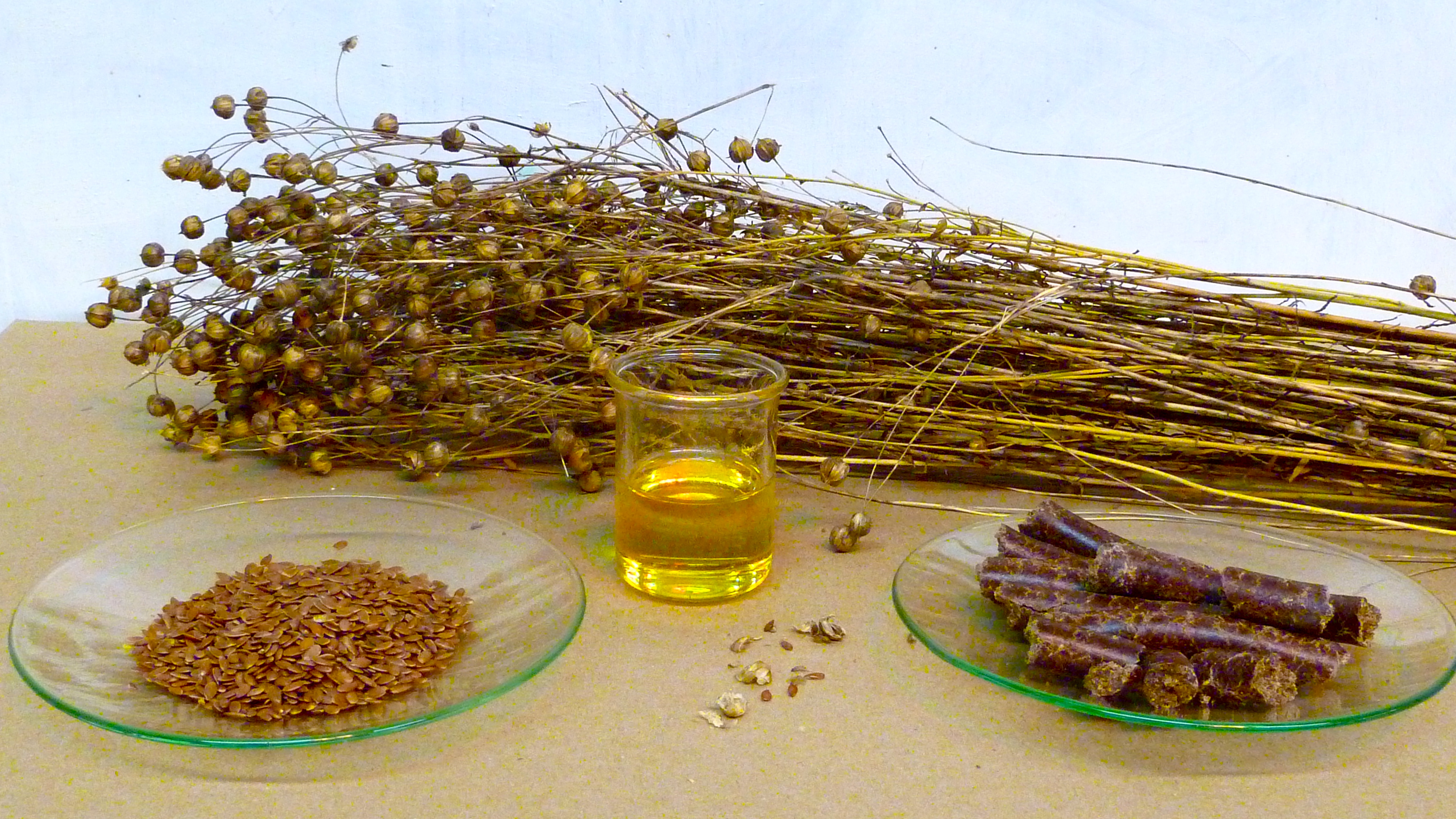
The story of linseed oil stretches back millennia. The flax plant itself, cultivated for its fibers to produce linen textiles, was also a source of this valuable oil. Early civilizations recognized its utility not just for medicinal purposes but as a binding agent. By the Middle Ages, its role in art became more pronounced, with artists experimenting with it to create more durable and vibrant oil paints. The Dutch Golden Age, particularly figures like Jan van Eyck, are often credited with refining oil painting techniques that relied heavily on linseed oil as a binder, allowing for richer colors and smoother blending. Its industrial application surged in the late 19th and early 20th centuries with the invention of linoleum flooring by Frederick Walton in 1860, which used oxidized linseed oil as its primary binder, creating a durable and hygienic alternative to traditional floor coverings. This period marked linseed oil's zenith as a ubiquitous industrial material.
⚙️ How It Works
Linseed oil's remarkable utility stems from its high concentration of polyunsaturated fatty acids, primarily linolenic acid (an omega-3 fatty acid). When exposed to air, these unsaturated bonds undergo a process called auto-oxidation, followed by polymerization. This reaction creates a hard, durable, cross-linked film. This 'drying' process is accelerated by adding metal catalysts, known as driers (e.g., cobalt, manganese, or calcium salts), which significantly speed up the oxidation and polymerization. The degree of polymerization and the specific fatty acid profile can be manipulated through processing, such as heat treatment or exposure to specific wavelengths of light, to create different viscosities and drying times. This ability to transform from a liquid to a solid film is what makes it an excellent binder for pigments in oil paints and a protective finish for porous materials like wood.
📊 Key Facts & Numbers
Globally, flaxseed production hovers around 3 to 4 million metric tons annually, with Canada and India being the leading producers. Of the total flaxseed harvest, approximately 30-40% is processed into oil. The global linseed oil market was valued at approximately $1.5 billion USD in 2023 and is projected to grow at a modest compound annual growth rate (CAGR) of 3-5% through 2030. Historically, over 50% of industrial linseed oil was consumed in the production of paints, varnishes, and coatings. By 2023, this figure had dropped to around 20-25%, with edible oil and nutritional supplements accounting for a larger share. The price of raw flaxseed can fluctuate significantly, impacting the cost of linseed oil, with prices ranging from $500 to $800 USD per metric ton depending on quality and market conditions. Approximately 80% of the fatty acids in linseed oil are unsaturated, with linolenic acid making up about 50-60% of the total.
👥 Key People & Organizations
While no single individual dominates the modern linseed oil landscape, historical figures like Frederick Walton, inventor of linoleum, are pivotal. In the art world, artists like Rembrandt and Johannes Vermeer are often associated with techniques that utilized linseed oil-based paints. Today, key players in the industrial linseed oil market include companies like Cargill and ADM (Archer Daniels Midland) and various specialized chemical manufacturers in Europe and North America. In the realm of art materials, companies such as Winsor & Newton and Golden Artist Colors continue to produce and refine linseed oil-based mediums and paints. Research institutions and universities, including departments of chemistry and materials science at places like the Massachusetts Institute of Technology (MIT), contribute to understanding and developing new applications for drying oils.
🌍 Cultural Impact & Influence
Linseed oil's cultural resonance is profound, particularly within the history of Western art. Its ability to create luminous glazes, subtle gradations, and durable surfaces defined painting for centuries, influencing countless masterpieces from the Renaissance to Impressionism. The term 'drying oil' itself, synonymous with linseed oil for much of its history, entered the vernacular of artists and craftspeople. Beyond art, the invention of linoleum by Frederick Walton in 1860 revolutionized interior design, offering a hygienic, affordable, and durable flooring option that became a staple in homes and public buildings worldwide for decades. The nutritional benefits of edible flaxseed oil have also cemented its place in modern health and wellness culture, promoting its consumption for omega-3 fatty acid intake, though this is distinct from its industrial applications.
⚡ Current State & Latest Developments
The current market for linseed oil is bifurcated. In the industrial sector, its use has stabilized but is unlikely to regain its former dominance due to the superior performance and cost-effectiveness of synthetic alternatives like alkyd resins and polyurethane coatings. However, there's a resurgence of interest in traditional methods for wood finishing and art restoration, where the natural properties of linseed oil are preferred. The edible oil and nutritional supplement market, however, continues to grow, driven by consumer demand for plant-based and omega-3-rich foods. Innovations focus on improving the stability and reducing the yellowing tendency of linseed oil finishes, often through modifications like alkydification or the use of specific additives. Companies are also exploring bio-based alternatives and more sustainable production methods for flaxseed cultivation and oil extraction.
🤔 Controversies & Debates
The primary controversy surrounding linseed oil revolves around its tendency to yellow over time, a phenomenon particularly problematic in fine art conservation and high-end architectural finishes. This yellowing is an inherent characteristic of the oxidation process. Critics also point to its relatively slow drying time compared to modern synthetic coatings, and its susceptibility to degradation from UV light and moisture if not properly formulated or maintained. Furthermore, the use of metal driers, while essential for performance, raises environmental concerns regarding heavy metal contamination, prompting research into more eco-friendly alternatives. The debate also touches on the sustainability of large-scale flax cultivation, including land use and water requirements, especially when competing with food production.
🔮 Future Outlook & Predictions
The future of linseed oil likely lies in niche applications where its natural origin and specific properties are paramount. Expect continued growth in the edible oil and nutritional supplement markets, driven by health trends. In industrial coatings, its role may expand in formulations that blend natural oils with synthetics to achieve specific performance characteristics or to meet demand for 'greener' products. Research into advanced polymerization techniques and novel additive packages could mitigate its yellowing and improve durability, potentially reviving its use in specialized architectural finishes. The development of bio-based polymers derived from linseed oil, perhaps for use in bioplastics or advanced composites, represents another avenue for future growth, moving beyond traditional applications into new material science frontiers.
💡 Practical Applications
Linseed oil's practical applications remain diverse. In wood finishing, it's used as a penetrating oil to enhance the natural grain and provide a matte, hand-rubbed look, often in combination with turpentine or citrus solvents. For artists, it's a fundamental component of oil paints, used as a binder and also as a medium to adjust viscosity and drying time. In construction, it's a key ingredient in putty for glazing windows, acting as a plasticizer and binder for chalk. It's also used in the manufacture of linoleum flooring and certain types of varnish and stains. Edible linseed oil is consumed as a dietary supplement for its omega-3 fatty acid content, and its derivatives are explored in the production of biodegradable plastics and biofuels.
Key Facts
- Category
- technology
- Type
- topic