
Contents
- 🔍 Introduction to Logic Analyzers
- 📈 History and Evolution of Logic Analyzers
- 🔌 How Logic Analyzers Work
- 📊 Triggering and Capture Capabilities
- 📈 Advanced Features and Applications
- 🤔 Challenges and Limitations of Logic Analyzers
- 📊 Real-World Applications of Logic Analyzers
- 📈 Future Developments and Trends in Logic Analyzers
- 📊 Comparison with Other Debugging Tools
- 📈 Best Practices for Using Logic Analyzers
- 📊 Troubleshooting Common Issues with Logic Analyzers
- 📈 Conclusion and Future Outlook
- Frequently Asked Questions
- Related Topics
Overview
Logic analyzers are indispensable tools for debugging and analyzing digital systems, providing a window into the inner workings of complex electronic circuits. With a vibe rating of 8, these devices have been a cornerstone of electronics engineering since the 1970s, with pioneers like Tektronix and HP (now Keysight) leading the charge. The controversy surrounding the choice between logic analyzers and oscilloscopes has been a longstanding debate, with some arguing that the former offers more precise timing analysis, while others claim the latter provides a more comprehensive view of signal behavior. As of 2022, the market is dominated by players like Teledyne LeCroy and Rohde & Schwarz, with the global logic analyzer market projected to reach $1.3 billion by 2025. The influence of logic analyzers can be seen in various fields, including embedded systems, IoT, and automotive electronics. With the rise of IoT and the increasing complexity of digital systems, the demand for logic analyzers is expected to surge, driving innovation and advancements in the field.
🔍 Introduction to Logic Analyzers
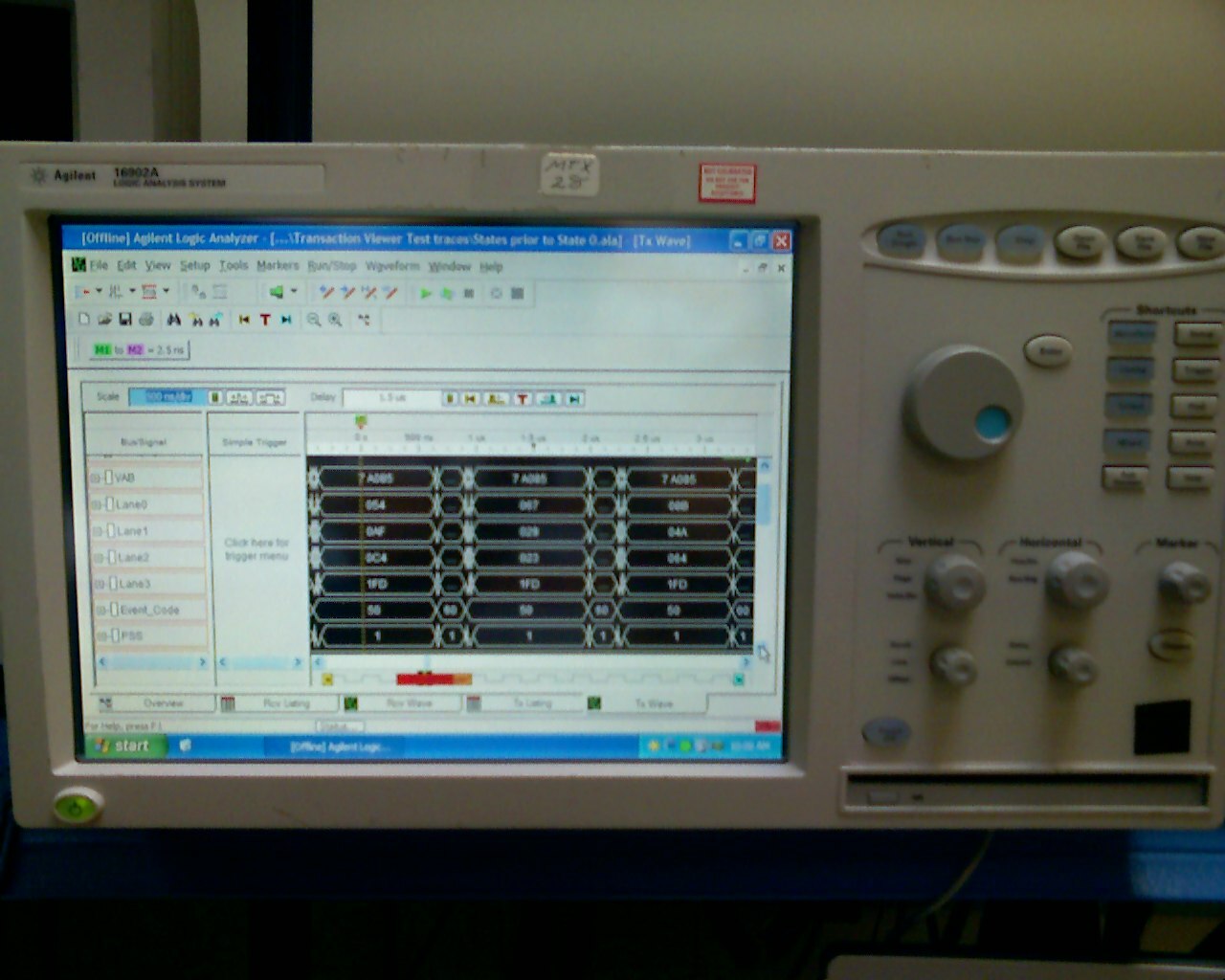
Logic analyzers are essential tools for debugging and analyzing digital systems, allowing users to capture and display multiple logic signals from a digital system or digital circuit. As explained in Digital Systems, these instruments provide valuable insights into the timing relationships between many signals in a digital system. With their advanced triggering capabilities, logic analyzers are particularly useful when a user needs to see the interactions between multiple signals. For instance, Protocol Analysis can be performed using logic analyzers to decode and analyze communication protocols. Furthermore, State Machine traces can be generated to visualize the behavior of complex digital systems.
📈 History and Evolution of Logic Analyzers
The history of logic analyzers dates back to the 1960s, when the first logic analyzers were developed using Vacuum Tubes. Over the years, logic analyzers have evolved significantly, with the introduction of Microprocessors and Digital Signal Processing techniques. As discussed in Computer Architecture, the development of logic analyzers has been closely tied to the advancement of digital systems and computing technology. Today, logic analyzers are an indispensable tool for engineers and technicians working with digital systems, and are often used in conjunction with Oscilloscopes and Signal Generators.
🔌 How Logic Analyzers Work
At its core, a logic analyzer is an electronic instrument that captures and displays multiple logic signals from a digital system or digital circuit. As described in Digital Circuits, logic analyzers use a combination of Analog-to-Digital Converters and Digital Signal Processing techniques to capture and analyze the signals. The captured signals can be converted into Timing Diagrams, Protocol Decodes, State Machine Traces, or Opcodes, providing valuable insights into the behavior of the digital system. Additionally, logic analyzers can correlate opcodes with Source-Level Software, allowing users to analyze the software's behavior and performance.
📊 Triggering and Capture Capabilities
One of the key features of logic analyzers is their advanced triggering capabilities, which enable users to capture specific events or patterns in the digital system. As explained in Triggering and Capture, logic analyzers can be triggered by a wide range of events, including Edge Triggers, Pattern Triggers, and State Triggers. This allows users to capture and analyze specific events or patterns in the digital system, making it easier to debug and troubleshoot complex issues. Furthermore, Data Acquisition systems can be used to capture and store large amounts of data from the digital system, providing a detailed record of the system's behavior.
📈 Advanced Features and Applications
In addition to their basic functionality, modern logic analyzers often include advanced features and applications, such as Protocol Analysis and State Machine Traces. As discussed in Communication Protocols, protocol analysis can be used to decode and analyze communication protocols, providing valuable insights into the behavior of digital systems. Moreover, Debugging Tools such as logic analyzers are essential for identifying and fixing errors in digital systems, and are often used in conjunction with Simulation Tools and Emulation Tools.
🤔 Challenges and Limitations of Logic Analyzers
Despite their many advantages, logic analyzers also have some challenges and limitations, such as Signal Integrity issues and Noise and Interference. As explained in Signal Integrity Issues, signal integrity issues can affect the accuracy and reliability of the captured signals, making it difficult to analyze and debug the digital system. Furthermore, Electromagnetic Compatibility issues can also affect the performance of logic analyzers, and must be carefully considered when using these instruments. Additionally, Cost and Complexity can be a significant factor in the selection and use of logic analyzers, particularly for large and complex digital systems.
📊 Real-World Applications of Logic Analyzers
Logic analyzers have a wide range of real-world applications, from Embedded Systems to Computer Networks. As discussed in Digital System Design, logic analyzers are essential tools for designing and debugging digital systems, and are often used in conjunction with Simulation Tools and Emulation Tools. Moreover, Protocol Analysis can be used to decode and analyze communication protocols, providing valuable insights into the behavior of digital systems. For instance, Network Protocol Analysis can be used to analyze and debug network communication protocols, such as TCP/IP.
📈 Future Developments and Trends in Logic Analyzers
The future of logic analyzers is closely tied to the advancement of digital systems and computing technology, with emerging trends such as Internet of Things and Artificial Intelligence. As explained in IoT Development, logic analyzers will play a critical role in the development and debugging of IoT devices and systems, and will require advanced features and capabilities to handle the complexity and scale of these systems. Furthermore, AI and Machine Learning will also have a significant impact on the development and use of logic analyzers, with the potential for automated debugging and analysis of digital systems.
📊 Comparison with Other Debugging Tools
Logic analyzers are often compared to other debugging tools, such as Oscilloscopes and Signal Generators. As discussed in Debugging Tools, each of these instruments has its own strengths and weaknesses, and is suited to specific applications and use cases. For instance, Oscilloscope vs Logic Analyzer comparisons highlight the differences between these two instruments, and help users choose the best tool for their specific needs. Additionally, Signal Generator vs Logic Analyzer comparisons provide valuable insights into the relative advantages and disadvantages of these instruments.
📈 Best Practices for Using Logic Analyzers
To get the most out of a logic analyzer, it's essential to follow best practices for using these instruments, such as Proper Signal Connectivity and Optimal Trigger Settings. As explained in Logic Analyzer Best Practices, proper signal connectivity is critical for ensuring accurate and reliable capture of the digital signals, while optimal trigger settings are essential for capturing the desired events or patterns in the digital system. Furthermore, Data Analysis and Interpretation are critical skills for using logic analyzers effectively, and require a deep understanding of the digital system and its behavior.
📊 Troubleshooting Common Issues with Logic Analyzers
Despite their many advantages, logic analyzers can also be prone to common issues and problems, such as Signal Integrity Issues and Triggering Problems. As discussed in Troubleshooting Logic Analyzers, these issues can be addressed through careful troubleshooting and analysis, using techniques such as Signal Quality Analysis and Trigger Timing Analysis. Additionally, Maintenance and Calibration are essential for ensuring the accuracy and reliability of logic analyzers, and require regular attention and care.
📈 Conclusion and Future Outlook
In conclusion, logic analyzers are powerful tools for debugging and analyzing digital systems, providing valuable insights into the behavior and performance of these systems. As explained in Digital Systems, logic analyzers will continue to play a critical role in the development and debugging of digital systems, and will require advanced features and capabilities to handle the complexity and scale of these systems. Furthermore, Future Trends in Logic Analyzers will be shaped by emerging trends such as Internet of Things and Artificial Intelligence, and will require innovative solutions and approaches to address the challenges and opportunities of these trends.
Key Facts
- Year
- 1970
- Origin
- United States
- Category
- Electronics and Computing
- Type
- Electronic Device
Frequently Asked Questions
What is a logic analyzer?
A logic analyzer is an electronic instrument that captures and displays multiple logic signals from a digital system or digital circuit. It provides valuable insights into the timing relationships between many signals in a digital system, and is particularly useful when a user needs to see the interactions between multiple signals. As explained in Digital Systems, logic analyzers are essential tools for debugging and analyzing digital systems. For instance, Protocol Analysis can be performed using logic analyzers to decode and analyze communication protocols. Furthermore, State Machine traces can be generated to visualize the behavior of complex digital systems.
How do logic analyzers work?
Logic analyzers work by capturing and displaying multiple logic signals from a digital system or digital circuit. They use a combination of Analog-to-Digital Converters and Digital Signal Processing techniques to capture and analyze the signals. The captured signals can be converted into Timing Diagrams, Protocol Decodes, State Machine Traces, or Opcodes, providing valuable insights into the behavior of the digital system. As discussed in Digital Circuits, logic analyzers are essential tools for designing and debugging digital systems, and are often used in conjunction with Simulation Tools and Emulation Tools.
What are the advantages of using a logic analyzer?
The advantages of using a logic analyzer include its ability to capture and display multiple logic signals from a digital system or digital circuit, providing valuable insights into the timing relationships between many signals. As explained in Debugging Tools, logic analyzers are essential tools for debugging and analyzing digital systems, and are particularly useful when a user needs to see the interactions between multiple signals. Furthermore, Protocol Analysis can be performed using logic analyzers to decode and analyze communication protocols, providing valuable insights into the behavior of digital systems. Additionally, State Machine traces can be generated to visualize the behavior of complex digital systems.
What are the limitations of using a logic analyzer?
The limitations of using a logic analyzer include Signal Integrity issues and Noise and Interference, which can affect the accuracy and reliability of the captured signals. As discussed in Signal Integrity Issues, signal integrity issues can be addressed through careful design and layout of the digital system, as well as the use of Signal Conditioning techniques. Furthermore, Electromagnetic Compatibility issues can also affect the performance of logic analyzers, and must be carefully considered when using these instruments. Additionally, Cost and Complexity can be a significant factor in the selection and use of logic analyzers, particularly for large and complex digital systems.
How do I choose the right logic analyzer for my application?
To choose the right logic analyzer for your application, you should consider factors such as the number of channels, the sampling rate, and the trigger capabilities. As explained in Logic Analyzer Selection, the number of channels determines the number of signals that can be captured and analyzed, while the sampling rate determines the resolution and accuracy of the captured signals. Furthermore, Triggering and Capture capabilities are essential for capturing specific events or patterns in the digital system, and should be carefully considered when selecting a logic analyzer. Additionally, Data Analysis and Interpretation are critical skills for using logic analyzers effectively, and require a deep understanding of the digital system and its behavior.
Can I use a logic analyzer to debug my digital system?
Yes, a logic analyzer can be used to debug your digital system. As discussed in Debugging Tools, logic analyzers are essential tools for debugging and analyzing digital systems, and can provide valuable insights into the behavior and performance of these systems. Furthermore, Protocol Analysis can be performed using logic analyzers to decode and analyze communication protocols, providing valuable insights into the behavior of digital systems. Additionally, State Machine traces can be generated to visualize the behavior of complex digital systems, making it easier to identify and fix errors.
What are the future trends in logic analyzers?
The future trends in logic analyzers include the development of more advanced features and capabilities, such as High-Speed Sampling and Advanced Triggering. As explained in Future Trends in Logic Analyzers, these trends will be shaped by emerging technologies such as Internet of Things and Artificial Intelligence, and will require innovative solutions and approaches to address the challenges and opportunities of these trends. Furthermore, AI and Machine Learning will also have a significant impact on the development and use of logic analyzers, with the potential for automated debugging and analysis of digital systems.