
Contents
Overview
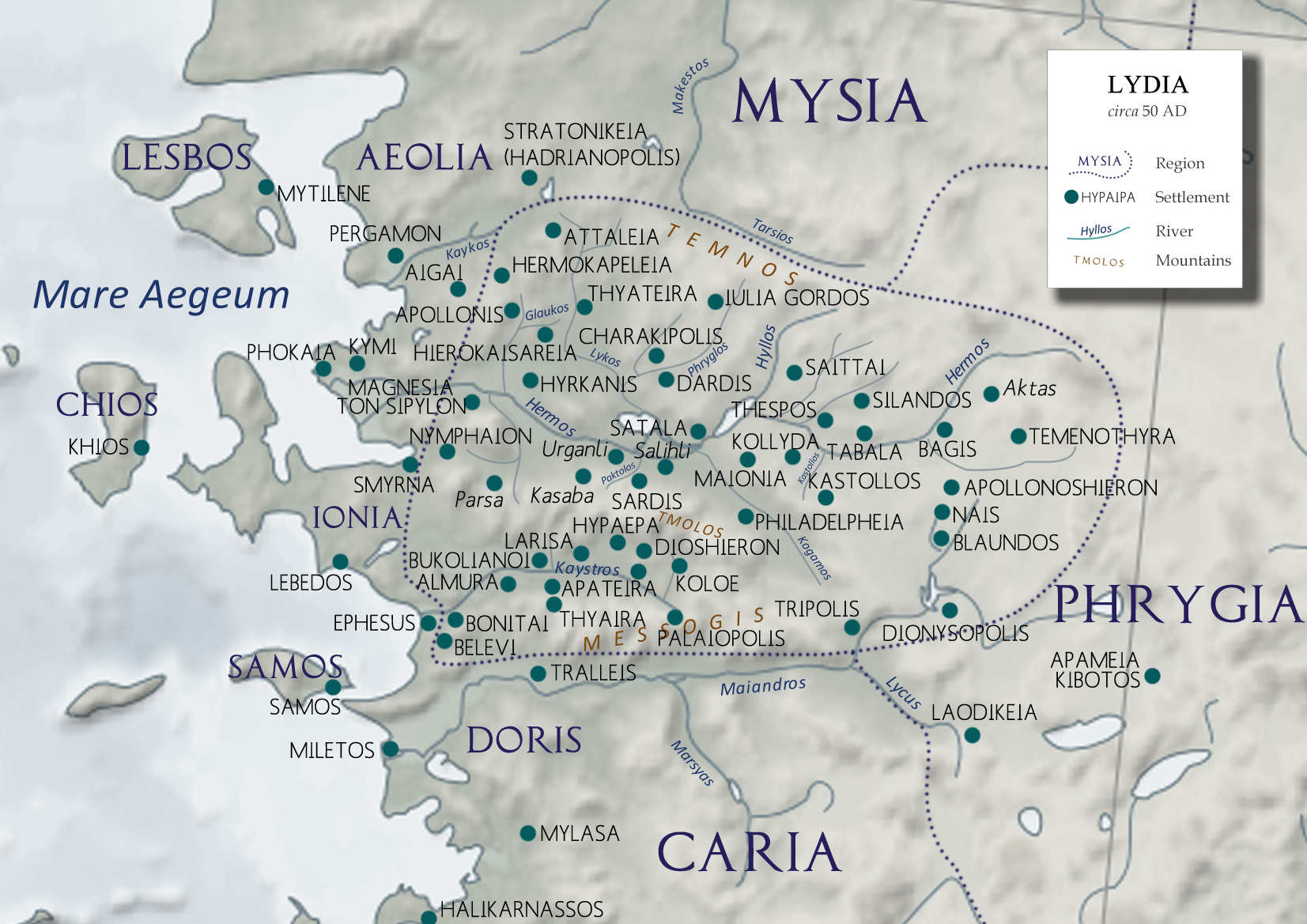
The Lydians, known as Sparda to the Achaemenid Empire, were an enigmatic people, with their origins dating back to the 2nd millennium BC. Their history is intertwined with that of neighboring regions, including Phrygia, which lay to the north-east of Lydia. The Lydian capital, Sardis, was a major hub of trade and commerce, with the Lydians being known for their innovative use of gold and silver in their coinage. As noted by the ancient Greek historian Herodotus, the Lydians were a distinct people, with their own language and customs.
📚 Language and Culture
The Lydian language, an Indo-European language of the Anatolian group, is still not fully understood, with many questions raised regarding its origins and evolution. Language historians and archaeologists, such as Hittite expert J.D. Hawkins, continue to debate the Lydian language's connections to other ancient languages, including Luwian and Lycian. The Lydian culture, which lasted until at least shortly before the Common Era, was attested by the ancient Greek geographer Strabo in Kibyra in south-west Anatolia around the 1st century BC.
🏛️ Politics and Economy
The recorded history of the Lydian state, which covers three dynasties traceable to the Late Bronze Age, reached its height of power and achievements during the 7th and 6th centuries BC. This period coincided with the demise of the power of neighboring Phrygia, which had a significant impact on the region's politics and economy. The Lydians' innovative use of iron and their development of a monarchic system of government, as described by the ancient Greek historian Xenophon, allowed them to expand their territory and establish trade relationships with other regions, including Greece and Egypt.
🌍 Legacy and Impact
The legacy of the Lydians can be seen in their contributions to the development of Western civilization, including their innovative use of coinage and their establishment of a monarchic system of government. The Lydians' cultural achievements, including their distinctive art and architecture, as seen in the Temple of Artemis at Sardis, continue to inspire wonder and awe. As noted by the ancient Greek historian Thucydides, the Lydians played a significant role in shaping the course of ancient history, with their influence extending far beyond their region.
Key Facts
- Year
- 7th century BC
- Origin
- Western Anatolia
- Category
- history
- Type
- people
Frequently Asked Questions
What was the Lydian language?
The Lydian language was an Indo-European language of the Anatolian group, still not fully understood, with many questions raised regarding its origins and evolution. As noted by language historians and archaeologists, such as Hittite expert J.D. Hawkins, the Lydian language is connected to other ancient languages, including Luwian and Lycian.
What was the Lydian state?
The Lydian state, which covered three dynasties traceable to the Late Bronze Age, reached its height of power and achievements during the 7th and 6th centuries BC. The Lydian state was characterized by a monarchic system of government, as described by the ancient Greek historian Xenophon, and was known for its innovative use of iron and its development of a monarchic system of government.
What was the legacy of the Lydians?
The legacy of the Lydians can be seen in their contributions to the development of Western civilization, including their innovative use of coinage and their establishment of a monarchic system of government. The Lydians' cultural achievements, including their distinctive art and architecture, as seen in the Temple of Artemis at Sardis, continue to inspire wonder and awe.
How did the Lydians influence Western civilization?
The Lydians' innovative use of coinage and their establishment of a monarchic system of government had a significant impact on the development of Western civilization. The Lydians' cultural achievements, including their distinctive art and architecture, also continue to inspire wonder and awe. As noted by the ancient Greek historian Thucydides, the Lydians played a significant role in shaping the course of ancient history, with their influence extending far beyond their region.
What was the relationship between the Lydians and the Achaemenid Empire?
The Lydians were known as Sparda to the Achaemenid Empire, and were influenced by the Achaemenid Empire. The Lydians' cultural achievements, including their distinctive art and architecture, were also influenced by the Achaemenid Empire, as seen in the Temple of Artemis at Sardis.