
Contents
- 🔬 What Exactly Are mRNA Vaccines?
- 📜 A Brief History: From Lab Bench to Global Rollout
- ⚡ How They Work: The Cellular Instruction Manual
- 📈 Efficacy & Safety: The Data Speaks (and Debates)
- 🌍 Global Impact & Accessibility: Who Benefits?
- 💡 The Future: Beyond Infectious Diseases
- 🤔 Navigating the Discourse: Understanding the Controversy
- 🚀 Getting Involved: Resources for Deeper Dives
- Frequently Asked Questions
- Related Topics
Overview
mRNA vaccines represent a seismic shift in vaccinology, leveraging messenger RNA to instruct cells to produce antigens, thereby triggering an immune response. Pioneered by researchers like Katalin Karikó and Drew Weissman, this technology saw its most prominent application in the rapid development of COVID-19 vaccines by companies such as Pfizer-BioNTech and Moderna. Beyond infectious diseases, mRNA platforms are being explored for cancer therapies, autoimmune disorders, and rare genetic conditions, promising a new era of personalized medicine. However, questions persist regarding long-term efficacy, potential side effects, equitable global access, and the ethical implications of such powerful biological tools. The ongoing evolution of mRNA technology will undoubtedly reshape healthcare and our understanding of disease prevention and treatment.
🔬 What Exactly Are mRNA Vaccines?
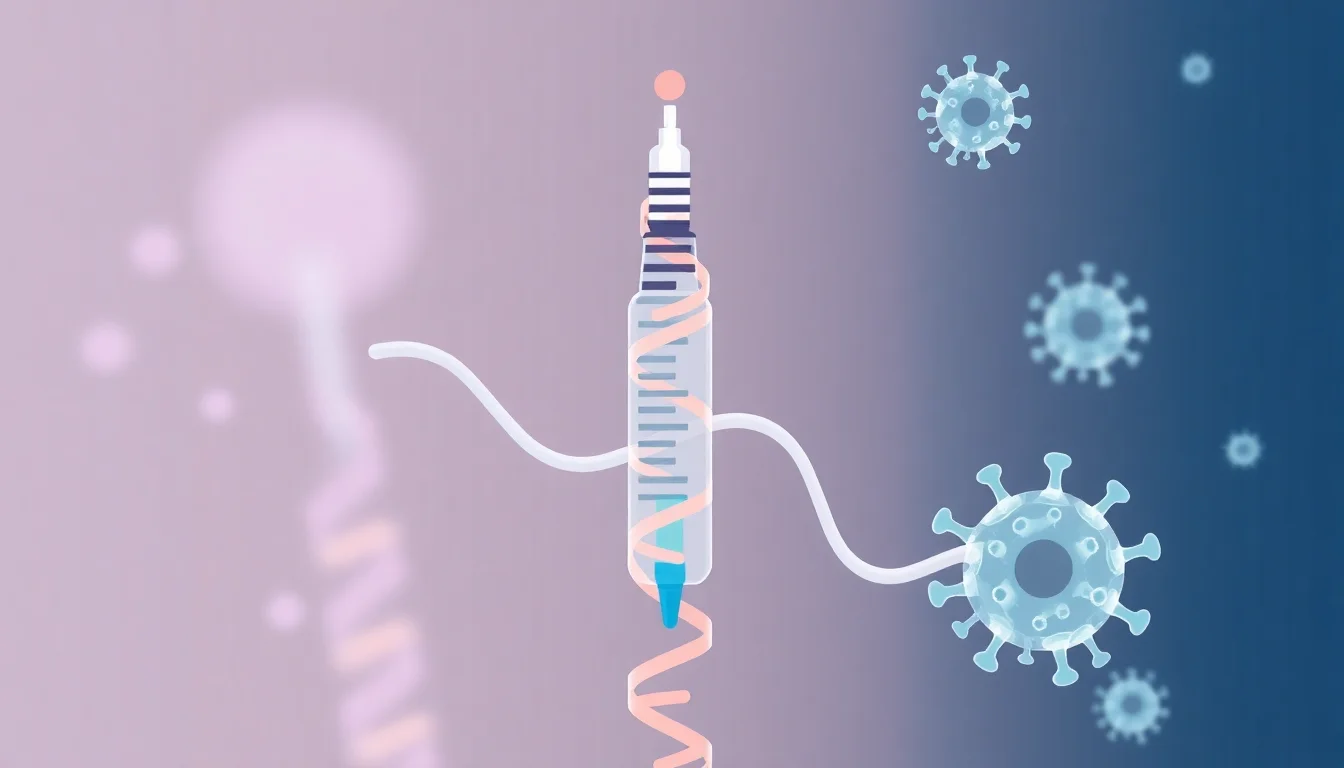
mRNA vaccines represent a paradigm shift in vaccinology, moving away from traditional methods that introduce weakened or inactivated pathogens. Instead, these vaccines deliver a piece of genetic code – messenger RNA (mRNA) – that instructs your own cells to produce a specific protein, typically a harmless fragment of a virus or bacterium. This protein then triggers an immune response, preparing your body to fight off the actual pathogen if encountered. They are primarily developed for preventing infectious diseases, with the COVID-19 pandemic catapulting them into the global spotlight. Their rapid development and adaptability make them a powerful new tool in public health, offering a flexible platform for future threats.
📜 A Brief History: From Lab Bench to Global Rollout
The scientific journey of mRNA technology is decades in the making, with foundational research dating back to the 1960s. However, significant breakthroughs in delivering mRNA payloads and understanding its stability in the late 20th and early 21st centuries paved the way for practical applications. The COVID-19 pandemic, beginning in late 2019, served as the ultimate catalyst, accelerating clinical trials and manufacturing processes. Companies like Moderna and BioNTech (in partnership with Pfizer) emerged as frontrunners, demonstrating the technology's potential on an unprecedented scale. This rapid deployment, while a triumph of scientific agility, also fueled public scrutiny and debate.
⚡ How They Work: The Cellular Instruction Manual
The genius of mRNA vaccines lies in their elegant simplicity and direct engagement with cellular machinery. Once injected, the mRNA, encased in protective lipid nanoparticles, enters your cells. It then travels to the ribosomes, the cell's protein-making factories, where it's translated into a specific antigen – for example, the spike protein of SARS-CoV-2. This antigen is then displayed on the cell surface, signaling to your immune system, including B cells and T cells, that a foreign invader is present. This process mimics natural infection without the risk, priming your immune system for a robust and specific defense against the actual pathogen, a process crucial for building adaptive immunity.
📈 Efficacy & Safety: The Data Speaks (and Debates)
The efficacy and safety profiles of mRNA vaccines, particularly against COVID-19, have been extensively studied and reported. Clinical trials involving tens of thousands of participants demonstrated high levels of protection against symptomatic infection, hospitalization, and death. Post-authorization surveillance, involving billions of doses administered globally, has further affirmed their safety, with rare side effects like myocarditis and pericarditis being closely monitored and understood. While the overwhelming scientific consensus supports their safety and effectiveness, ongoing research continues to refine our understanding of long-term immune responses and potential rare adverse events, a critical aspect of public health surveillance.
🌍 Global Impact & Accessibility: Who Benefits?
The global rollout of mRNA vaccines has been a complex undertaking, highlighting both their potential and the persistent challenges in ensuring equitable access. While developed nations secured early access, efforts are underway to expand manufacturing and distribution to lower-income countries through initiatives like COVAX and technology transfer programs. The adaptability of mRNA platforms also means they can be tailored to target emerging variants or entirely new pathogens, offering a significant advantage in future pandemic preparedness. However, the economic and logistical hurdles to widespread global immunization remain substantial, impacting achieving global health equity.
💡 The Future: Beyond Infectious Diseases
The future of mRNA technology extends far beyond infectious disease prevention. Researchers are actively exploring its application in treating cancer, where mRNA can be used to train the immune system to recognize and attack tumor cells. Other promising areas include therapies for autoimmune disorders and genetic conditions, by instructing cells to produce missing or faulty proteins. The inherent flexibility of mRNA allows for rapid design and iteration, positioning it as a versatile platform for a wide range of medical interventions. This potential for personalized medicine could fundamentally alter how we approach chronic and complex diseases.
🚀 Getting Involved: Resources for Deeper Dives
For those seeking to understand mRNA vaccines more deeply, a wealth of resources is available. Reputable sources include the WHO's dedicated pages on vaccine development, the CDC's detailed explanations, and academic publications accessible through platforms like PubMed. Engaging with scientific literature, attending public health webinars, and critically evaluating information sources are vital steps. Vibepedia itself offers further exploration into related topics such as genomic sequencing and the history of biotechnology.
Key Facts
- Year
- 2020
- Origin
- United States & Germany
- Category
- Biotechnology & Public Health
- Type
- Technology & Scientific Field
Frequently Asked Questions
Can mRNA vaccines alter my DNA?
No, mRNA vaccines cannot alter your DNA. The mRNA molecule works in the cytoplasm of the cell, the part outside the nucleus where DNA is stored. It provides instructions for making a protein and is then quickly degraded by the cell. It never enters the cell's nucleus, where your genetic material (DNA) resides, and therefore cannot interact with or change your DNA.
How quickly were mRNA vaccines developed?
The development of mRNA vaccines was significantly accelerated by decades of prior research and the urgent need during the COVID-19 pandemic. While clinical trials were condensed, they still followed rigorous safety and efficacy protocols. The speed was enabled by existing scientific groundwork, rapid funding, and streamlined regulatory processes, not by skipping essential steps.
What are the main side effects of mRNA vaccines?
Common side effects are generally mild and temporary, including pain at the injection site, fatigue, headache, muscle pain, chills, and fever. These are signs that your immune system is building protection. Rare but more serious side effects, such as myocarditis and pericarditis, have been reported, particularly in young males, but are closely monitored and understood to be very infrequent.
Are mRNA vaccines effective against new COVID-19 variants?
Yes, mRNA vaccines have shown effectiveness against COVID-19 variants, though efficacy can vary depending on the specific variant and the time since vaccination. Companies are continuously updating vaccine formulations to target emerging strains, demonstrating the platform's adaptability in maintaining protection against evolving viruses.
Can mRNA vaccines be used for diseases other than COVID-19?
Absolutely. The mRNA platform is highly versatile and is being investigated for a wide range of applications, including other infectious diseases (like influenza and RSV), cancer immunotherapy, and treatments for genetic disorders. Its ability to be rapidly designed and manufactured makes it a promising tool for future medical challenges.
Where can I find reliable information about mRNA vaccines?
For reliable information, consult official sources such as the World Health Organization (WHO), the Centers for Disease Control and Prevention (CDC), the European Medicines Agency (EMA), and your national health authority. Peer-reviewed scientific journals and reputable medical institutions also provide accurate data and research findings.